
.png)
In the wake of another high-octane Milan Design Week, we asked a selection of our AD100 designers which pieces actually possess the gravity to stay. These are the objects that have transcended the cycle of trends – pieces they return to for their soul, their logic, or their lived-in charm. Where the new is constantly clamouring for attention, there is a certain power in looking backward. Beyond the ephemeral thrill of the latest installations, these are the icons that don’t just fill a room, but have the power to anchor a life, for life.
Omar Al Gurg – ‘Schreiberling’ by Montblanc & Wes Anderson, 2025
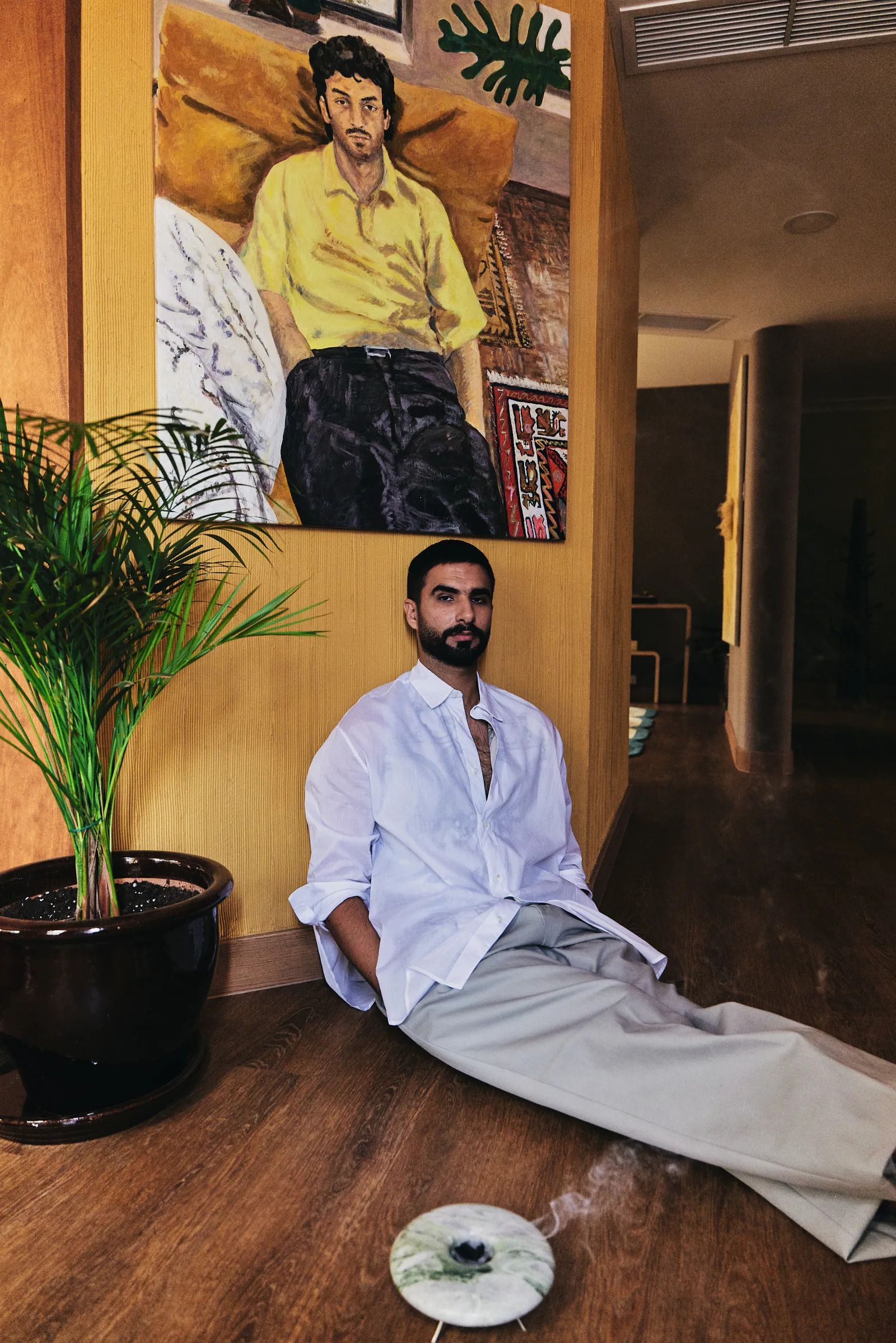
For AD100 designer Omar Al Gurg, an unassuming tool makes an enduring mark. This belief in the power of the modest finds physical form in Montblanc’s ‘Schreiberling’ Limited Edition 1969 Fountain Pen, a "storybook-retro" collaboration with filmmaker Wes Anderson. It reimagines Montblanc’s historic 1920s “Baby” silhouettes, mirroring Al Gurg’s own knack for blending nostalgia with a sharp, contemporary relevance.
His definition of a classic centres on this evolution: the idea that an object only becomes timeless once it has been handled, personalised, and integrated into a life. This ethos extends to the rest of his "forever" list: the LC4 chaise longue, which he prizes as a "nap-worthy" staple during Dubai’s golden hour, and Brionvega’s Radiofonografo, admired for its theatrical, almost sentient presence.
This idea of the “object as character” sits at the core of Al Gurg’s own work. His Spike coat hanger is treated less like furniture and more like a companion. Sculptural yet unpretentious, Spike is designed to "look fun when he’s cluttered," evolving from a sideline piece to a bold statement depending on how he’s dressed. It exemplifies Al Gurg's belief in building interactive elements to create a more joyful way of living. It is this emotional bridge, where function meets a distinct personality, that allows an object to truly endure.
Nada Debs – Tolomeo Lamp by Michele De Lucchi & Giancarlo Fassina for Artemide, 1987
.jpg)
For one of our AD100 designers Nada Debs, timelessness is found in quiet adaptability, objects that integrate into the rhythm of daily life while retaining a warmth and structural clarity. Her touchstone for this balance is Artemide’s Tolomeo lamp. Designed by Michele De Lucchi and Giancarlo Fassina in 1987, it remains a benchmark of contemporary lighting, lauded for the mechanical transparency of its adjustable arm.
“There’s something very honest about it,” Debs says. “Nothing is hidden; you can see exactly how it works, yet the light it casts is soft and calm.” It is this equilibrium between the technical and the atmospheric that she frequently invites into her own interiors. To Debs, the lamp’s enduring appeal isn't just its look, but its intuition, almost as if it is finding its own place in the room.
“For me, it’s pieces that can adapt,” she explains. “They don’t impose; they simply fit into life, spaces, and time.” This same sensibility can be seen throughout her own portfolio, most notably her Pebble Table. Conceived as a modular system rather than a static form, the piece resists rigidity. Much like the Tolomeo, its longevity is grounded in flexibility: “It doesn’t dictate how you use it,” she notes. “The option to evolve the design over time makes it feel alive.”
Riyad Joucka – Nesso Lamp by Giancarlo Mattioli & Gruppo Architetti Urbanisti Città Nuova for Artemide, 1967
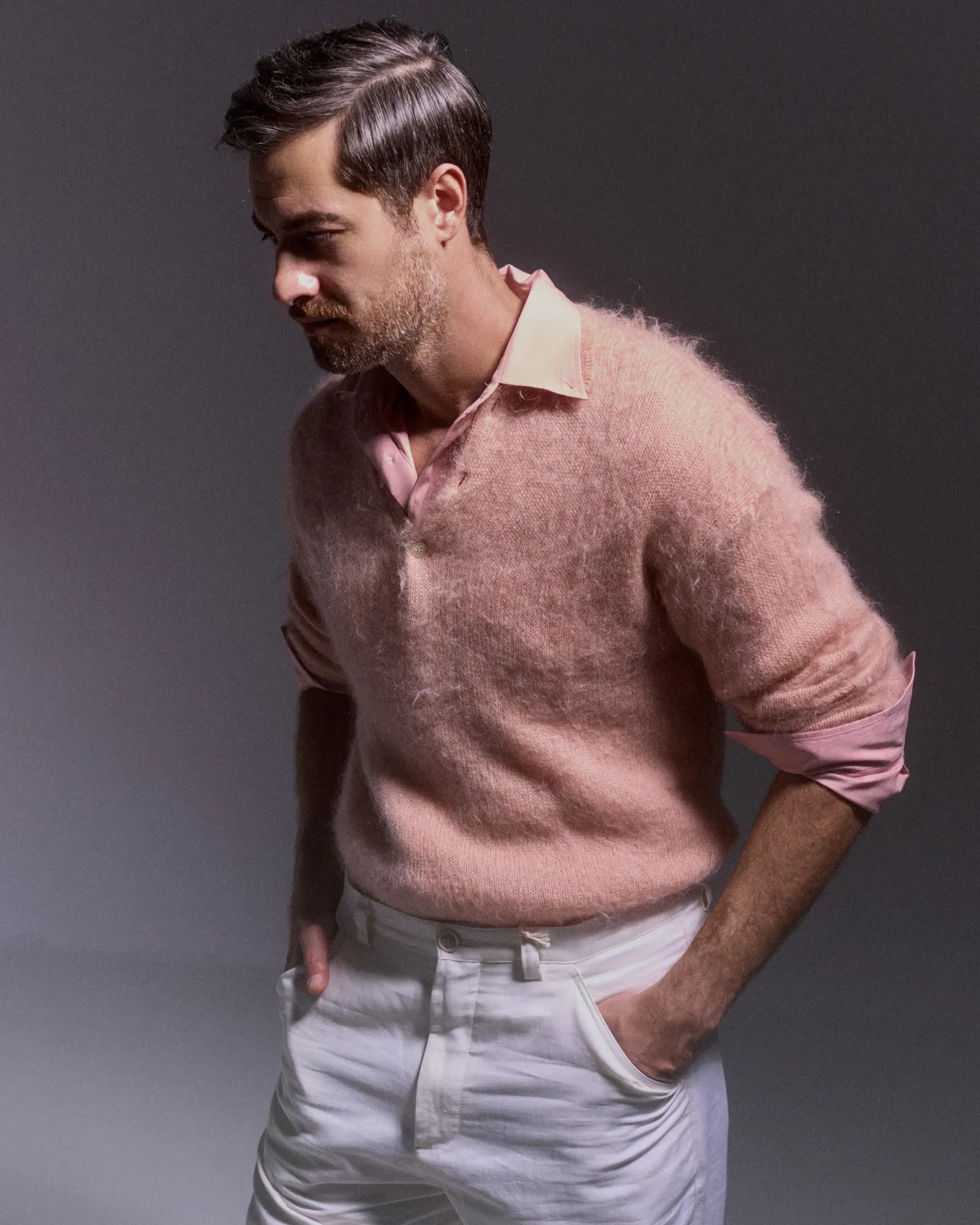
Artemide’s Nesso lamp is a glowing manifesto of the Space Age, and for architect Riyad Joucka, it remains a lasting fascination. Designed in 1967 by Giancarlo Mattioli and the Gruppo Architetti Urbanisti Città Nuova, its injection-moulded thermoplastic body was a radical shift that revolutionised how light could be shaped and experienced. The resulting "mushroom" silhouette, now a permanent fixture in the MoMA, continues to appear across contemporary interiors and social media feeds alike.
“It is a powerful example of how fabrication innovation can open up entirely new forms, effects, and atmospheres,” Joucka explains. “Its moulded plastic body may feel familiar today, but at the time, it represented a new freedom.” This fascination with retro-futurism runs through his own practice, notably in the 3D-printed, wave-like Mawj Chair. Whether he is citing the modular precision of USM Haller or the immersive softness of Verner Panton’s Fantasy Landscape, Joucka seeks out objects that can be reinterpreted again and again without losing their original, electric energy.
Nicholas Obeid – Lodge Chair by Ettore Sottsass, 1986
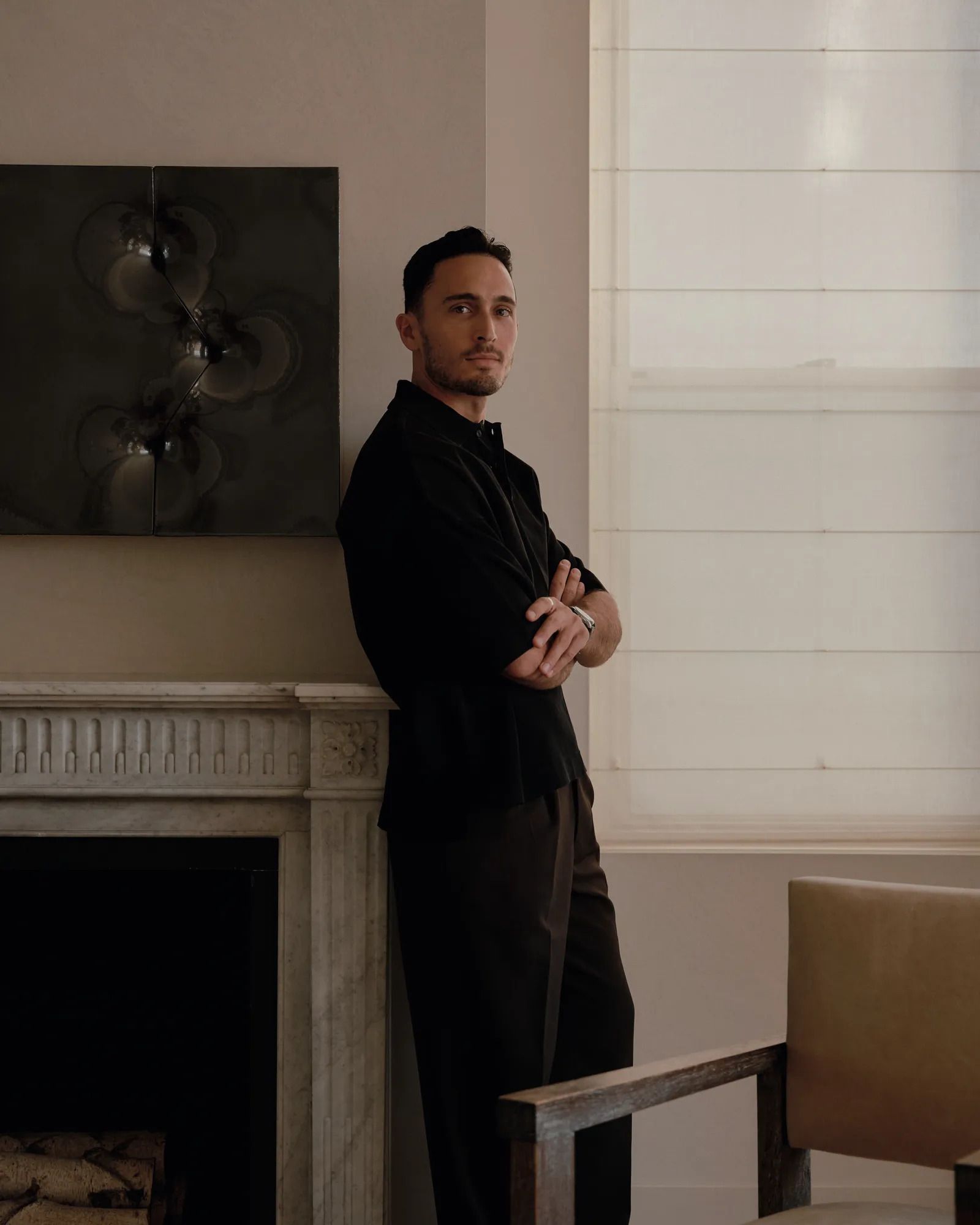
“Solid parsons base with tubular metal and upholstered cushions, the composition is forever intriguing,” says Syrian-American designer Nicholas Obeid of the Lodge chair. Originally designed by Ettore Sottsass in the late 20th century, the piece serves as Obeid’s benchmark for everlasting design. Striking a deliberate pose between architecture and furniture, the chair is assertive in its geometric clarity yet remains fundamentally inviting. For Obeid, the staying power of the Lodge lies in this internal dialogue: it is simultaneously rigid and soft, graphic and tactile, allowing it to move fluidly across diverse interiors without ever losing its identity.
This same commitment to restraint and material honesty is the hallmark of Obeid’s own work, most notably the Michel Pendant. A study in geometry, the pendant features parchment draped over a brass frame, hand-stitched with waxed linen thread by local artisans in New York. The resulting diffused glow reflects a similarly measured approach to construction, bringing the "how" of the object to the forefront. Just like Sottsass’s iconic chair, Obeid’s work is less about making a loud statement and more about achieving the perfect equilibrium.
Chacha Atallah – Presidential Chair by Jorge Zalszupin, 1959
-2.jpg)
“For me, it’s pieces that go beyond function to carry a narrative and permanence,” says Tunisian architect Chacha Atallah. She looks toward the monumental scale of 1960s Brasília to find her definition of permanence, specifically Jorge Zalszupin’s Presidential Chair, a piece she views as the ultimate intersection of furniture and architecture. “It reflects a moment where design and the built environment were deeply intertwined,” she explains. For Atallah, the chair isn’t just a functional object; it is a fragment of a broader vision where art, landscape, and furniture coalesce, giving the piece a lasting cultural weight that transcends the office setting.
This focus on the wider narrative is what Atallah believes grants an object its staying power. It is a philosophy that requires a good understanding of material, form, and context, a triad she explores in her own Sixtine Table. Conceived to be both expressive and highly adaptable, the table was designed to shift seamlessly across different environments. “It was important to create something that could respond to various uses,” she says. Much like Zalszupin’s work, Atallah’s designs are intended to go beyond mere utility to carry, becoming subtle landmarks within a room.
Lina Ghotmeh – Valet Chair by Hans J. Wegner, 1953
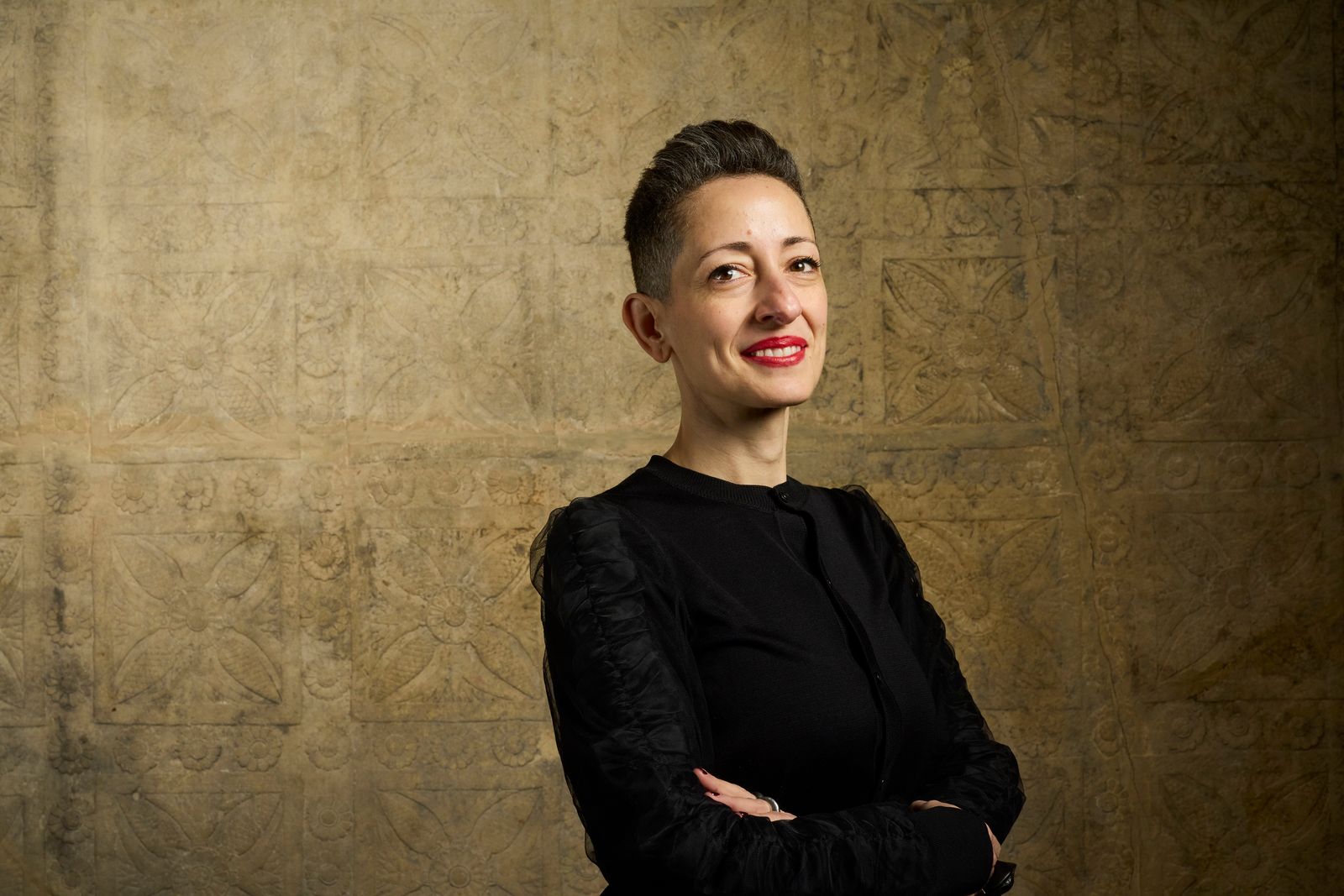
There is a destiny in the objects Lina Ghotmeh admires. The Lebanese architect is drawn to pieces where clarity of intention and craftsmanship are inseparable, and where form emerges naturally from the body’s rituals. Her standout reference is Hans J. Wegner’s Valet Chair, which she describes as "both object and gesture... almost like a companion to daily life." To Ghotmeh, the chair is more than furniture; it is a structural response to a human need; hence, the object’s anatomy serves a dual purpose. The backrest is shaped like a wide coat hanger to preserve the line of a jacket, while the seat hinges upward to reveal a hidden storage compartment for small essentials.
“What defines timeless design, for me, is this sense of deep beauty,” she reflects. “When poetry, form, material, and use are in complete alignment.” This search for the "inevitable" form is the heartbeat of her own architectural language. Whether she is designing a museum or a chair, the goal remains the same: to create a space or an object that feels as though it has always belonged exactly where it stands.
A language of reduction and precision permeates her entire selection. She points to Gio Ponti’s Superleggera (1957) for the way it strips structure back to its absolute essence without losing its soul, and Sori Yanagi’s Butterfly Stool, which finds equilibrium through a silhouette that unfolds with natural ease. For Ghotmeh, these aren't just artefacts; they are proofs of a specific design theorem.
Yasmine Sfar – Bamboo Study III – Urushi by Bijoy Jain, 2023
Tunis designer and co-founder of Altin, Yasmine Sfar champions objects that resist urgency, favoring the slow burn of craft over the flicker of trends. This "refusal to rush" is epitomised by Bijoy Jain’s Bamboo Study III – Urushi, a work where ancient techniques are elevated into a sophisticated sculptural language. For Sfar, this piece represents a deep reverence for material. It’s a quality she also finds in the raw, mythological presence of Alberto and Diego Giacometti’s furniture. To her, these are not just objects, but vessels of human history that remain indifferent to the passing of years.
“A forever object escapes its moment, you cannot date it with certainty, and that is its quiet power,” she reflects. This rejection of a fixed era is the grounding principle of her own practice at ALTIN, seen clearly in the Jabal Console. Hand-shaped from palm wood sourced in AlUla, the console is a product of its specific process and place rather than a specific trend. In Sfar’s view, true, timeless design is a dialogue with time rather than a race against it. Her own creations aim for that elusive, un-datable quality by focusing on the tactile reality of palm wood and the patience of hand-craft.
Mehdi Kebaier – ‘Milos’ Chair by Theodor Psychoyios, 2021
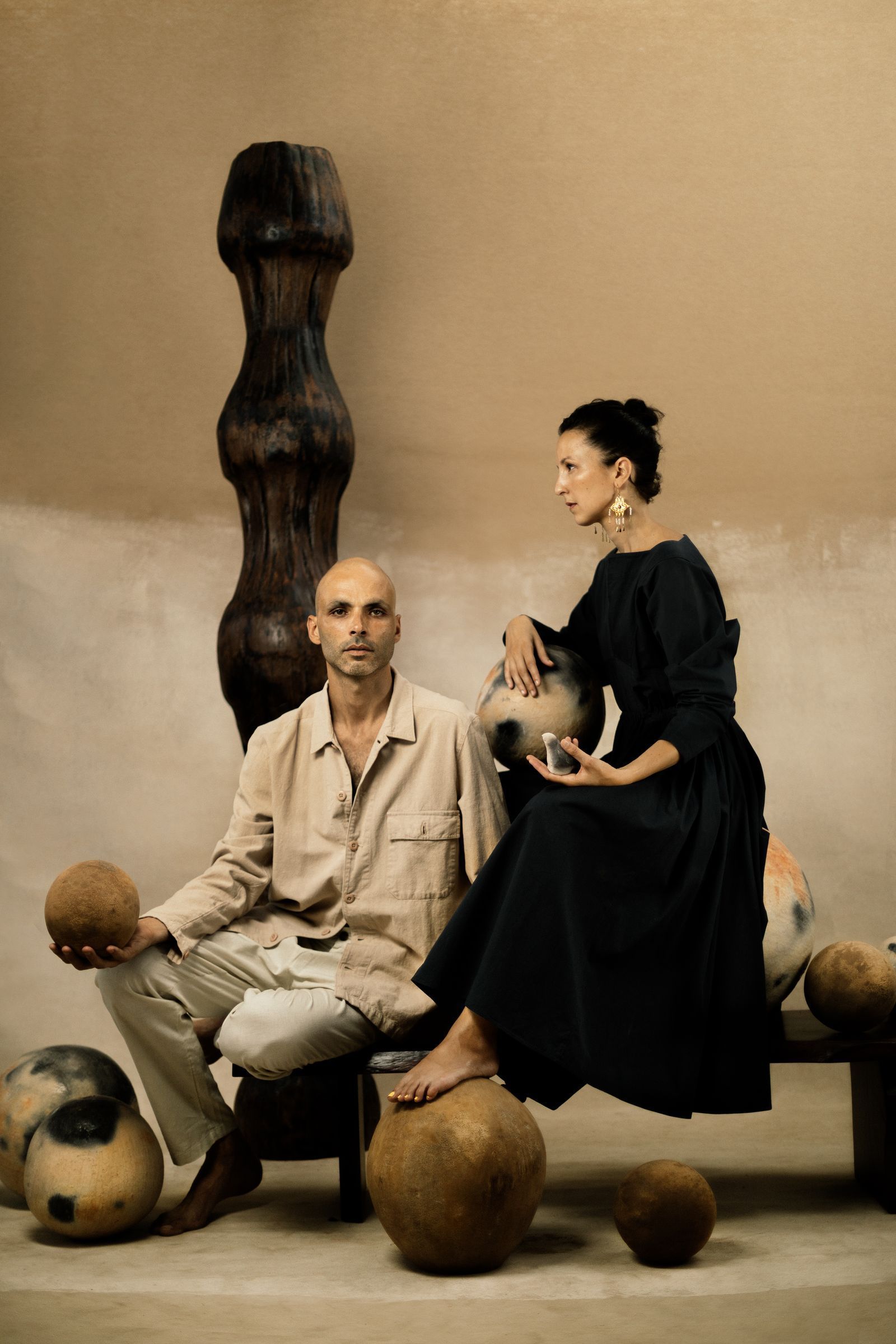
For Mehdi Kebaier, the other co-founder of ALTIN, a forever object is defined first and foremost by its material: raw, resistant, and deeply expressive. His aesthetic leanings favour objects where form feels carved rather than merely constructed. He finds inspiration in the essential, sculptural gestures of Minjae Kim and Theodor Psychoyios, where wood and stone are stripped of the superfluous, as well as the softly diffused glow of Isamu Noguchi’s lamps.
“The enduring quality of an object lies in a specific tension,” Kebaier explains. “It’s that point of balance where the rawness of material meets the elegance of gesture, where an object sets an atmosphere before it is even looked at.” This fascination with the primal power of form is what defines his collaborative work at the studio.
The Petite Ourse seat was conceived in this same spirit. Hand-carved from AlUla palm wood, the piece utilises a medium that famously resists conventional assembly, demanding a high degree of patience and physical force. For Kebaier, this slow, subtractive method of creation ensures the result is not just a piece of furniture, but a sculptural presence designed to anchor a space indefinitely.
.jpg)


