

Twenty years ago, elite Korean homes were all about excess. Gilt, glitz and heavy fabrics projected an image of status that felt oppressive and old-fashioned. Enter the Seoul aesthetic, where things couldn’t be more different: fuelled by social media, the rise of K-drama and K-pop, and a younger, cooler corporate scene, Seoul’s current generation is reshaping how the world sees its interior style. Fusing heritage and modernity, the latest Korean home trends are a microcosm of the country’s fast-developing culture – and are just as relevant for the rest of the world as its music and cinema. Here are the key trends to be inspired by…
Reinventing the hanok
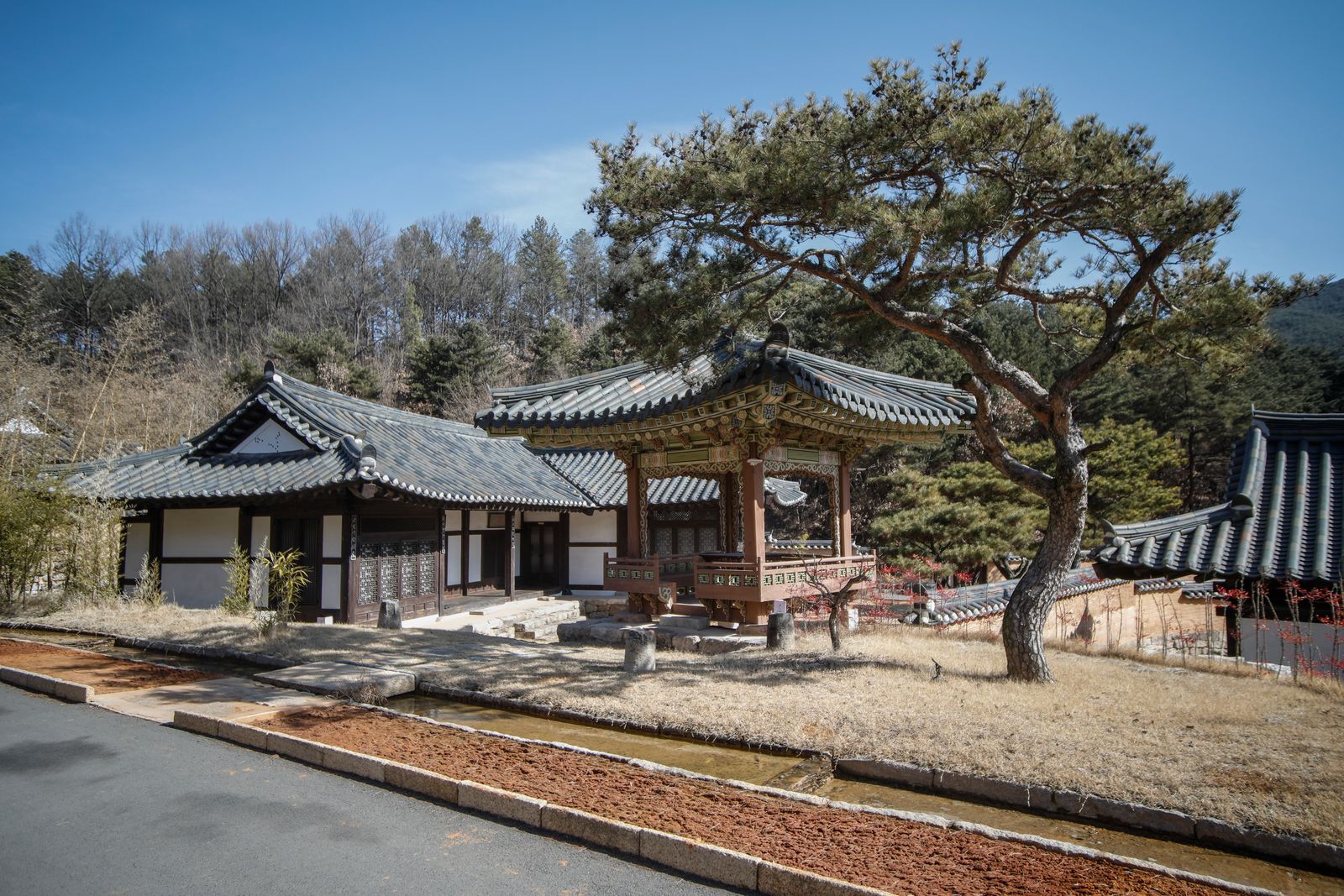
Restored hanok (traditional Korean houses) are often repurposed as boutique hotels in Seoul, their architecture revealing the simplicity inherent in Korean design. Characterised by timber beams, serene courtyards and simple details like paper screens and pojagi (patchwork curtains in sheer fabrics that recall the look of stained glass), hanok reflect the Taoist principle of yin and yang – simplicity and harmony with nature. You might say that this is the Korean equivalent of Japan’s wabi-sabi, and indeed, its earthy, unadorned warmth underpins many of the culture’s other popular trends.
Marshmallow minimalism
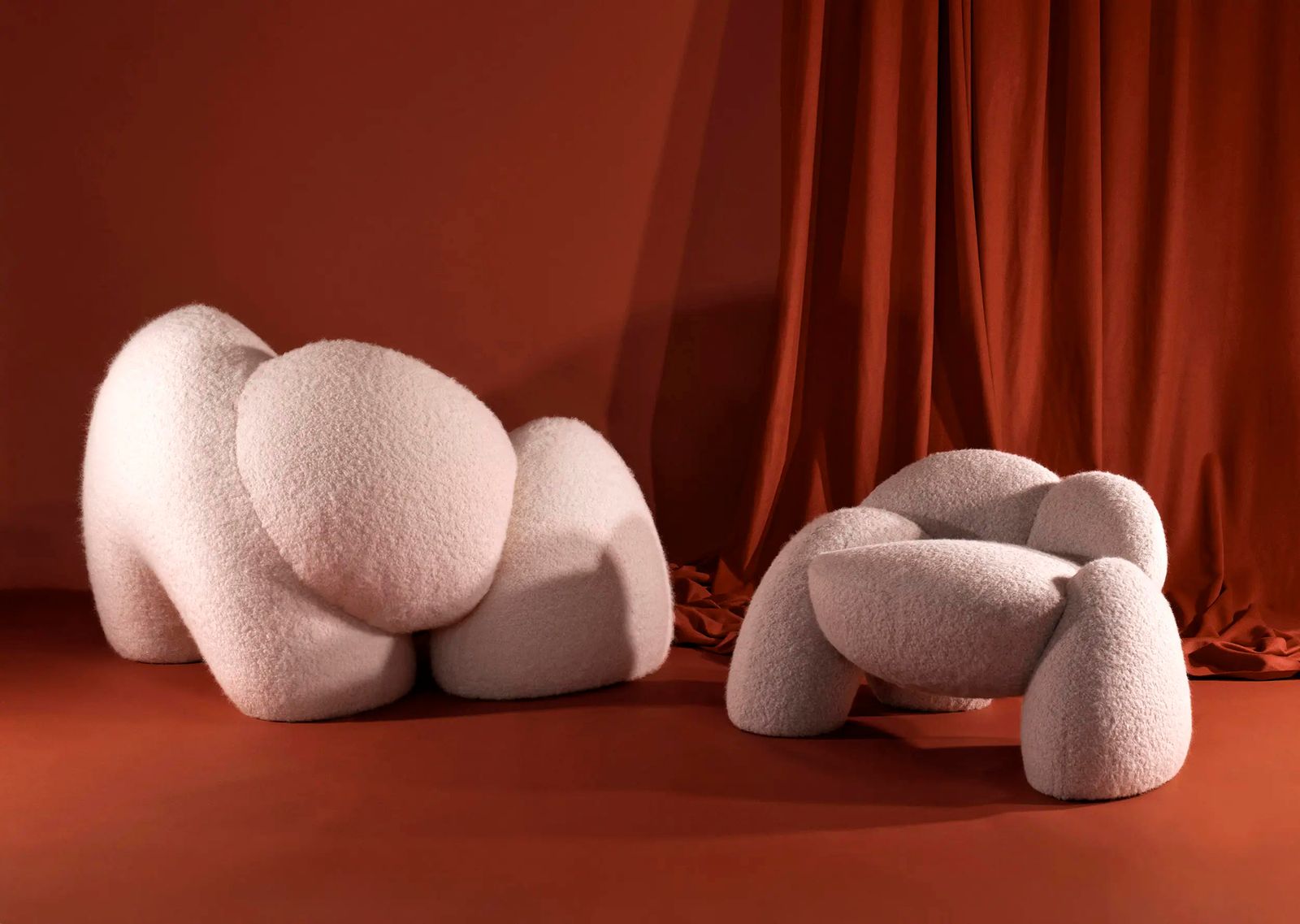
The Seoul aesthetic is synonymous with stripping away the old layers of excess from their homes, they have been careful not to toss out comfort. Scroll through Korean homes on Instagram and you’ll see their love for plump, marshmallow-like furnishings and fluffy textures. The playful quality of these spaces is mirrored in the Western trend for neotenic design, or chubby, rounded forms; in the Korean version, restrained colour palettes and a less-is-more approach make the look compatible with grown-up interiors. To recreate it, opt for a curved sofa with pebble-shaped ottomans, choose textures such as sheepskin and bouclé wool, and keep accents as minimal as possible.
.jpg)
Bi-um: meaningful emptiness
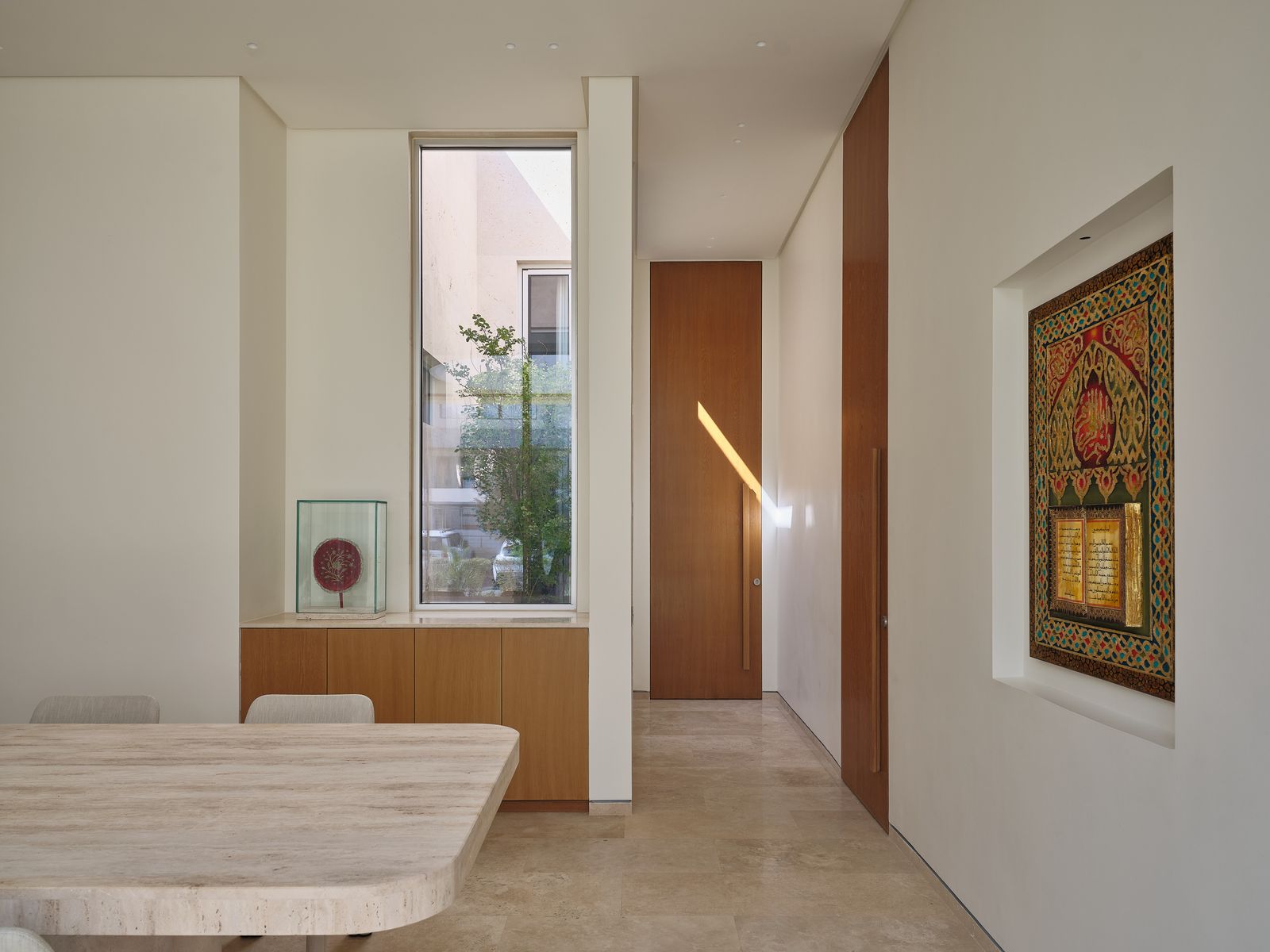
Inspired by the ancient philosophers of the Joseon era, bi-um is a concept that translates as “meaningful emptiness”, embodying the idea that a space should be left open to light, air, and its resident’s soul. More of an attitude than a look, this trend means stripping your home of unnecessary clutter, allowing just a few carefully chosen objects to carry emotional resonance. Following this minimalist line of thought, empty walls and surfaces in Korean homes assume greater significance, appreciated for their tactile qualities alone: an expanse of concrete or a hanji (mulberry paper) screen can exist without decoration. If you do crave adornment, borrow from Korean art collectors’ passion for Dansaekhwa (minimalist monochrome paintings), and hang a simple abstract canvas.
The all-white interior
Very rarely will you find brash colours in Korean homes. Wood and touches of grey are often seen, but the nation’s style set also has a passion for all-white rooms, which they prevent from looking clinical by embracing soft forms and textures, and by using luminous lighting tricks, such as concealed backlighting and multiple shapely lamps. Warmer ivory palettes are a more relaxed way to get the look, and you can always steal that simple Korean hack for bringing life to an interior: a humble pot plant, the more sculptural the better.
Low-level living
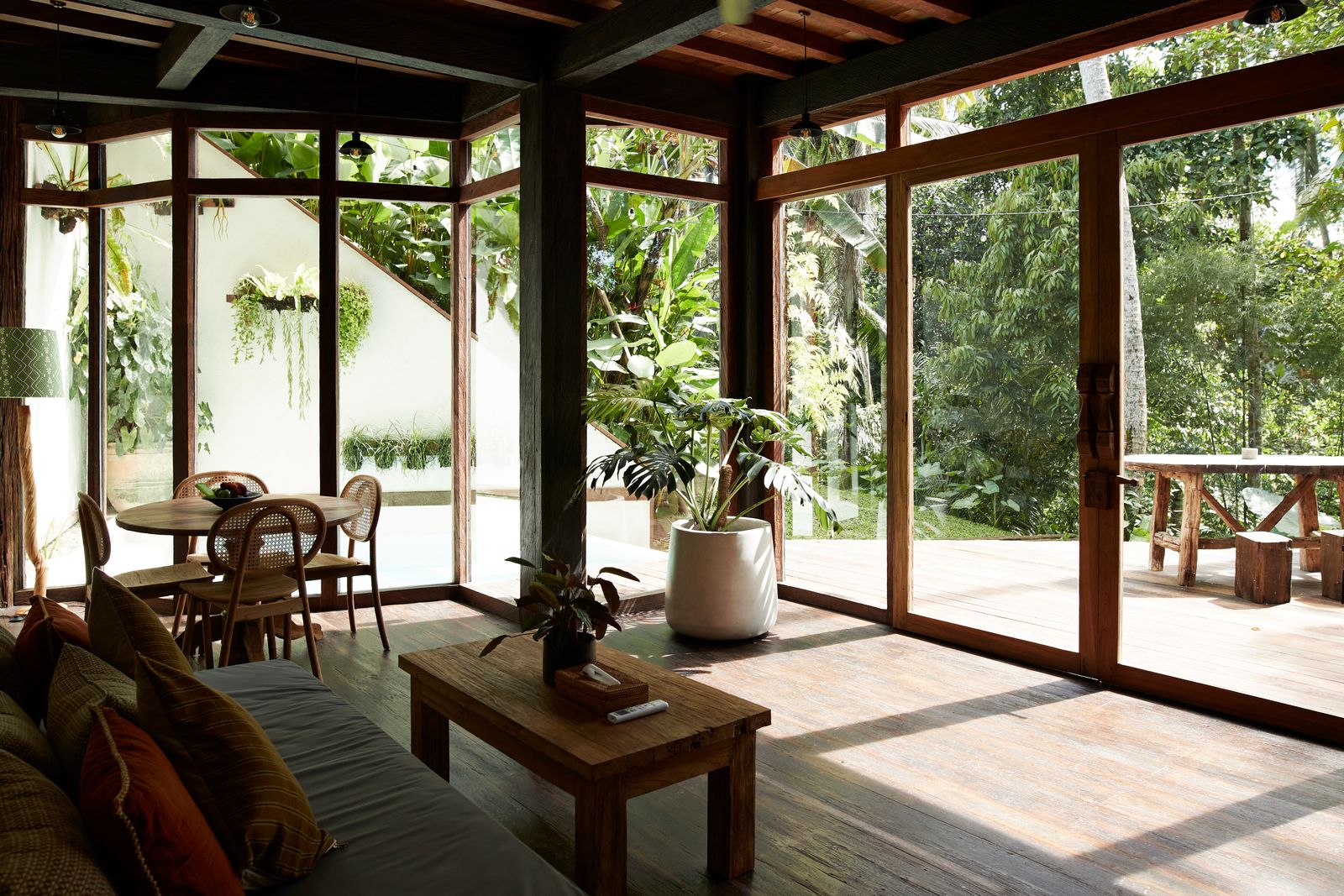
Fashionable Korean homes often ditch bed frames in favour of a simple, unadorned platform bed or mattress. This is just one example of low-profile furniture in a country that loves humble design. Low-profile tables and multifunctional seating are also part of the trend, which banishes decoration in favour of mindful, almost monastic living. For inspiration, look to the “K-drama house” often seen on-screen, which is usually minimalist in style: the ultimate example is the Modernist villa in Boon Jong Ho’s 2019 film Parasite, with its low-level lounge furniture and wide, full-height windows (the movie’s production designer, Lee Ha Jun, has said that it was inspired by his young son’s Lego blocks).
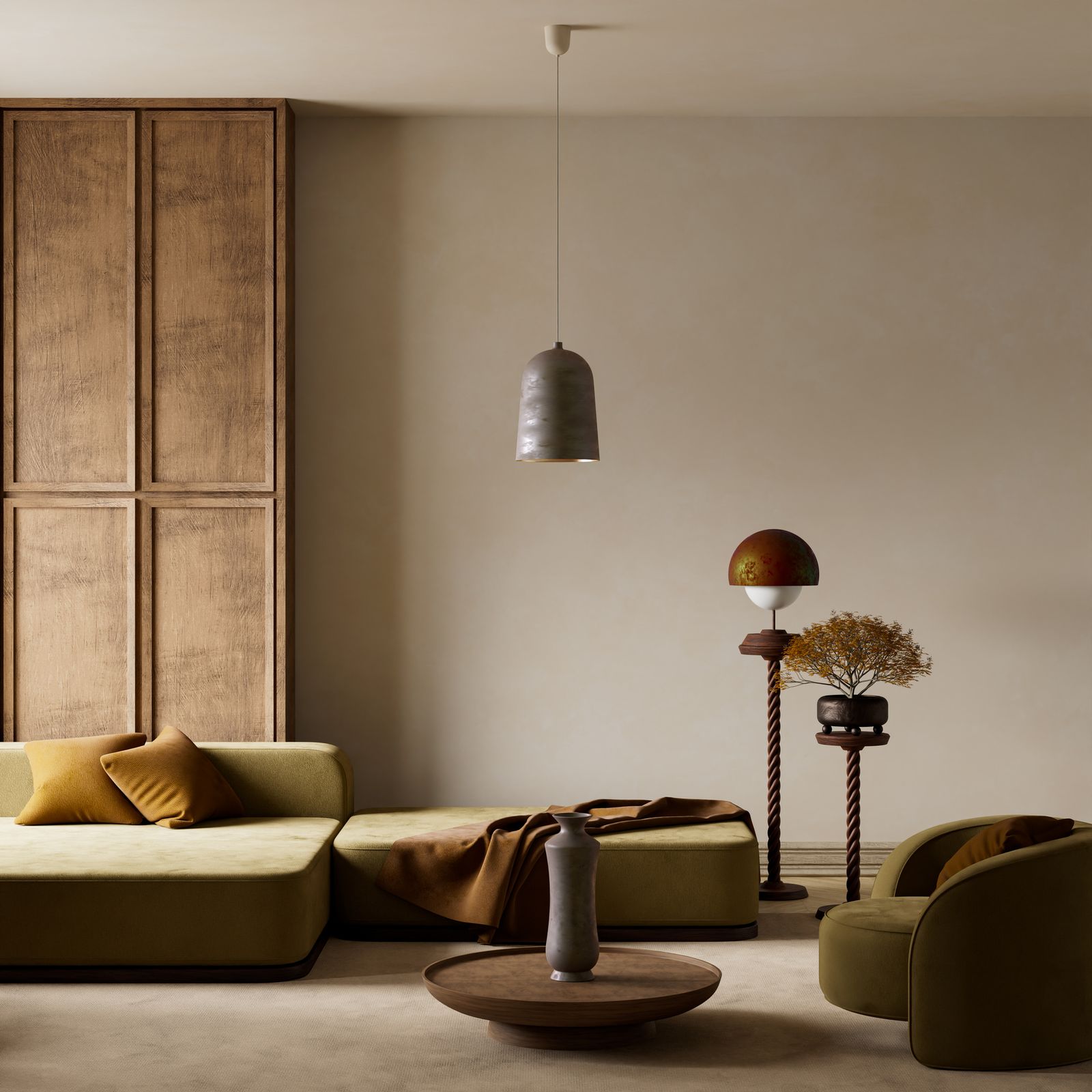
Korandi: the new Japandi
European Modernist design is hugely popular in Seoul right now, with midcentury classics commanding high sums. The trend for Scandinavian-infused interiors goes hand-in-hand with that: think pale wood juxtaposed with traditional Korean ornaments, boxy furniture combined with soft, indirect lighting, and rustic studio pottery displayed against timeless stone and linen. A Middle Eastern take on the idea works equally well: the key is in the thoughtful combination of old and new elements.


