
The Louvre in Paris, Doha's National Museum of Qatar and the Guggenheim in NYC are all considered iconic, but for very different reasons. And the best new museums on our list – with their unique mix of architecture, culture and content – are already giving these established venues a run for their money.
Feted for their architectural excellence at the 2024 Prix Versailles honours, the seven institutions on this list come from around the world: from Oman to Japan, China and India. All are visually outstanding, and reflect their local heritage in unique, innovative ways. Which amongst these best new museums is your favourite?
Must Read: 5 Iconic Buildings in the World That Have Broken Guinness Records
The greatest design stories from AD Middle East, delivered to your inbox
A4 Art Museum, Chengdu, China
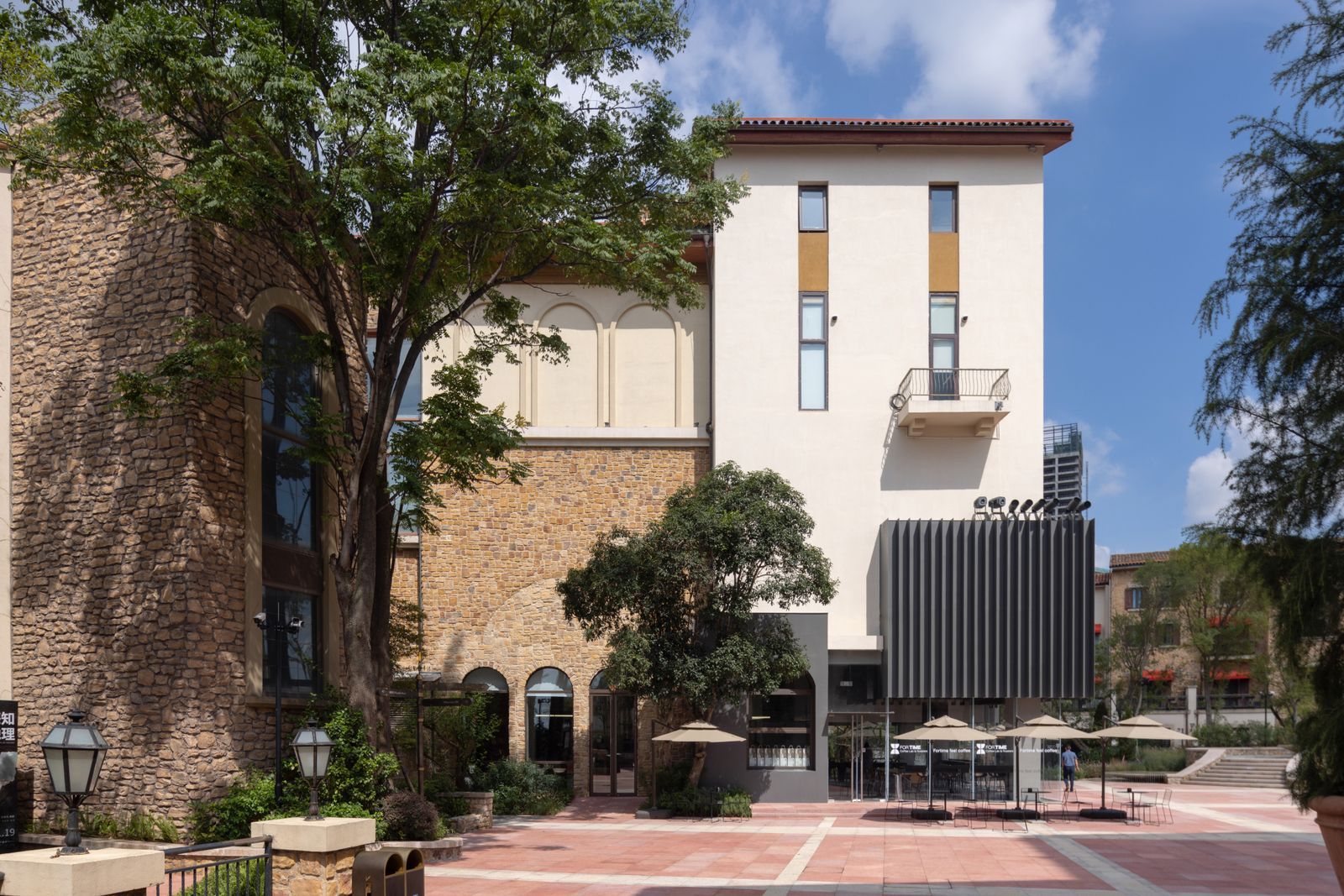
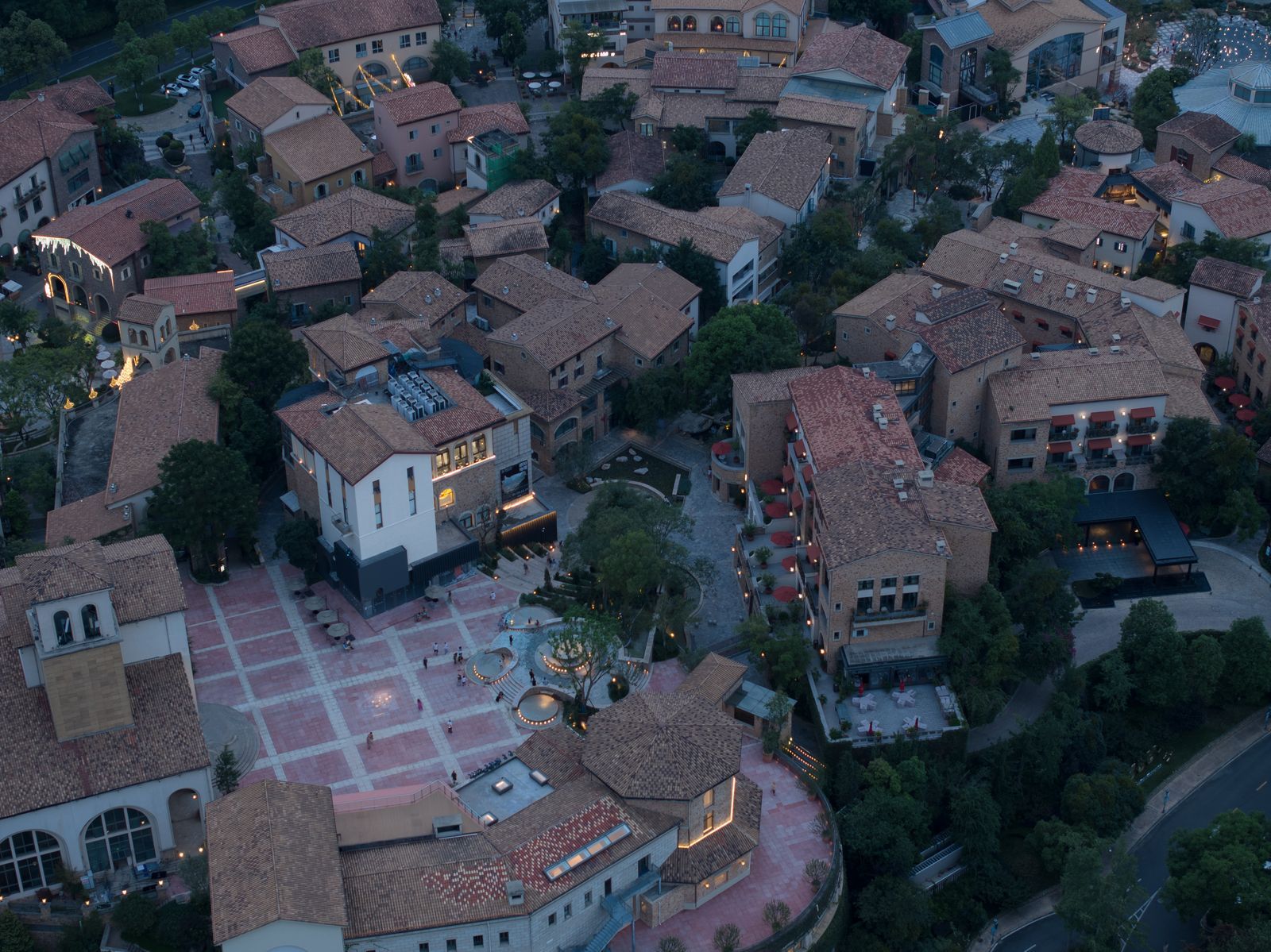
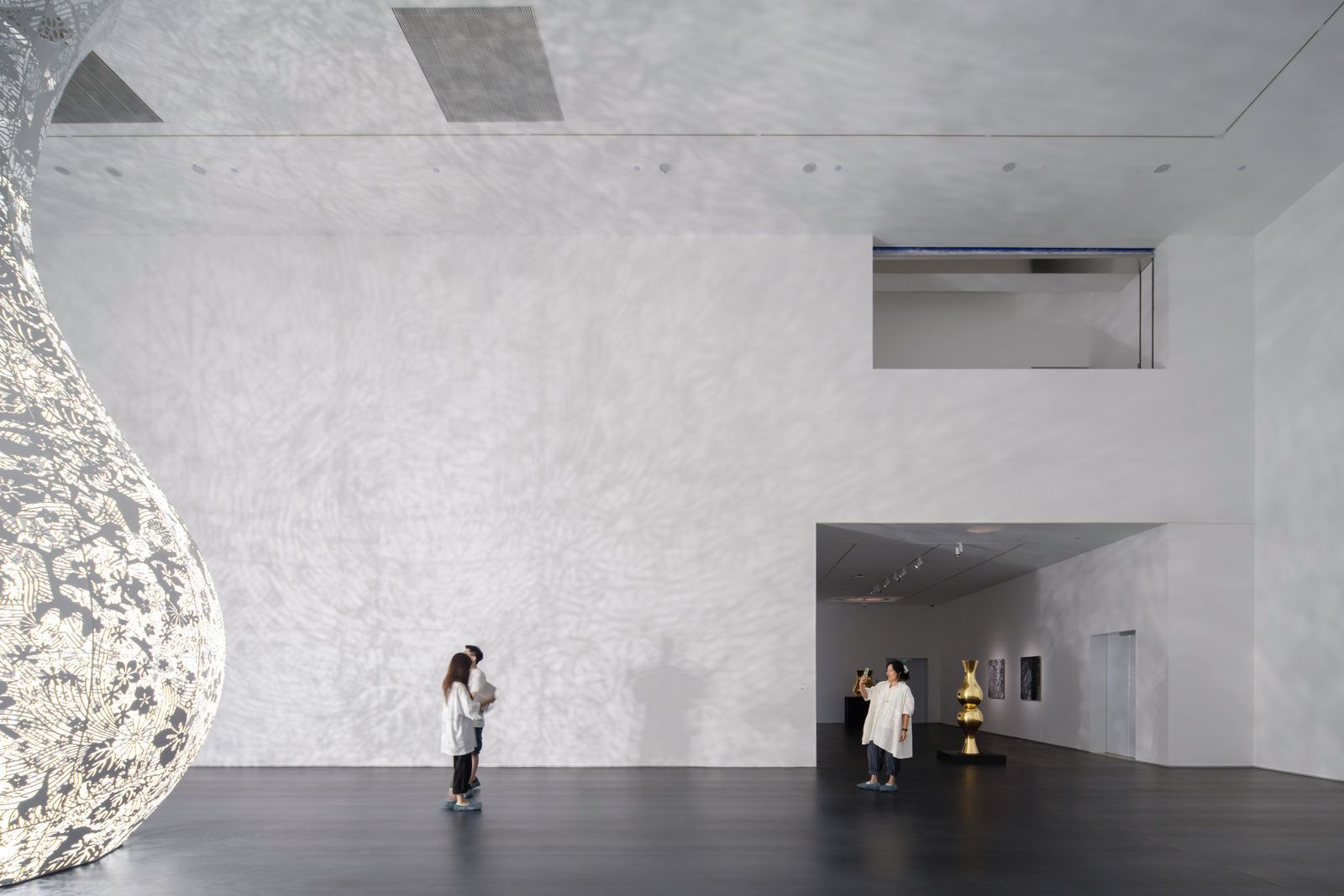
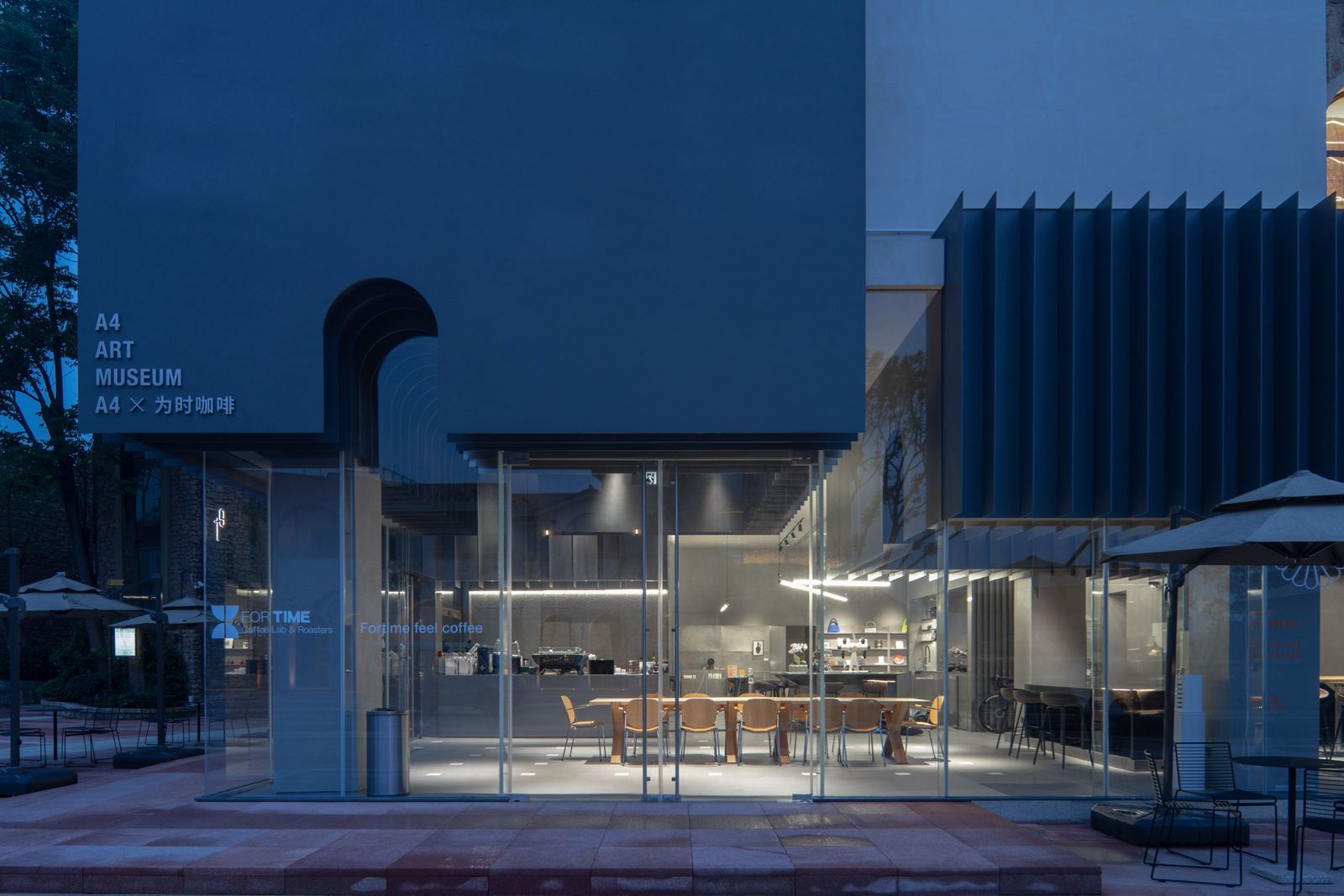
You might do a double-take when you first see the A4 Art Museum. Chengdu is one of China’s most populated cities, but the museum’s location, the suburban district of Luxetown, was modelled on a hillside town in Tuscany, complete with a church and country club. The museum building, which sits on one side of a Florentine-style piazza, has been remodelled by Tektonn Architects (founded in Paris, but now based in Chengdu) in ingenious fashion: from the outside, it maintains its quasi-medieval proportions, but is subtly updated with a geometric corner façade and tall, thin windows. Inside, it’s even more surprising. Three floors above ground are open, welcoming spaces in keeping with the adjacent piazza, while two below house beautifully minimalist exhibition galleries. The perfect fusion of old and new, easily making it onto the list of the world's most beautiful museums.
Grand Egyptian Museum, Giza, Egypt
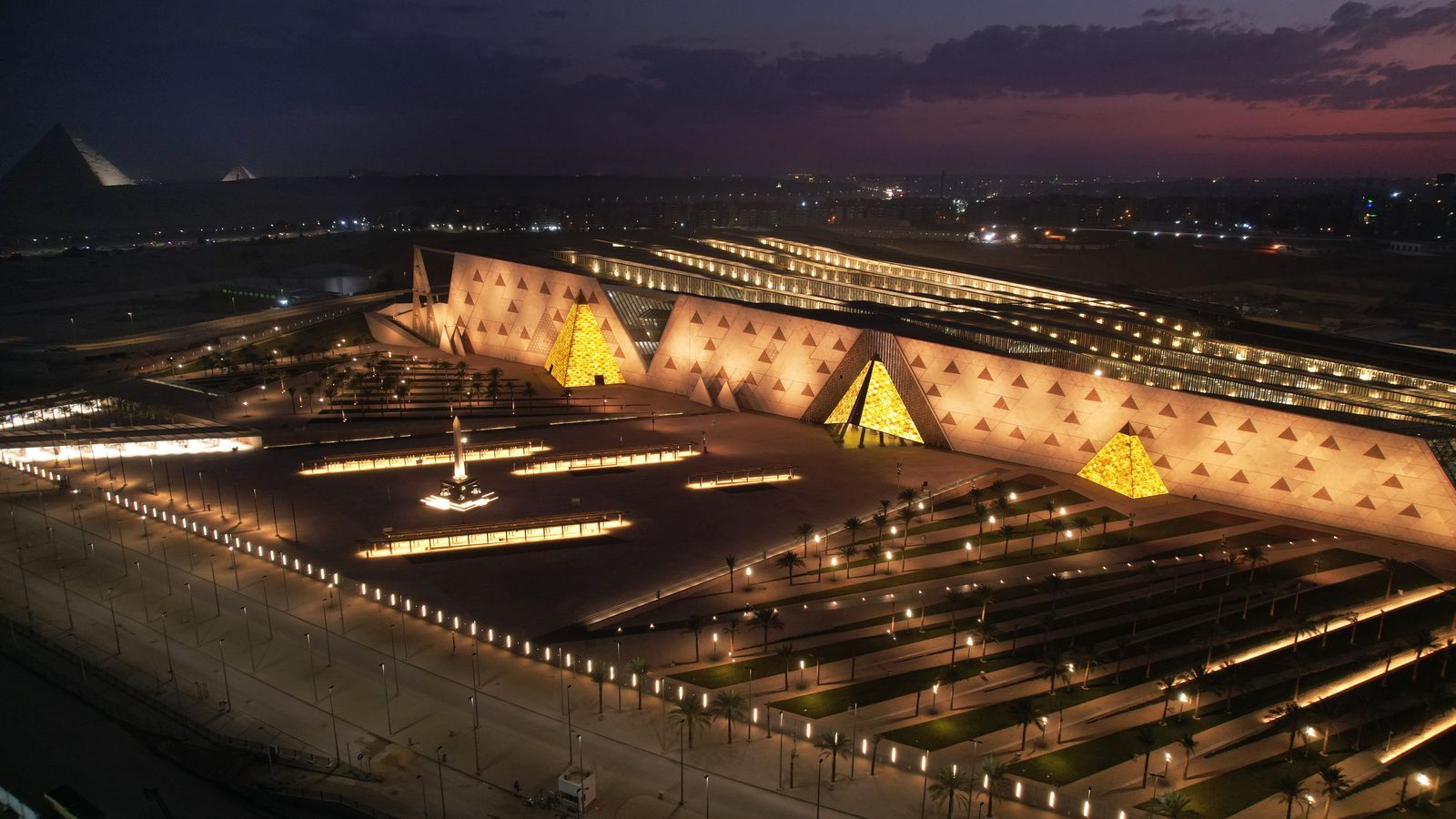
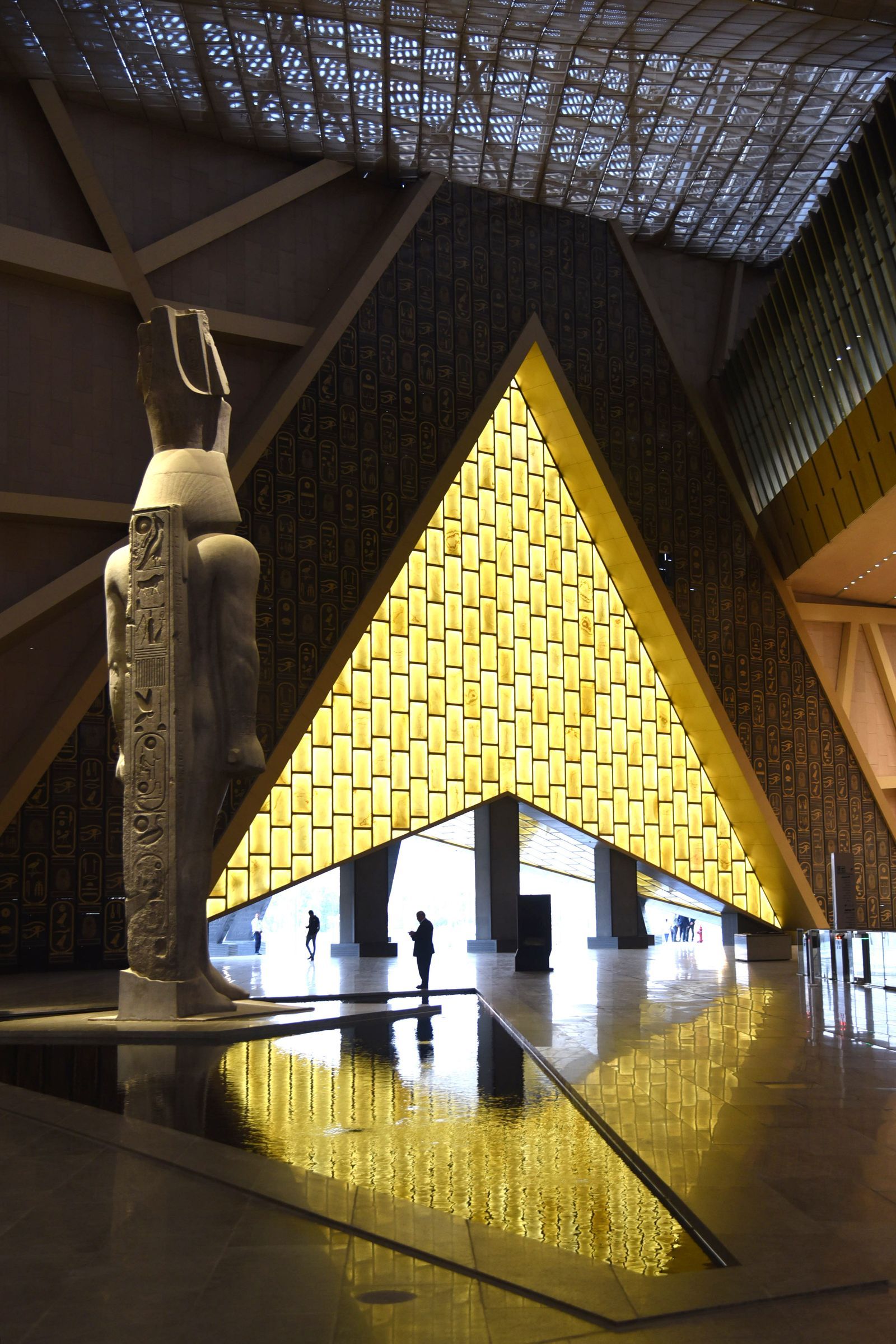
Having the three Great Pyramids of Giza next door to your museum must be intimidating for any architect, so it’s no surprise that it took the team behind the Grand Egyptian Museum over 20 years to realise the Heneghan Peng Architects design (its construction complexity was dwarfed by social, political and financial upheaval the world faced since building began). The architects’ design riffs on the austere geometry of the pyramids, with its sharply intersecting limestone planes and triangular gardens; inside, the colossal entrance atrium wows visitors, perforations in its walls and ceiling allowing sunlight to illuminate a huge statue of Ramses II (himself one of Ancient Egypt’s most ambitious builders). Ascend the grand staircase and you’ll be treated to peerless views of the Giza Plateau and the pyramids beyond.
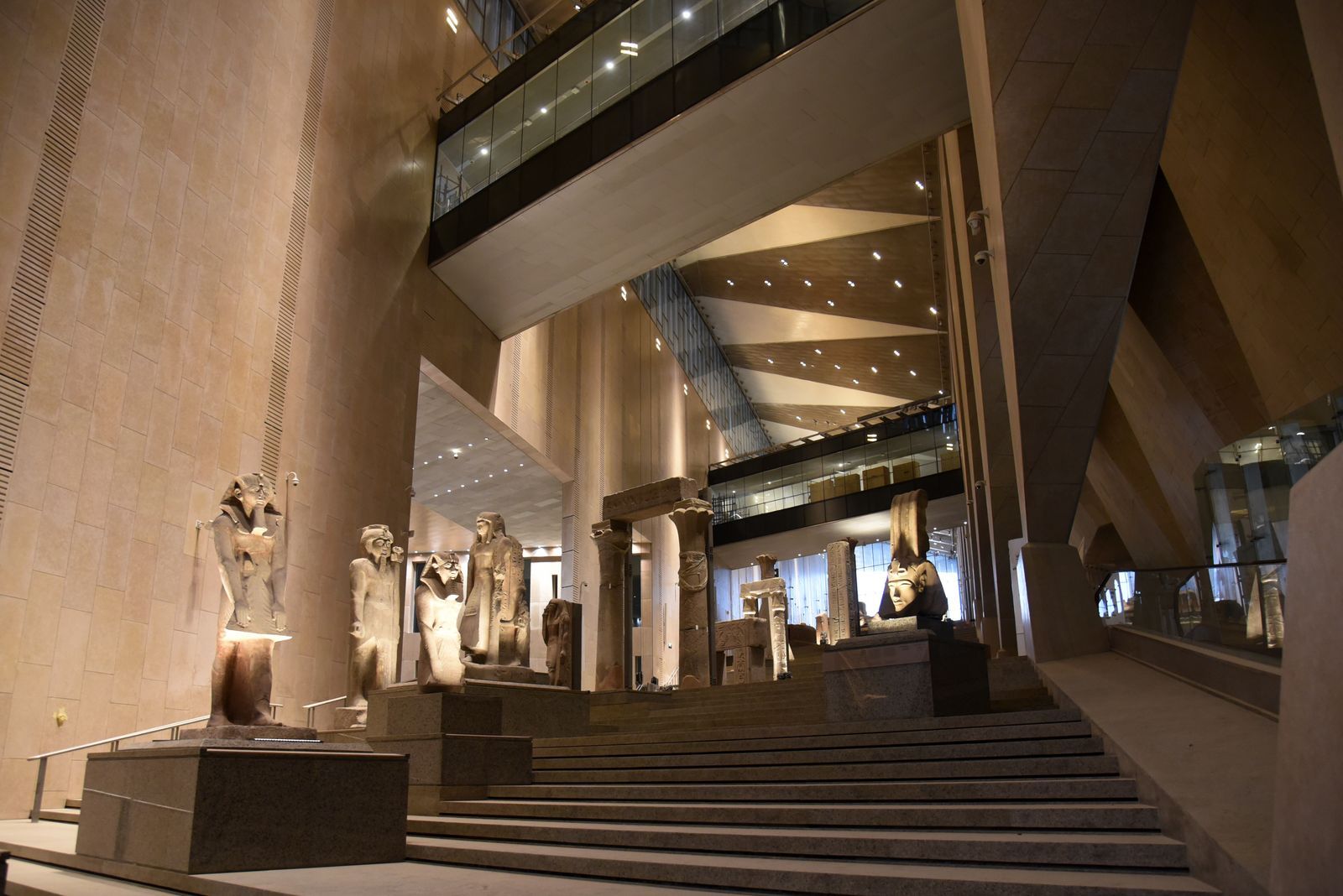
After much delays and smaller, public tours, the Grand Egyptian Museum is formally opening in July 2025. Visitors will come face to face with over 100,000 pharaonic artefacts from Ancient Egypt, including never-seen-before treasures from Tutankhamen’s tomb.
Must Read: The 7 Best Museums In The Middle East You Must Visit
The greatest design stories from AD Middle East, delivered to your inbox

Smritivan Earthquake Museum, Bhuj, India
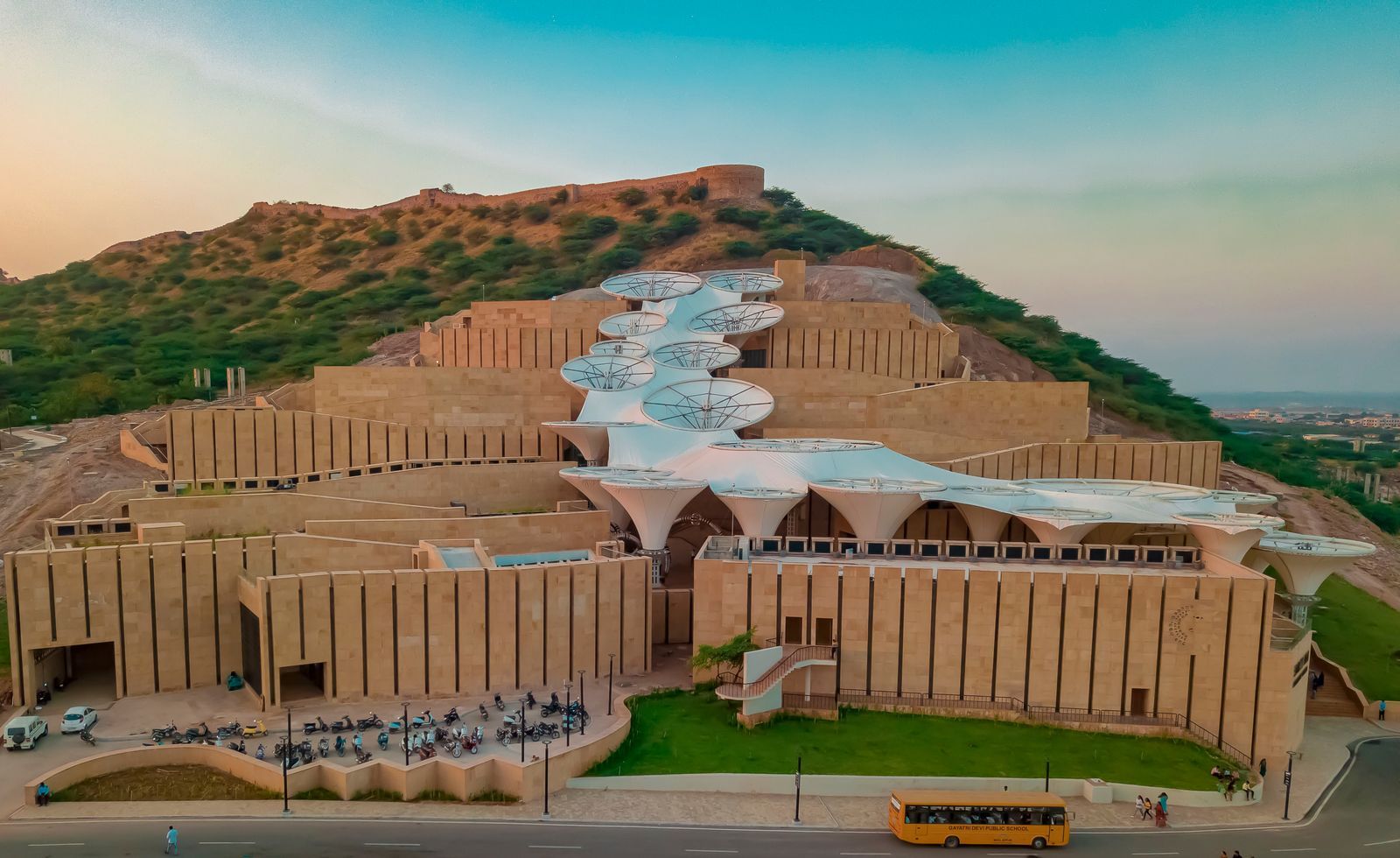
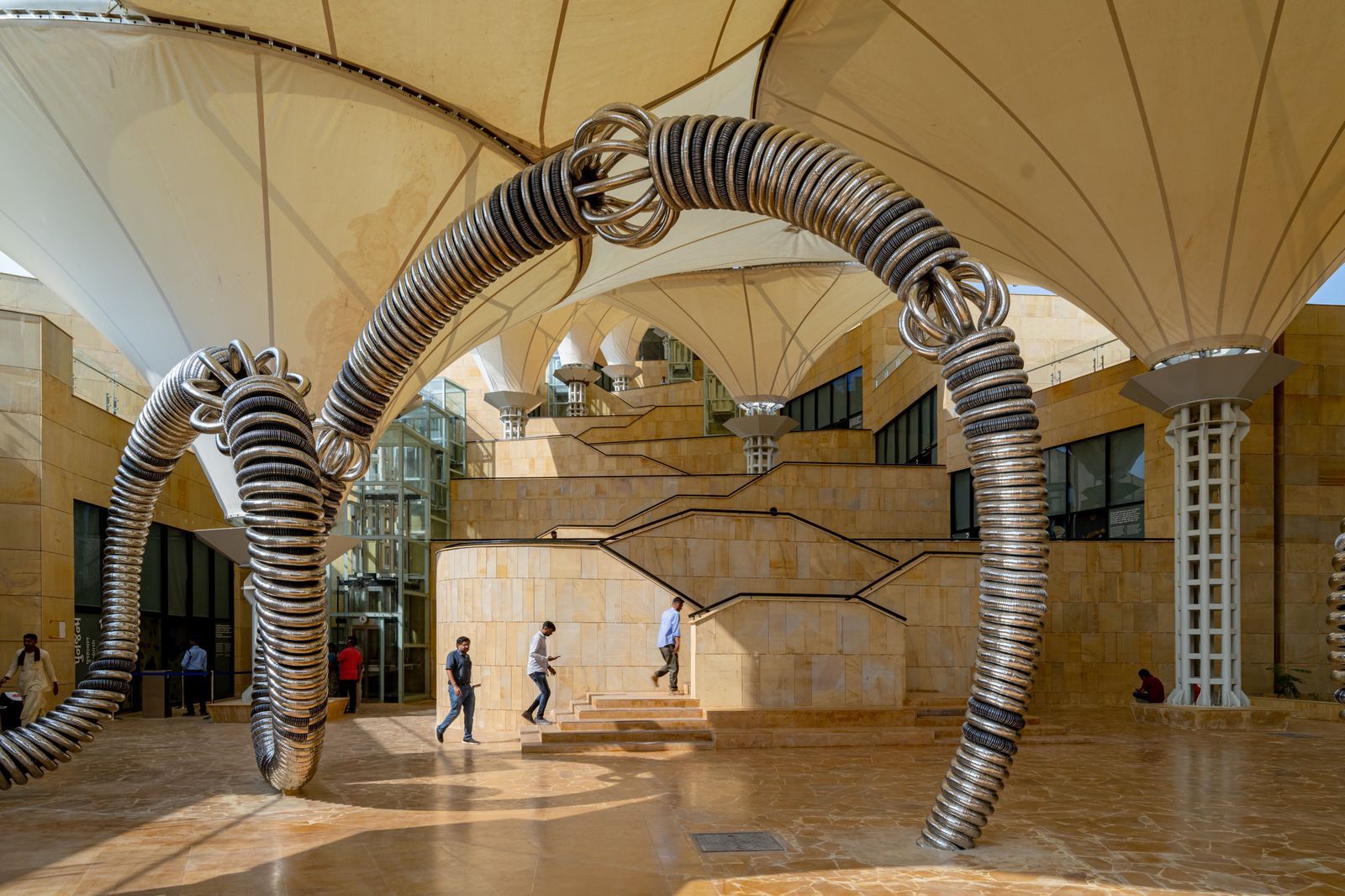
The Smritivan Earthquake Museum serves as a memorial to the 2001 earthquake that killed 12,932 people in Smritivan, Gujarat. Architect Rajeev Kathpalia of Vastu Shilpa Sangath has brought the devastated site back to life with a terraced structure in sand-coloured stone. Its galleries climb up a steep incline and are connected by a winding path, their circular forms echoing the architecture of a ruined fortress overlooking the site. Kathpalia has also planted 12,932 trees, which surround the museum with a lush forest; they are watered by 50 reservoirs on which the names of the victims are engraved. Inside, the museum is divided into seven blocks named Rebirth, Rediscover, Restore, Rebuild, Rethink, Relive and Renew; each represents a different aspect of what the museum symbolises. Artefacts, art and virtual-reality displays explore Gujarat’s topography and its vulnerability to natural disasters, as well as the story of recovery.
Must Read: These Earthquake Resistant Buildings in Morocco Use Anti-Seismic Earth Bricks
Paleis Het Loo, Apeldoorn, The Netherlands
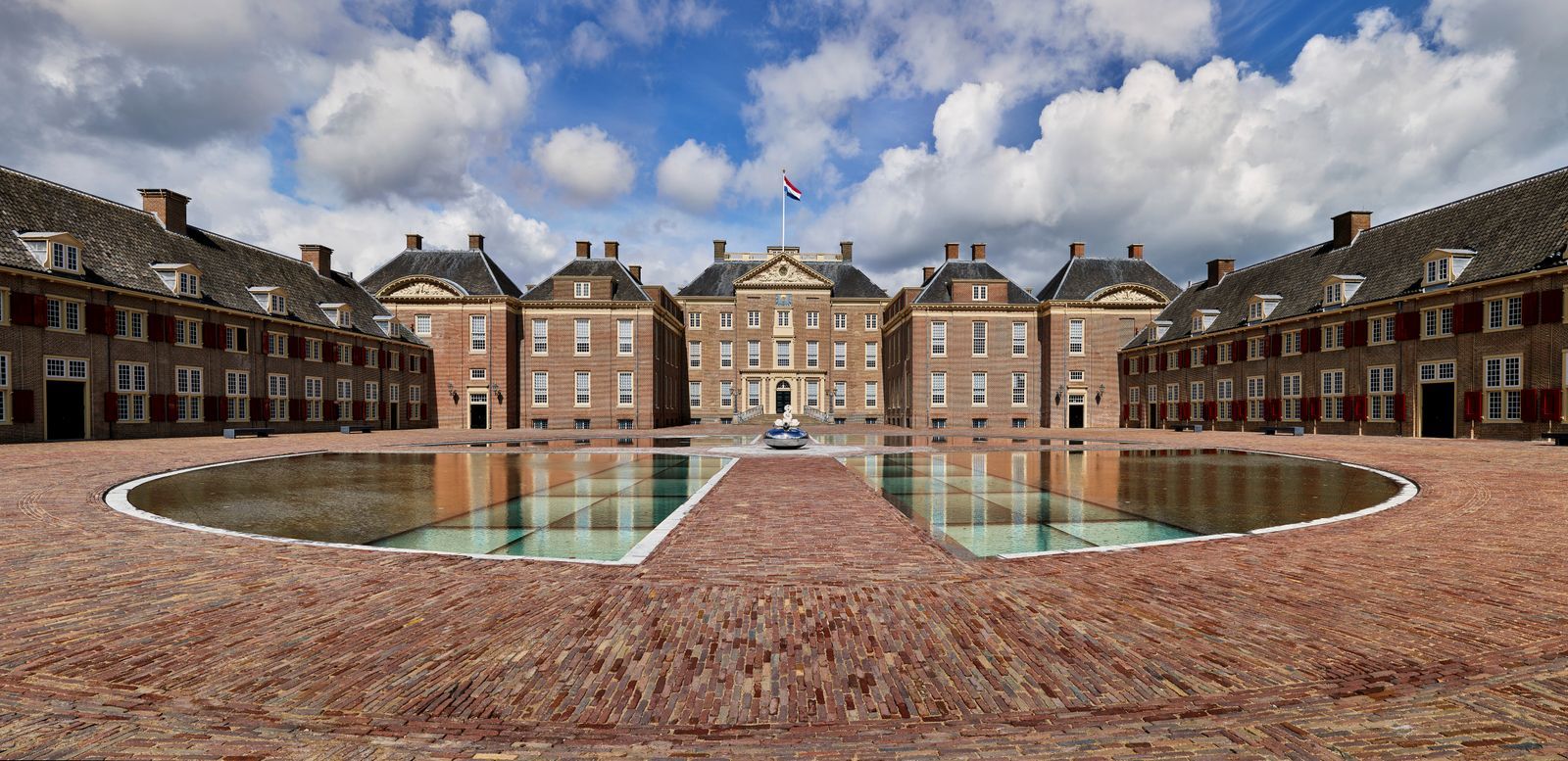
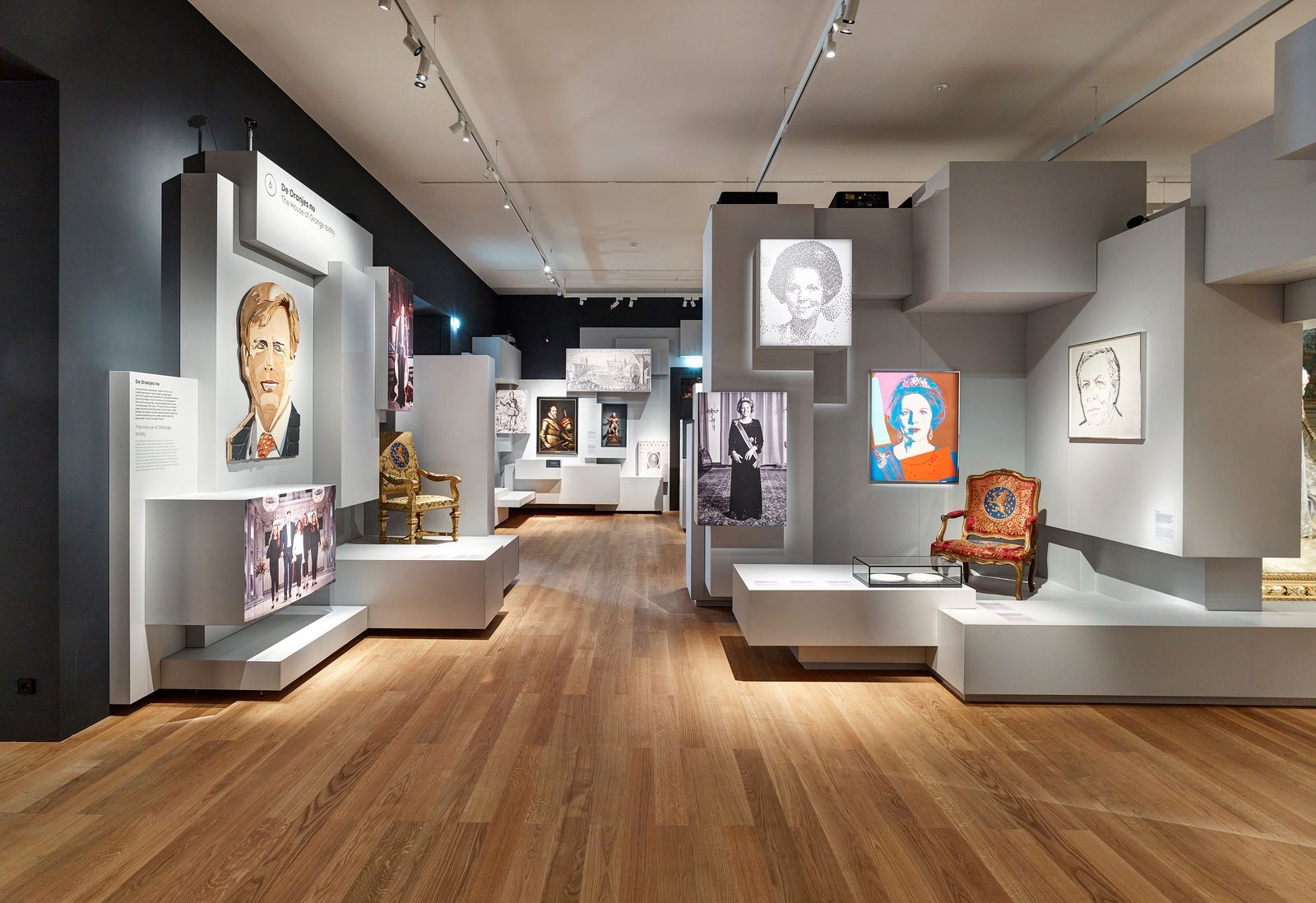
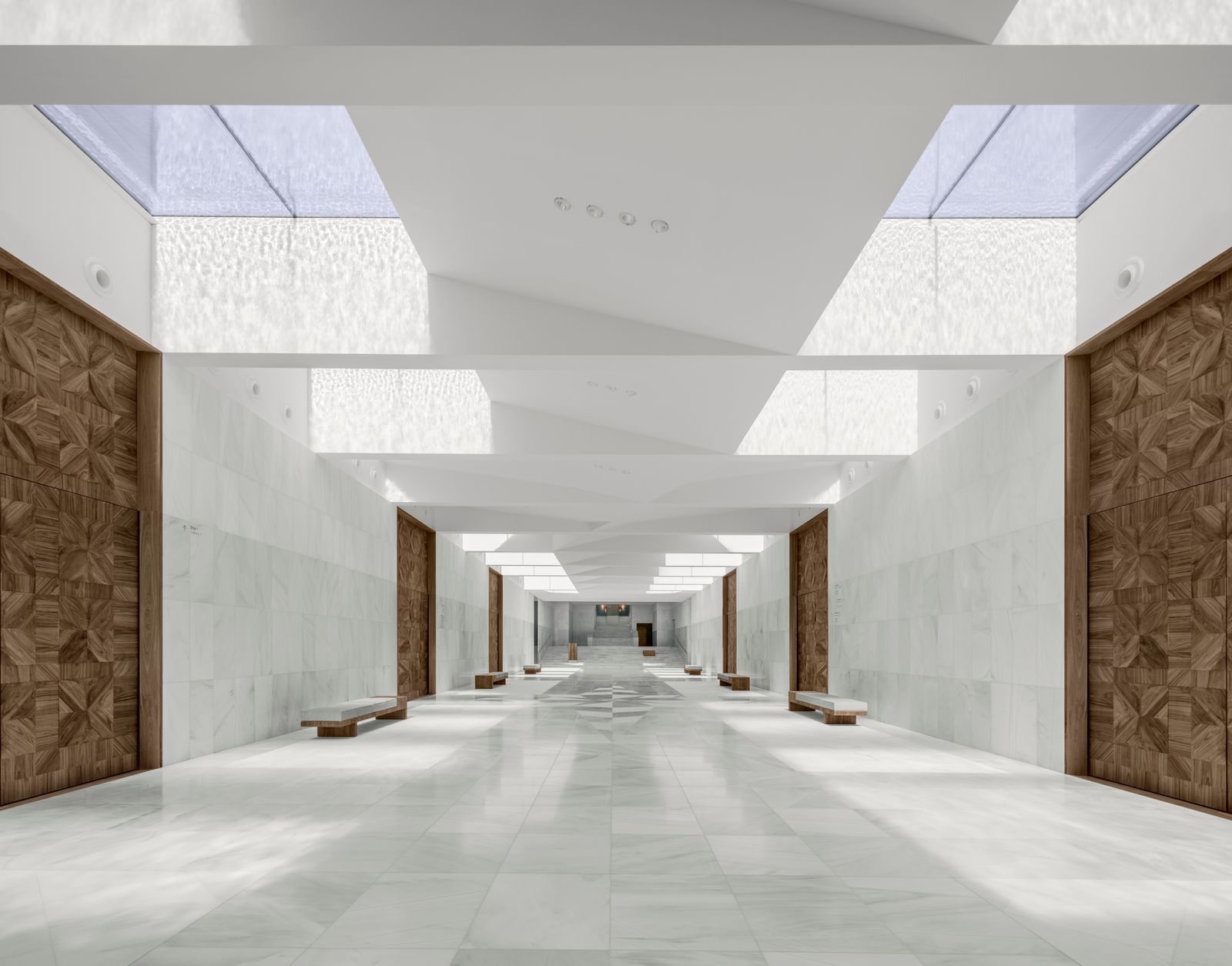
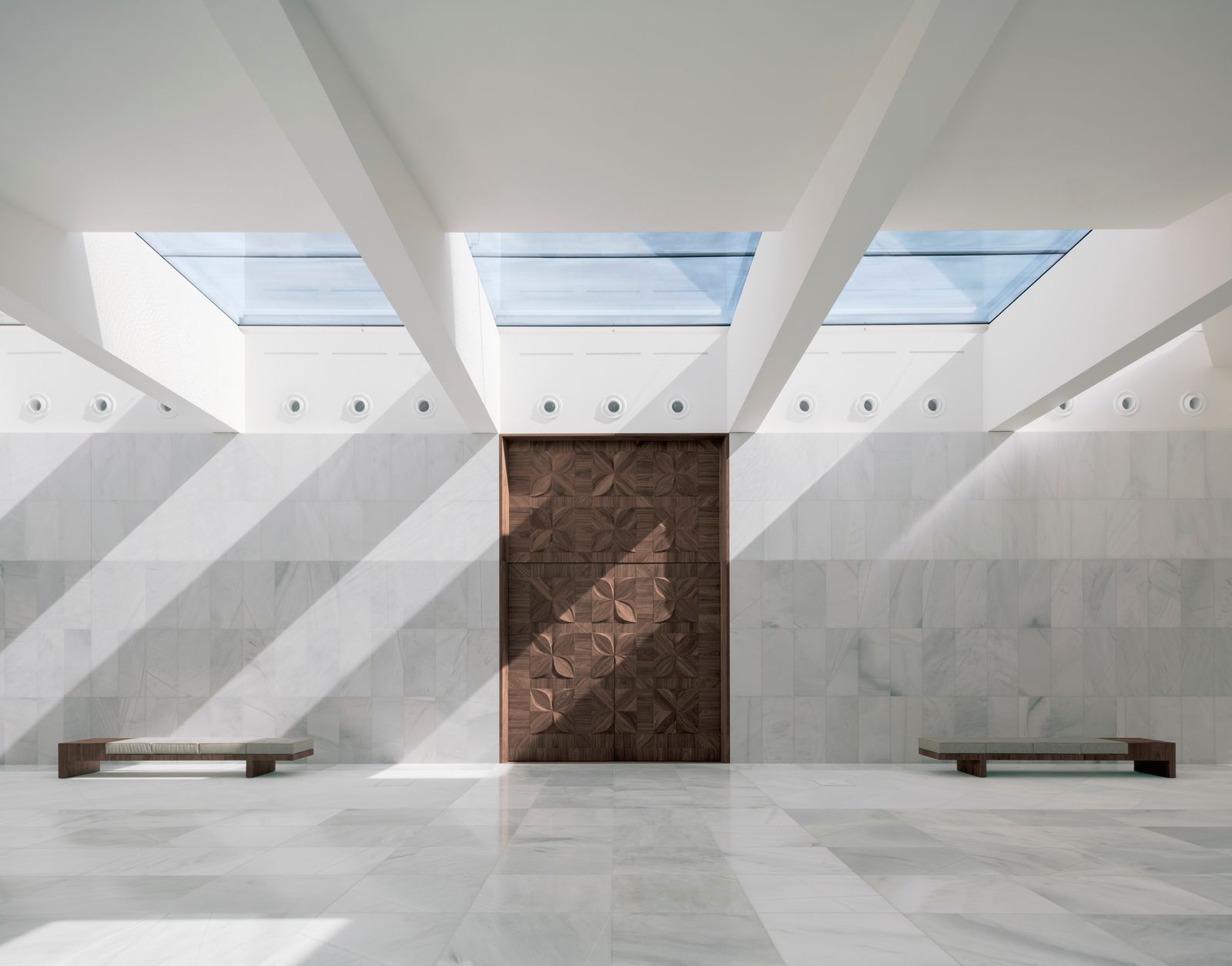
The new extension to the Paleis Het Loo, housed in a 17th-century former royal palace near Apeldoorn and one of The Netherlands’ most popular museums, is the Dutch answer to the Louvre Pyramid. Rotterdam firm KAAN Architecten had the ingenious idea of using the hydraulic systems employed in the palace gardens as a creative springboard for an underground extension. Visible at ground level as a serene oval pool and fountain in the palace courtyard, it incorporates glass skylights that illuminate a series of white marble galleries beneath. Reflecting the symmetry of the baroque palace but at the same time utterly modern, the extension houses a museum for children and a permanent exhibition on the Dutch royal family.
Oman Across The Ages Museum, Manah, Oman
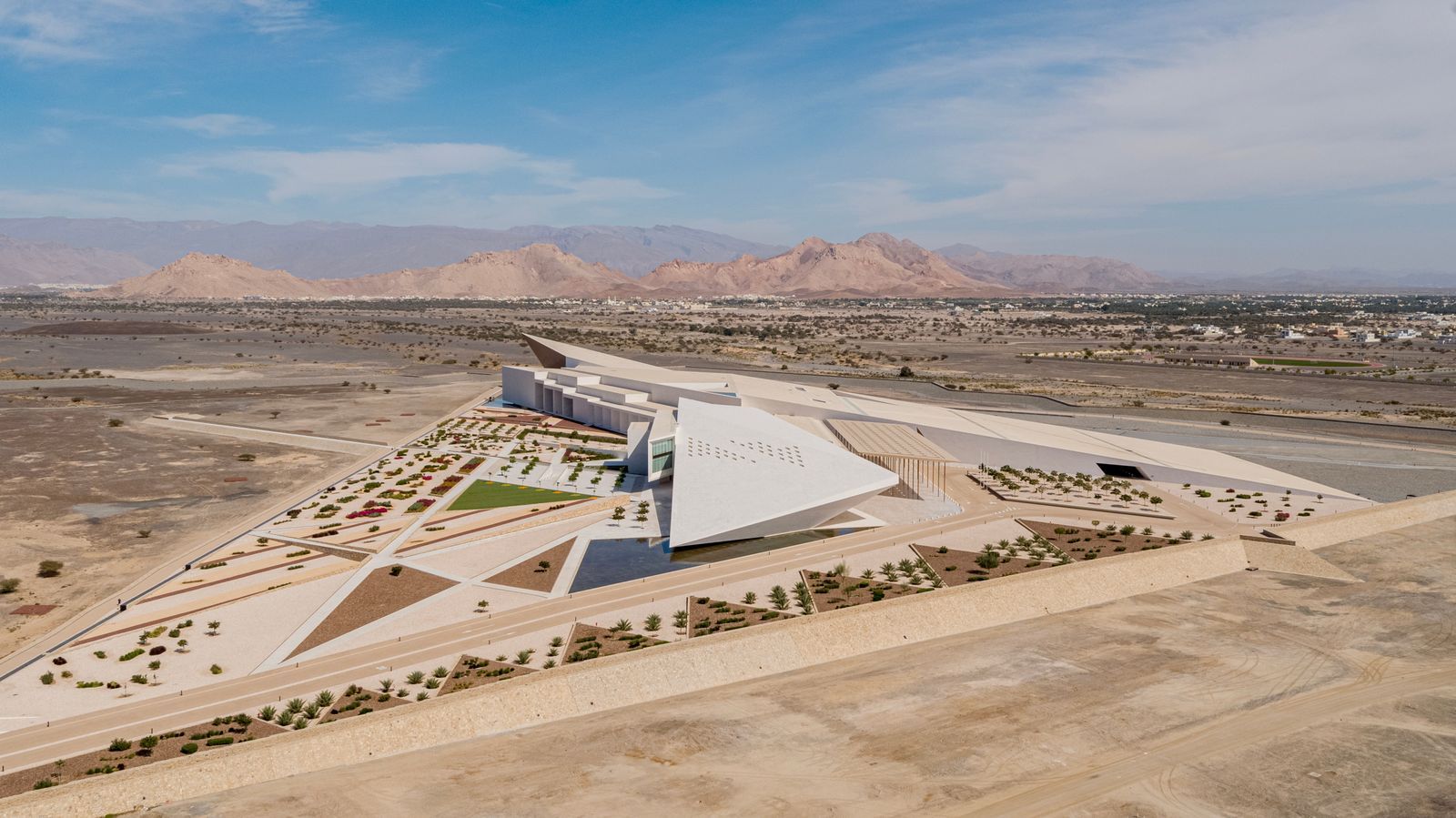
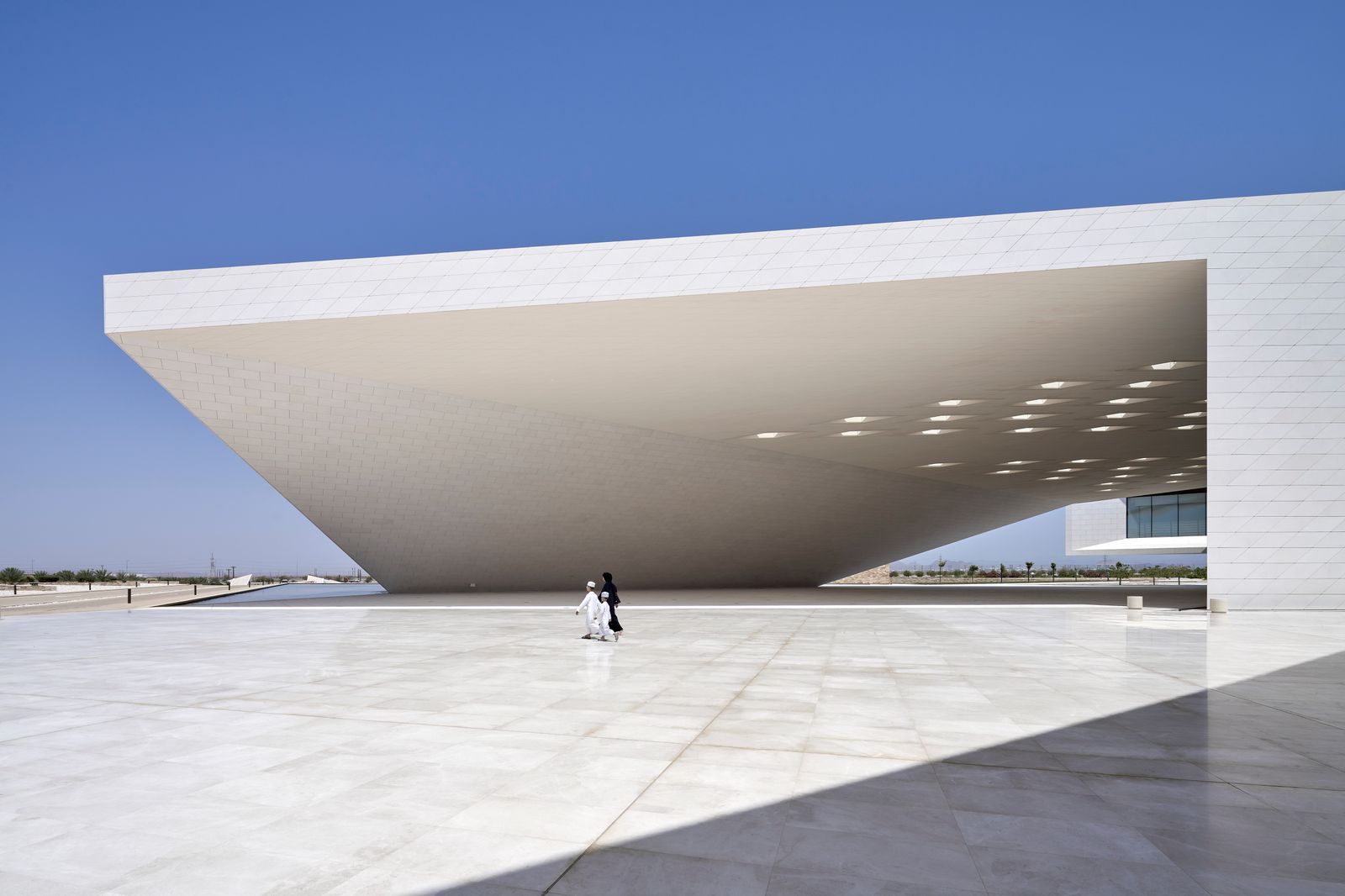
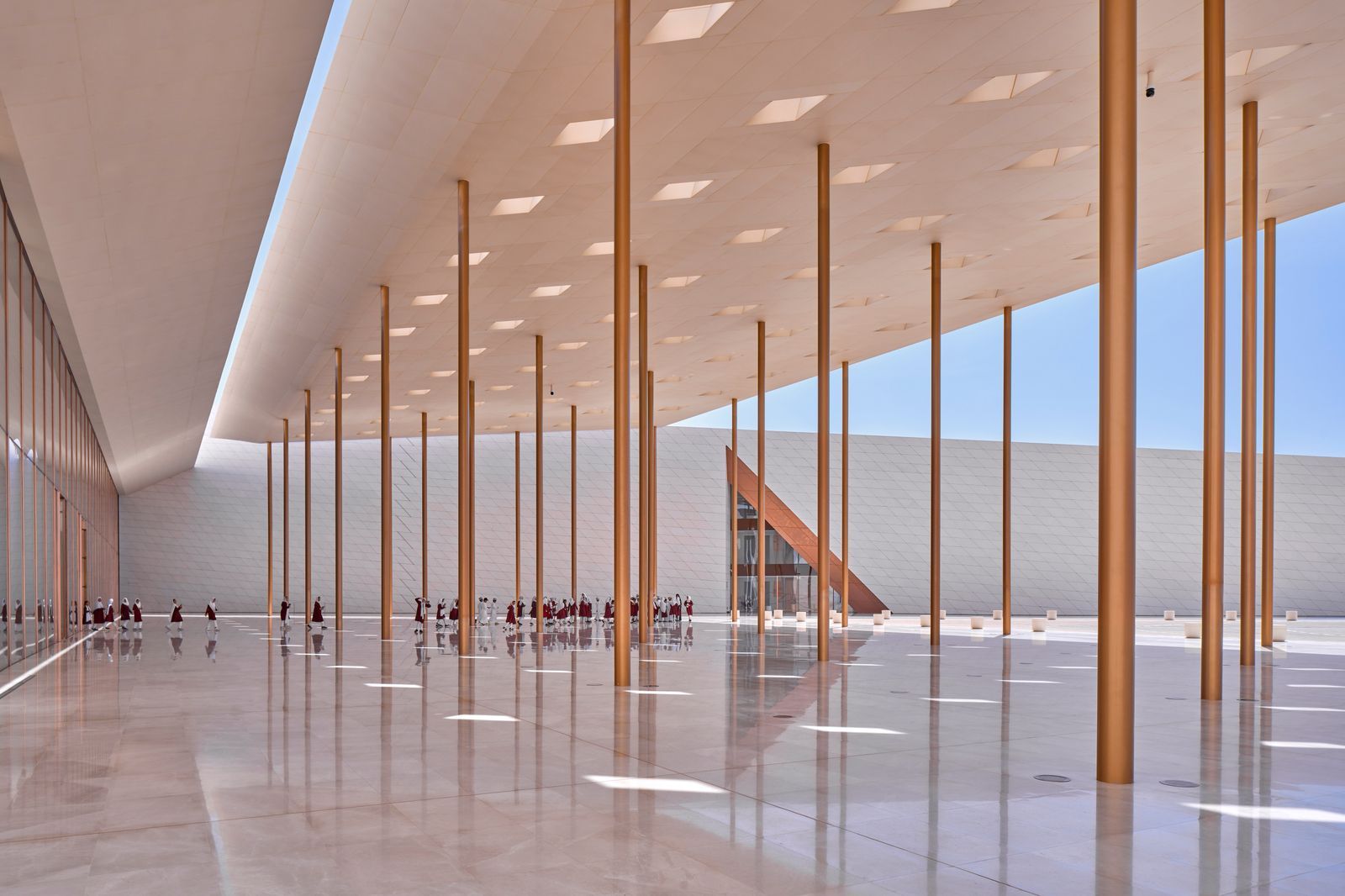
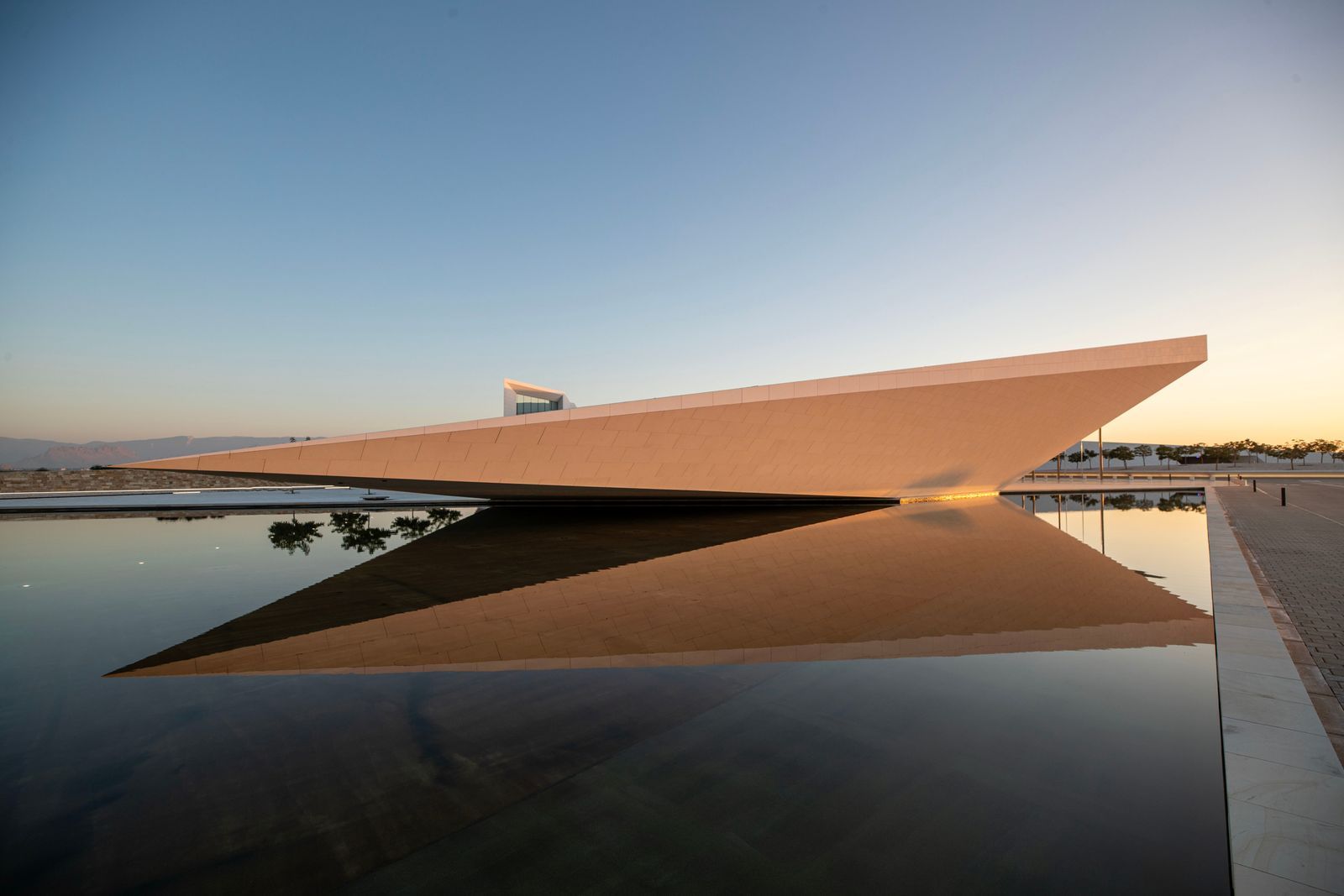
Oman’s breathtaking new national museum, designed by Australian firm Cox Architecture, is inspired by the landscape that surrounds it: situated on a flat desert plain with the Al Hajar Mountains in the distance, its gleaming white exterior is dominated by a towering spike, which rises next to an expansive canopied plaza. The Oman Across Ages Museum is, as its name suggests, a celebration of the country’s rich history, and is located in Manah, near to the ancient capital city of Nizwa. This region has many archaeological sites and is known for its numerous historic forts. The museum is intended to inspire young Omanis to connect to their past, and has been many years in the making – it was the vision of Oman’s late ruler, His Majesty Sultan Qaboos bin Said al Said.
Simose Art Museum, Hiroshima, Japan
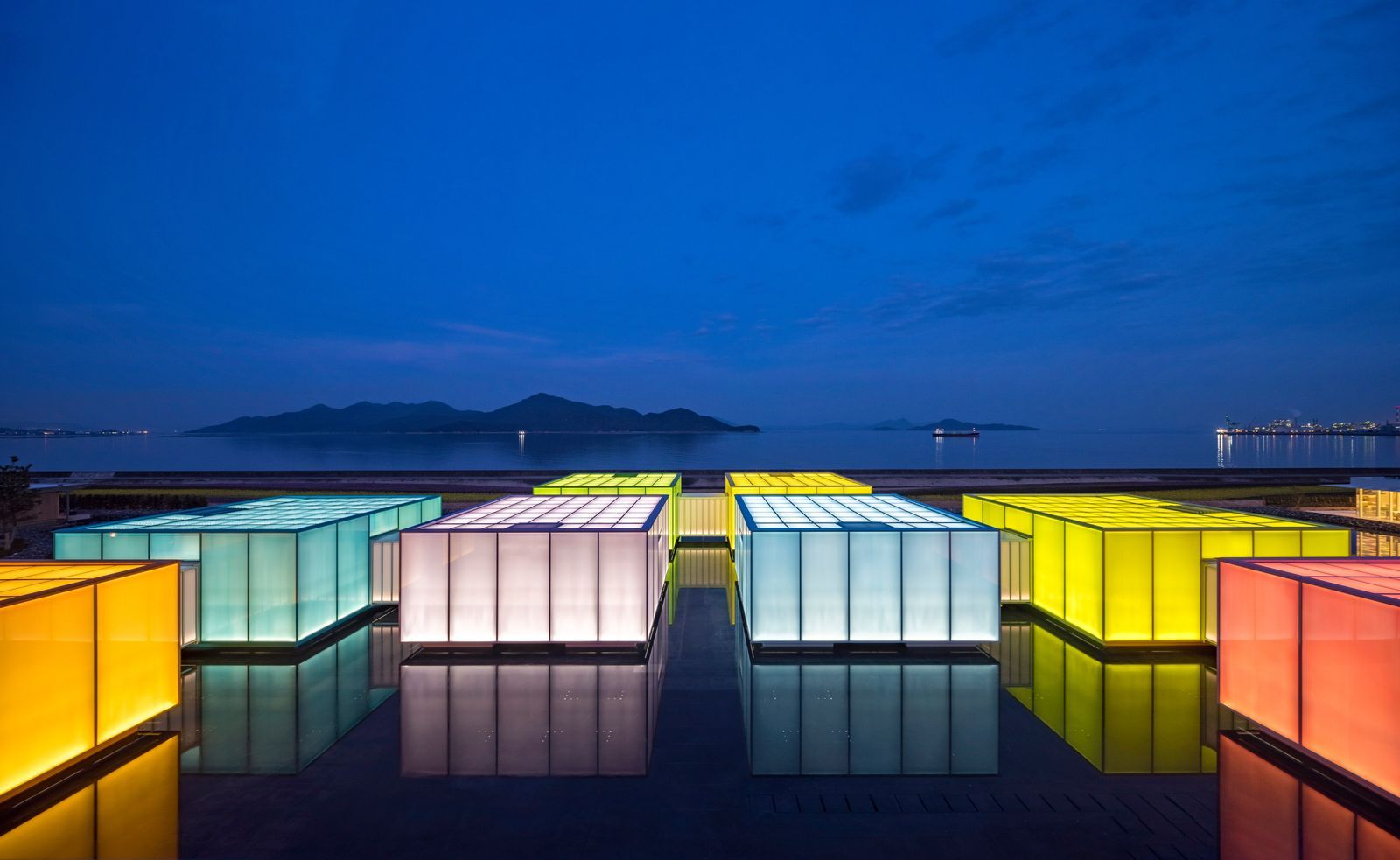
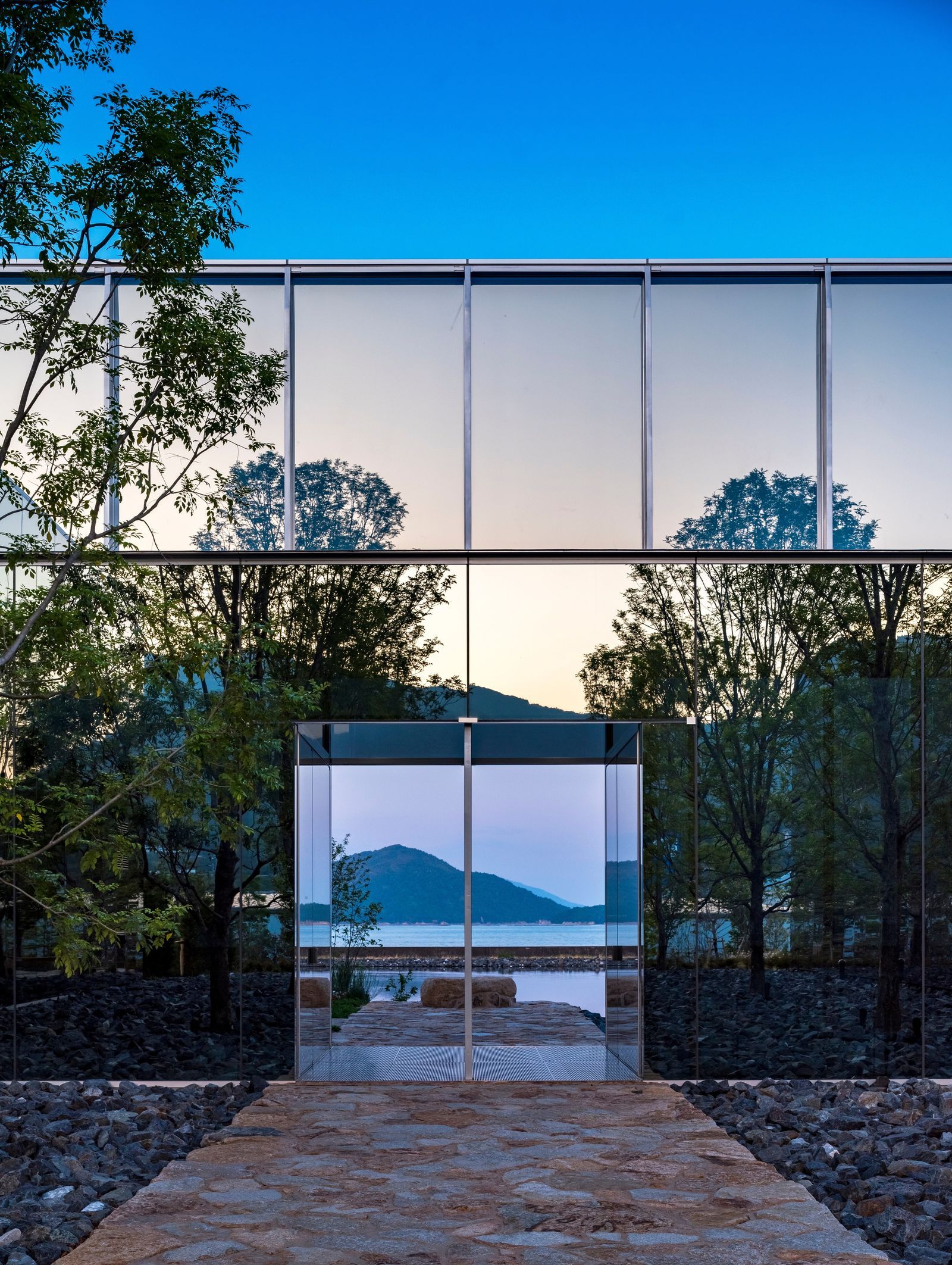
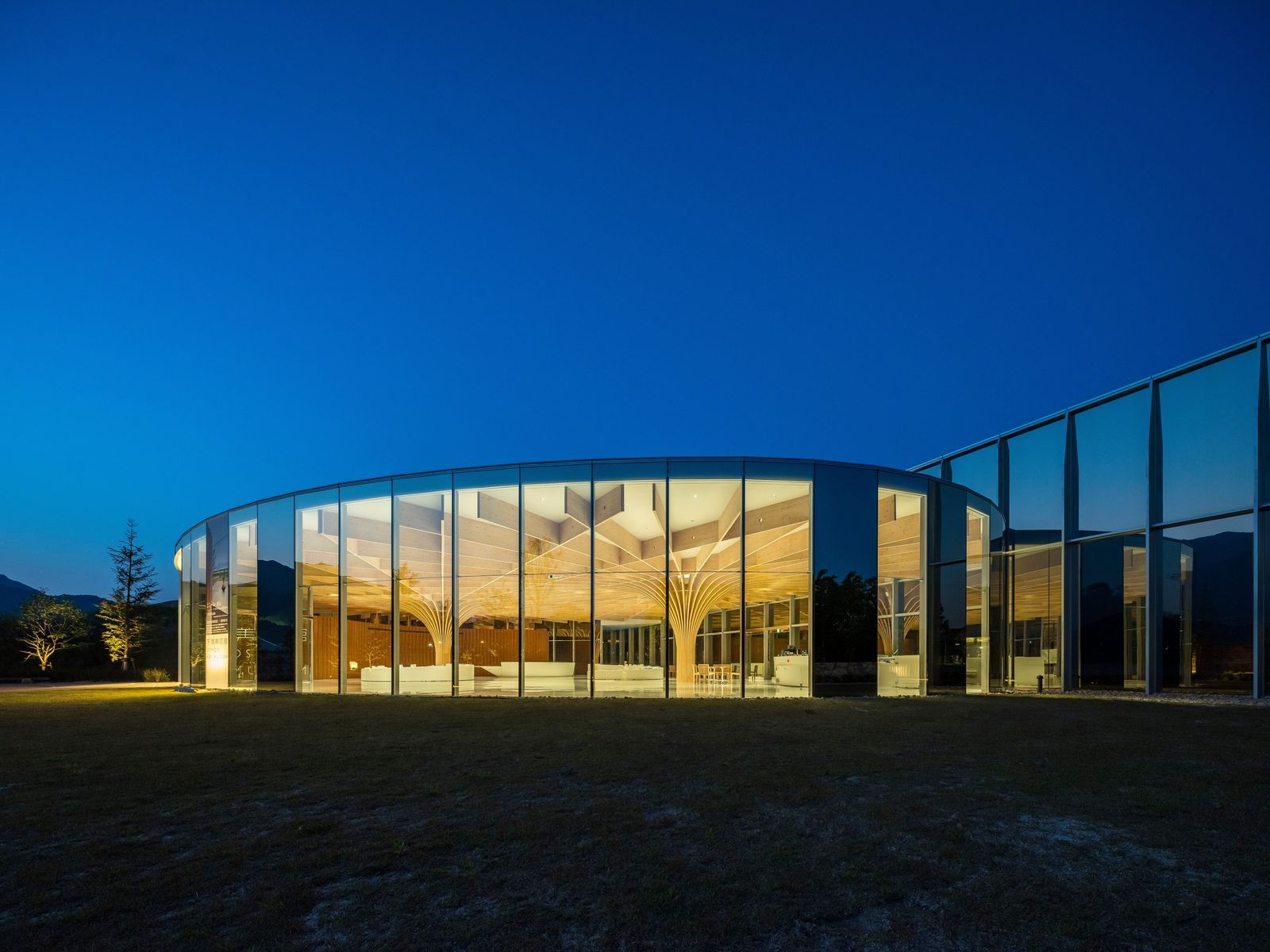
There’s a poetic beauty to Japan’s Simose Art Museum that’s hard to beat. Designed by celebrated architect Shigeru Ban, the museum takes the form of eight mobile galleries in multicoloured glass. These sit atop a reflective pool and form an arresting contrast to the surrounding landscape, which borders the Seto Inland Sea. At night, the museum is lit to a luminous effect; by day, it presents a vibrant scene with its contemporary garden of seasonal plants and flowers. Many of the latter were favourite motifs for the French Art Nouveau glass artist Emil Gallé, whose work makes up a significant portion of the museum’s collection (it also displays works by Matisse and Chagall, and a collection of Japanese dolls). From the rooftop, there’s a wonderful view of the Setouchi Islands, which partly inspired the arrangement of galleries on water.
Must Read: 11 Beautiful Expo 2025 Osaka Pavilions That Are a Must-See for Architecture Lovers
The greatest design stories from AD Middle East, delivered to your inbox

Polish History Museum, Warsaw, Poland
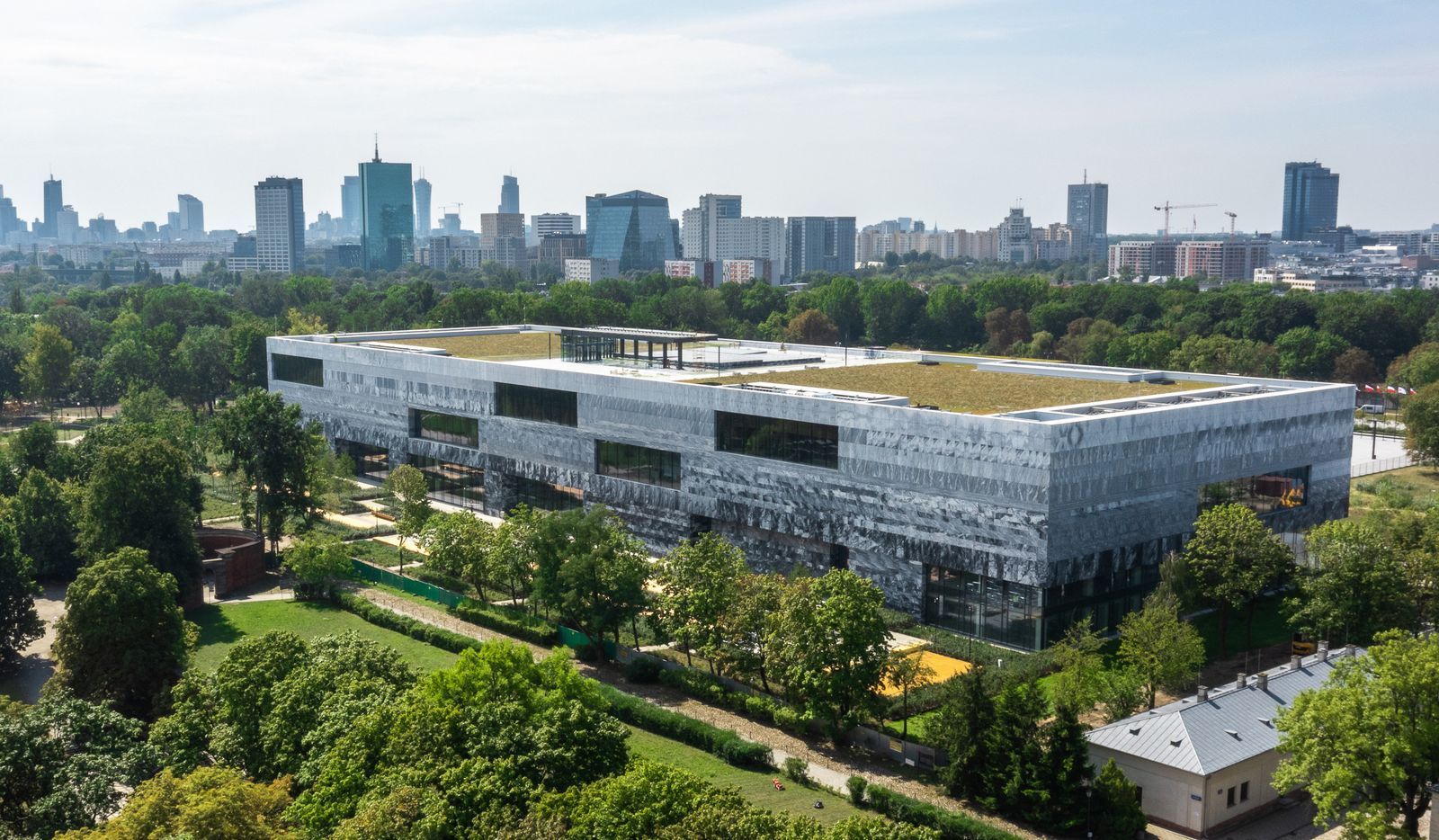
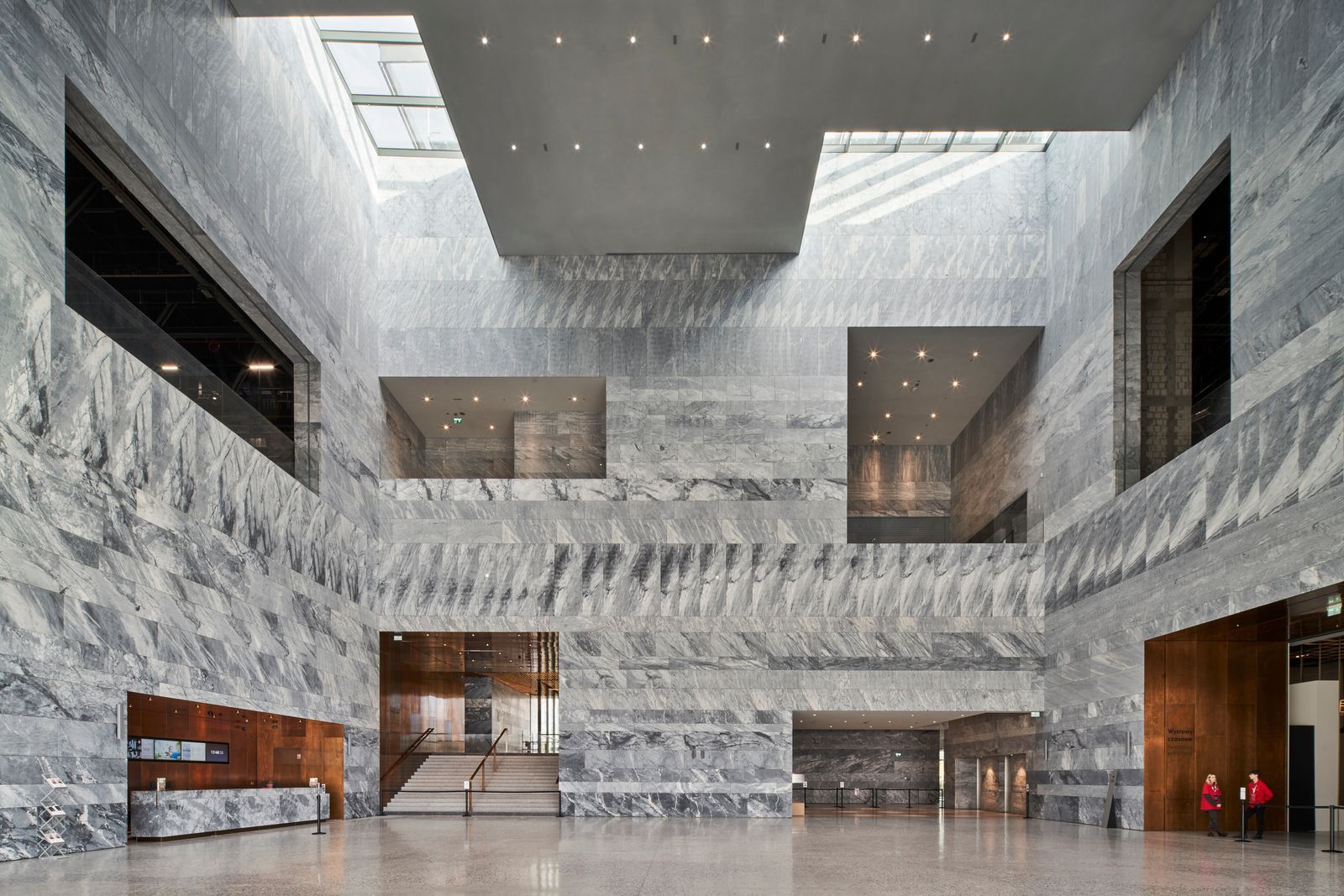
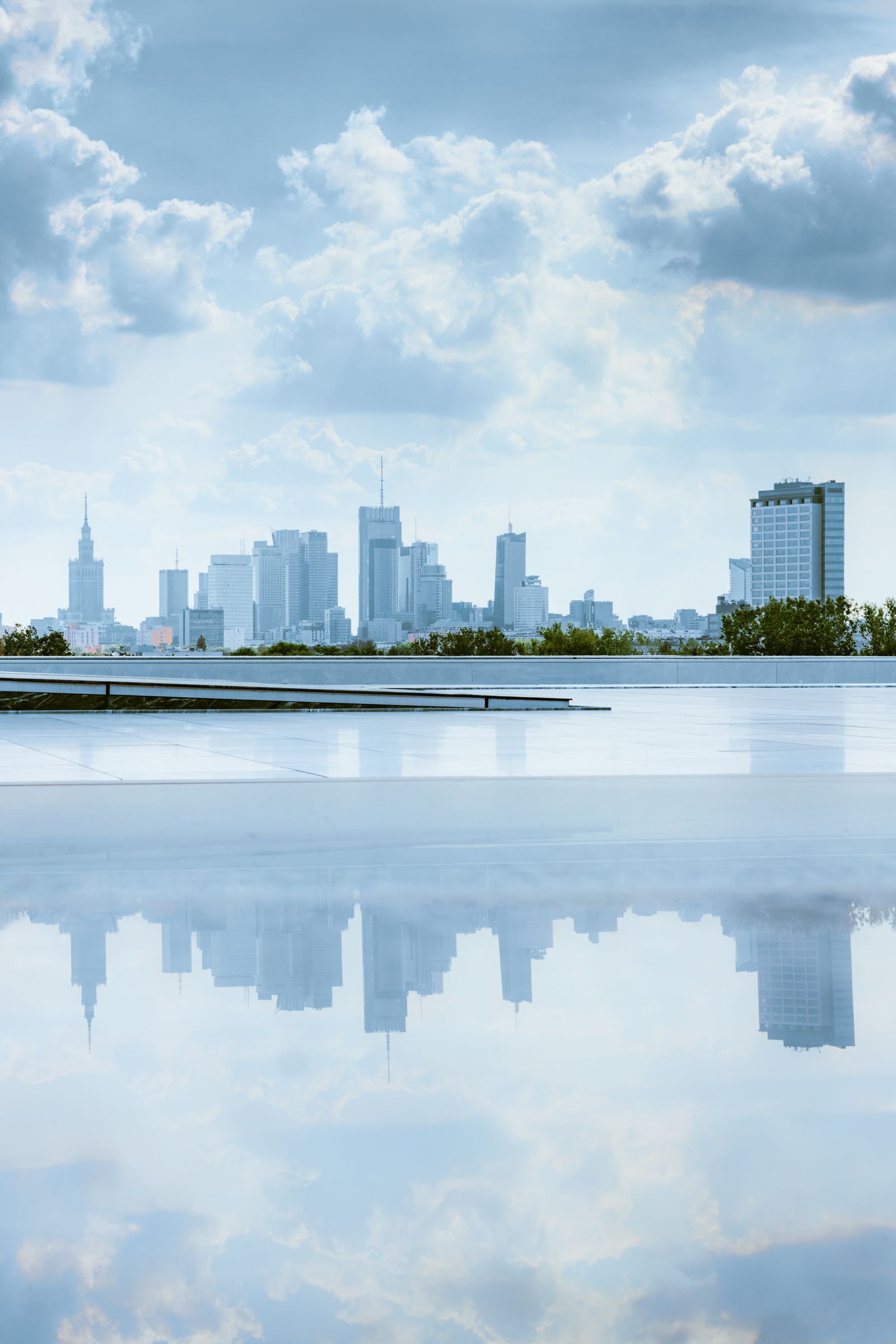
The Polish History Museum forms part of one of the biggest museum complexes in the world, occupying a site in the Warsaw Citadel next to the Polish Army Museum and the Katyn Museum. Its monolithic marble façade forms a dramatic contrast with the surrounding parkland, as well as referencing the layout of the barracks that formerly stood on the site. Local architecture firm WXCA has clad the new building in grey marble slabs arranged in contrasting horizontal strips, resulting in remarkable tonal and textural variations. As if to underscore this layered effect, relief patterns that represent an “archaeological cross-section” of Polish history are etched into the stone: they borrow from the design of bas-relief doors in Gniezno Cathedral, the decorations of St Sigismund’s Chapel in Krakow, and the Modernist Spodek arena complex in Katowice, among other buildings.