
Last year, we explored the rise of the “Euro Summer” and our growing obsession with the Mediterranean aesthetic. Since then, the internet has doubled down on the fantasy. “Euromaxxing” videos are dominating TikTok's feeds this summer, alongside sister trends like “Nonna-maxxing”, all built around a romanticised vision of European life. At its core, Euromaxxing is less about geography than it is about rejecting the culture of endless productivity. It's the aesthetic of long lunches that stretch well into the afternoon, espresso drunk slowly in a sunlit piazza, afternoon siestas, and the belief that life should be organised around enjoyment rather than optimisation.
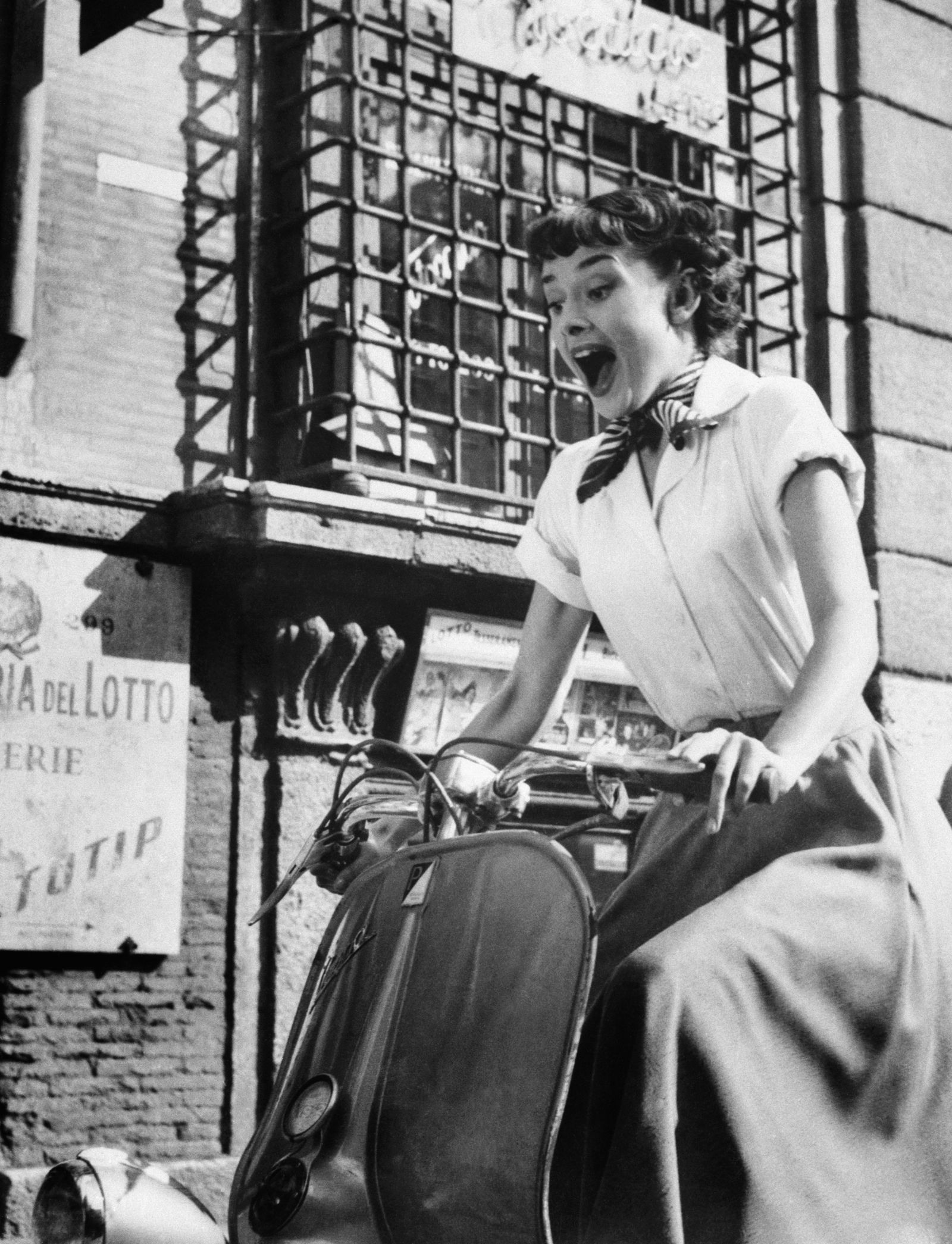
In a digital culture obsessed with ‘the grind’, the European summer has become an antidote. But our fascination with Europe extends far beyond the recent trend. The appeal of the Mediterranean lifestyle has been decades in the making, shaped by cinema, fashion, photography, architecture, and a collective longing for a slower, more beautiful way of life. Long before Charli XCX's Everything is Romantic, there was Audrey Hepburn gliding through Italy in Roman Holiday, Brigitte Bardot in Saint-Tropez, and Jacqueline Kennedy's summers in Capri. The fantasy has since been endlessly repackaged for new generations, finding fresh life in Anthony Minghella's The Talented Mr. Ripley, Simon Porte Jacquemus's Riviera campaigns, and the digital travel miniatures of photographer Sam Youkilis.
The greatest design stories from AD Middle East, delivered to your inbox
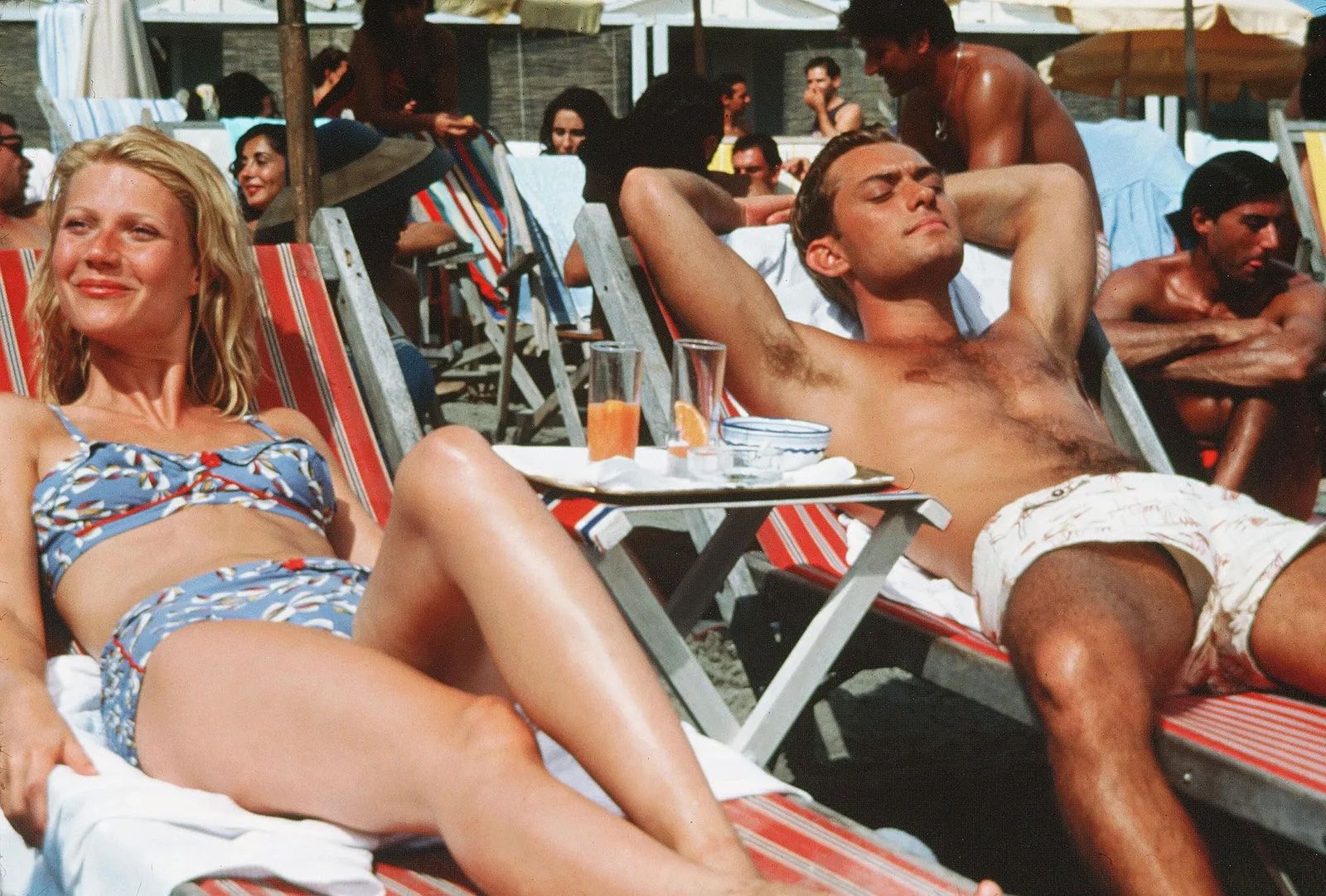
Our obsession with the Mediterranean, Italy especially, has only intensified in recent years, encapsulised in TikTok's “Euro Summer” phenomenon (in 2023 it was “Tomato Girl Summer,” and in 2024 “Amalficore”). All serve as a shorthand for the same fantasy: Aperol spritzes, picture-perfect white sundresses, and seaside seafood dinners stretching into endless golden hours.
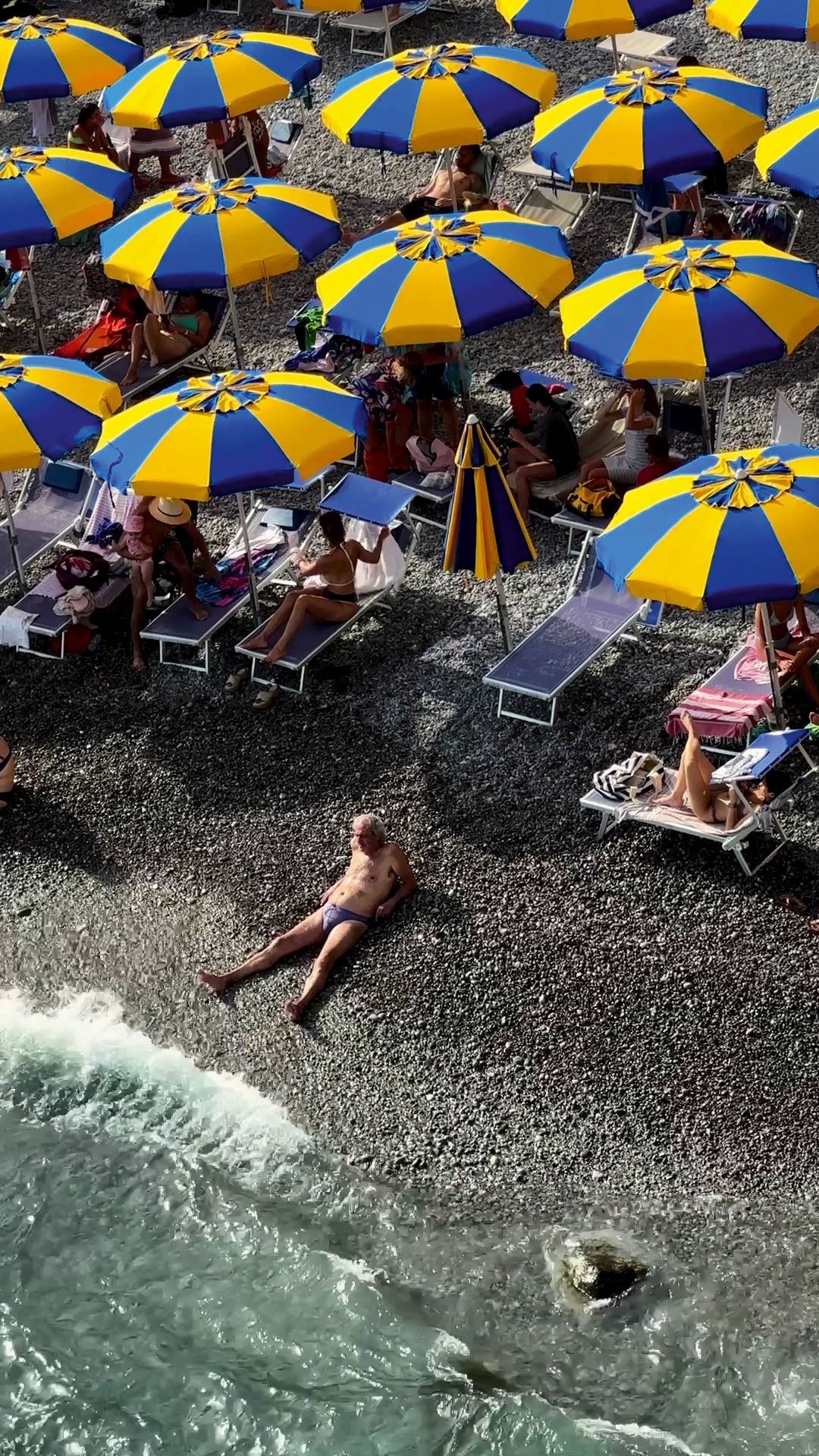
For Youkilis, this is immortalised in a series of images and short videos of life across the Mediterranean, a fantasy that piqued everyone’s interest in 2020, timing that proved perfect following a spike in post-COVID tourism, and maybe not coincidentally, the dramatic beauty of Sicily as seen in The White Lotus's Season 2, which premiered in the fall of 2022.
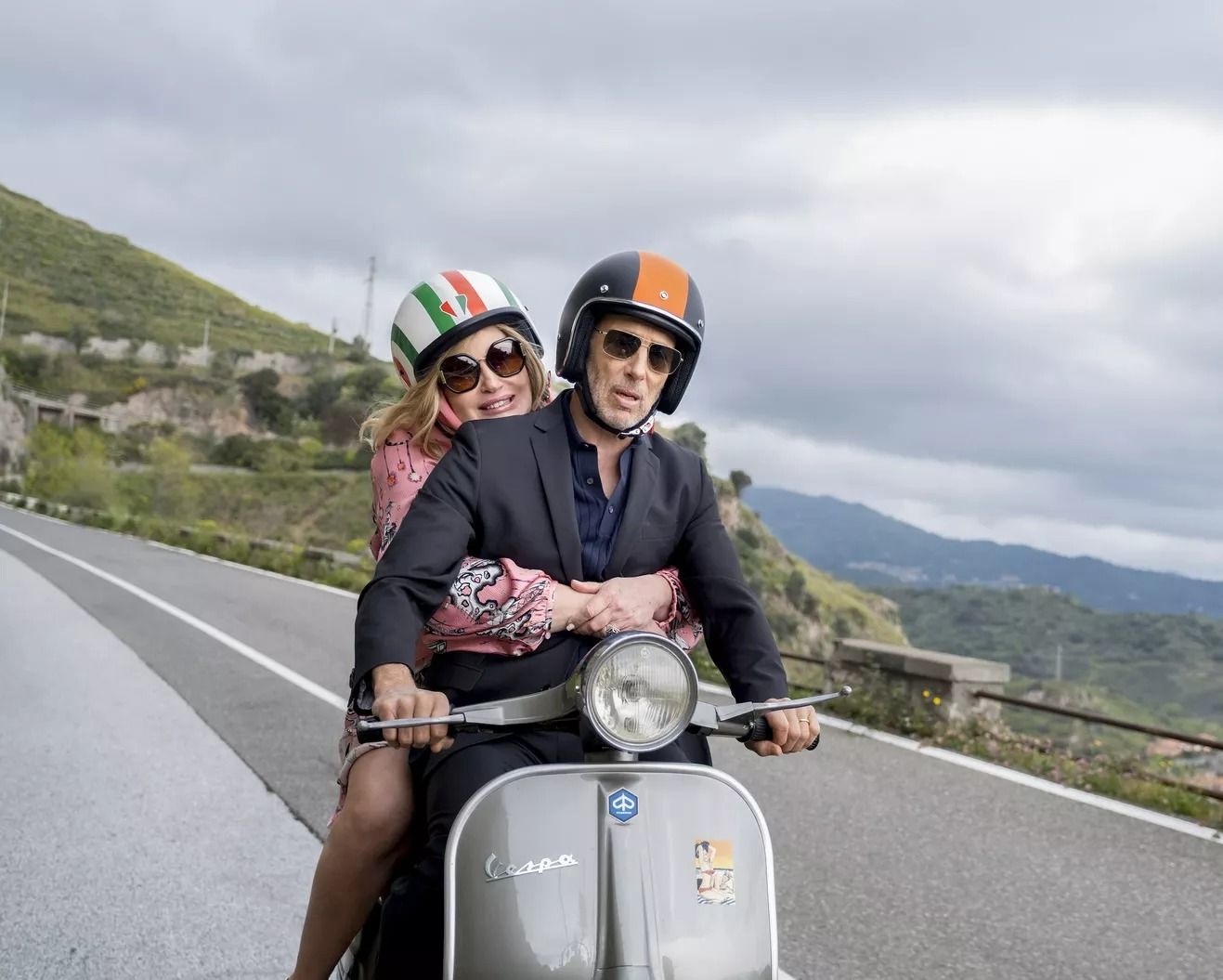
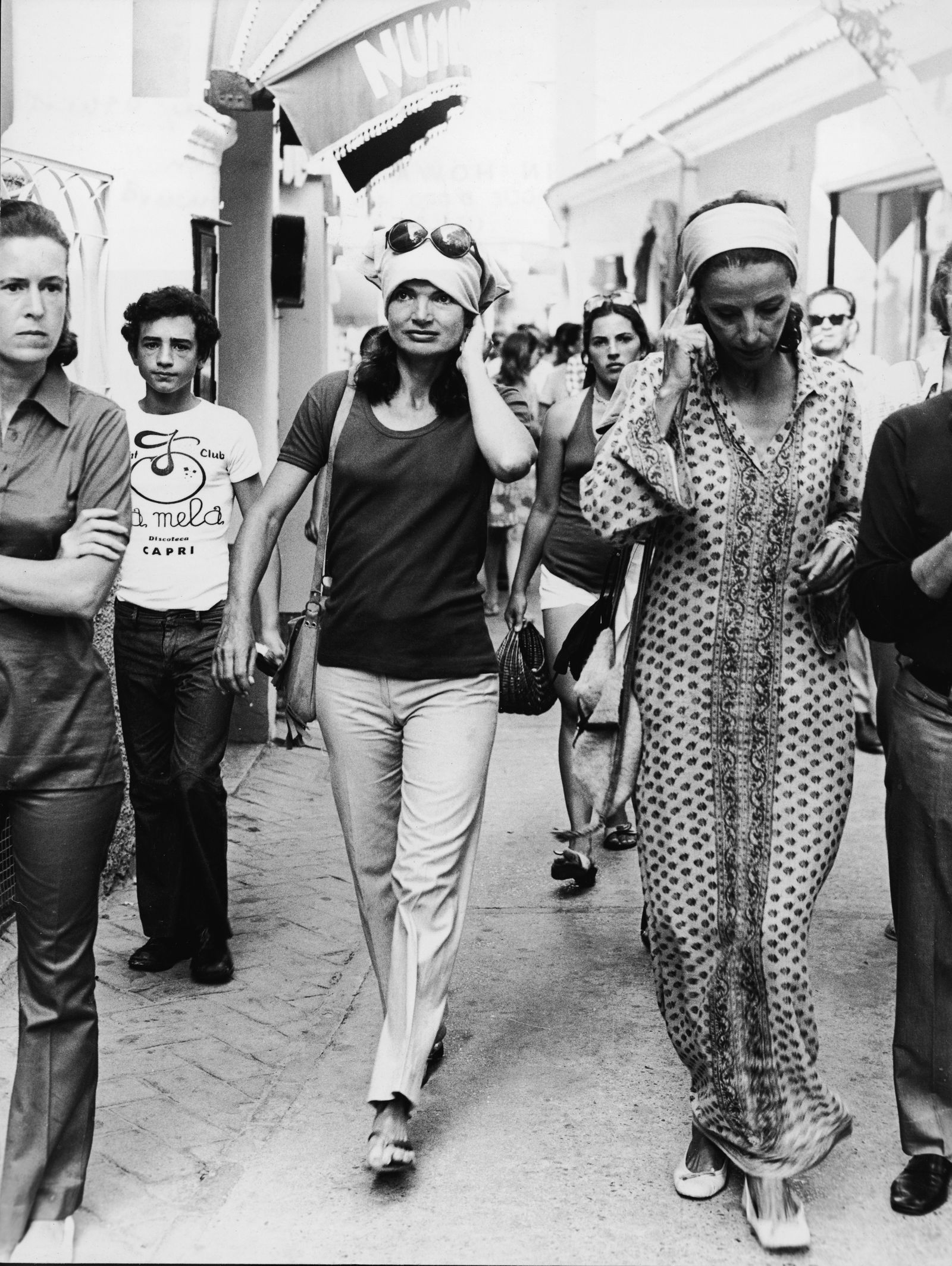
This aesthetic explosion didn't emerge in a vacuum – it builds on decades of jet-set mythology, when the Mediterranean was already the playground of international elites but still retained what seemed like authentic cultural identity, untainted by mass tourism or the relentless pursuit of modernity.
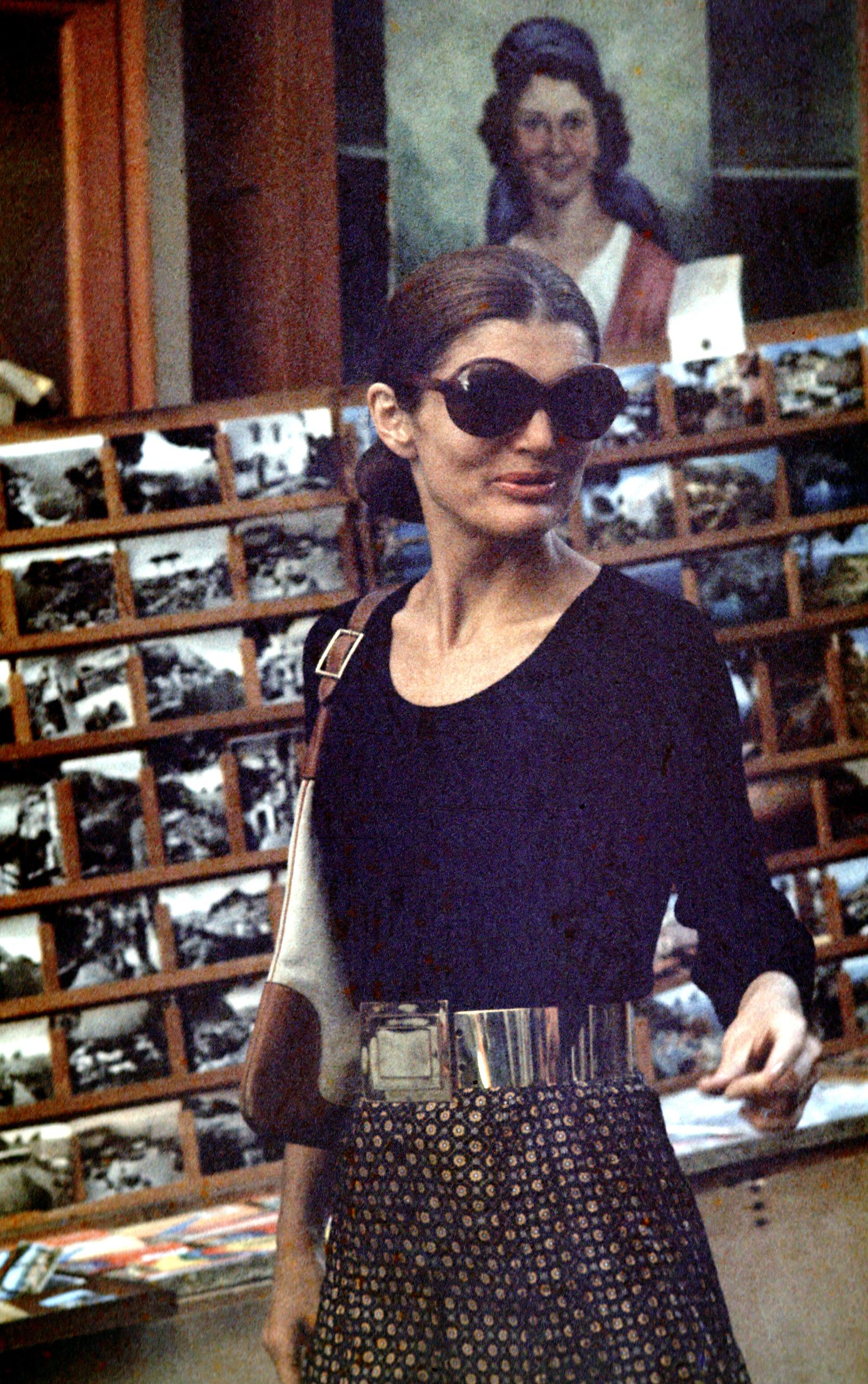
As a trend, it doesn't demand much psychological interrogation: it's curated escapism, an aesthetic ideal mostly packaged in the impossible idea of an endless summer, or the unattainable spectacles set in the sun like Jeff Bezos's $50 million Venetian wedding, or Kylie Jenner's European tour that seems to have followed. It's a sentiment that critic Lou Stoppard explored in an essay for Youkilis's debut photobook Somewhere 2017-2023, where she paraphrased Joan Didion: “Summer is faith. It gives a reason to push on, to have a reason to have a little conviction in oneself again.” This perpetual, sun-baked quality of Youkilis's work speaks to our collective need for optimism and renewal, something the Mediterranean aesthetic promises to deliver.
But the visual language of this idea runs deeper than social media trends and celebrities touting their wealth. It reflects a way of life and one that’s steeped in rituals of slowness, sensory pleasure, and togetherness. It’s a sort of cultural muscle memory, passed down through generations in an unspoken reverence for beauty in simplicity. And then, of course, there’s il dolce far niente, the sweet, unapologetic art of doing nothing at all.
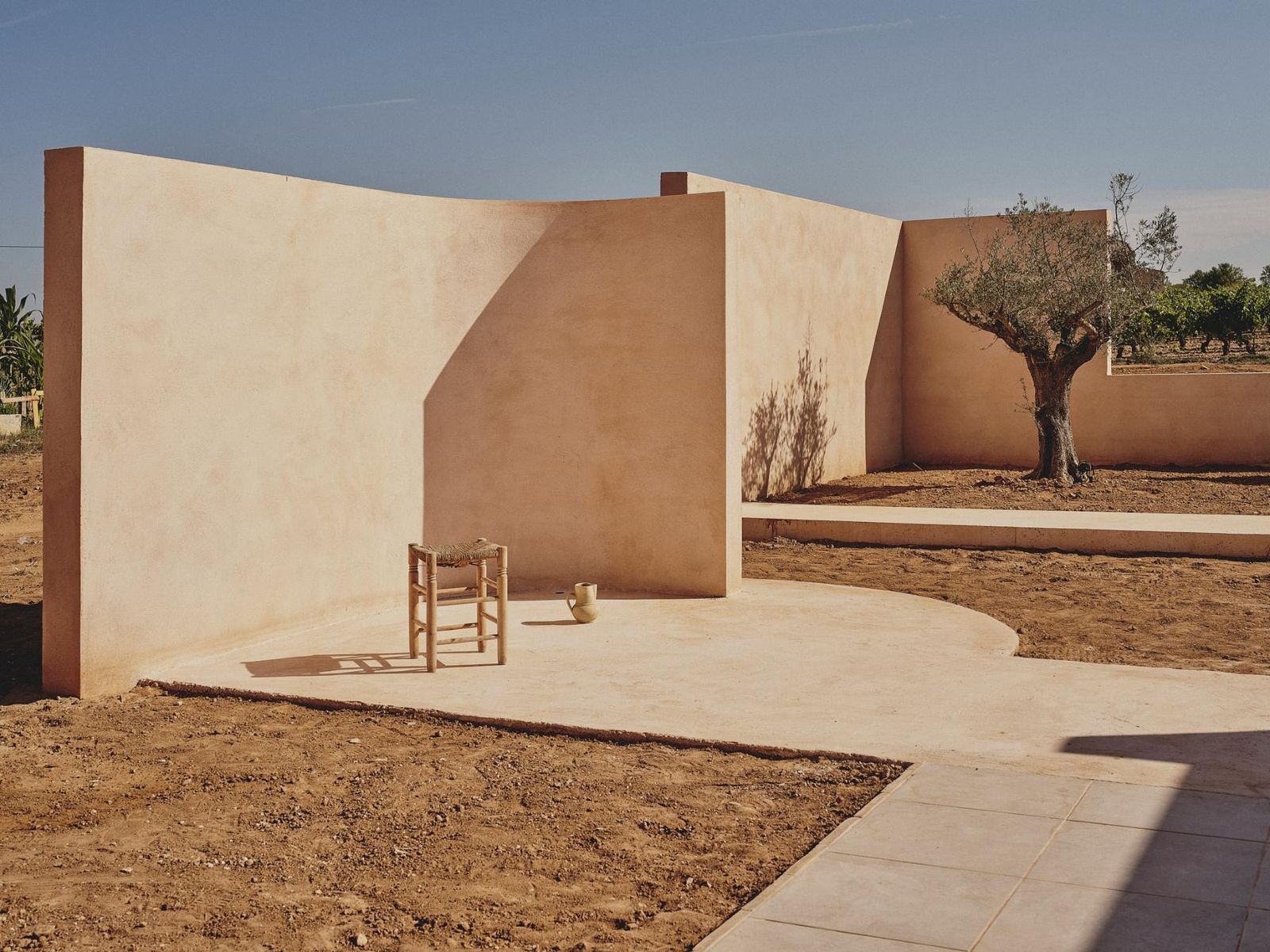
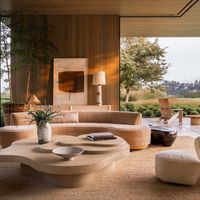
Architecture has a lot to do with it. After all, aesthetics are nothing without design. Sandy textures and whitewashed walls reflect sunlight and keep interiors cool while creating clean, airy spaces. Natural materials like reclaimed wood, stone, and ceramic tiles connect inhabitants to the landscape. In the bedroom, linen curtains billow in the breeze; in the living room, low-slung chairs invite idling; and in the kitchen, shelves are open, ceramics handmade, and food is still dictated by seasonal produce.
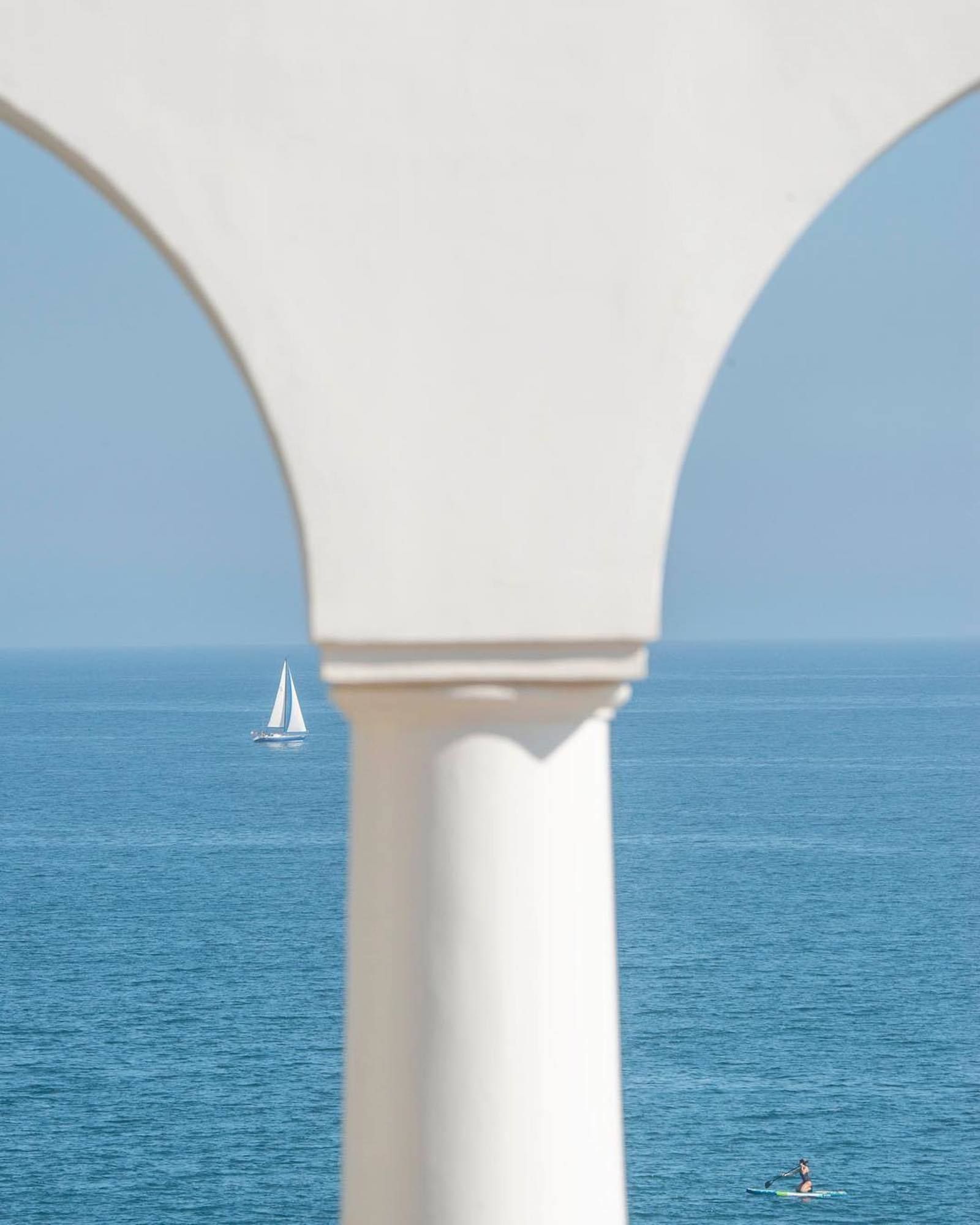
This disconnect from the making of things, whether food, furniture, interiors, or social experiences, has created a hunger for authenticity that the Mediterranean aesthetic promises to fulfil. Calabrian Artist Antonio Aricò embodies this very connection that so many seek. His work emerges from a deep relationship with place, craft, and the rhythms of Mediterranean life.
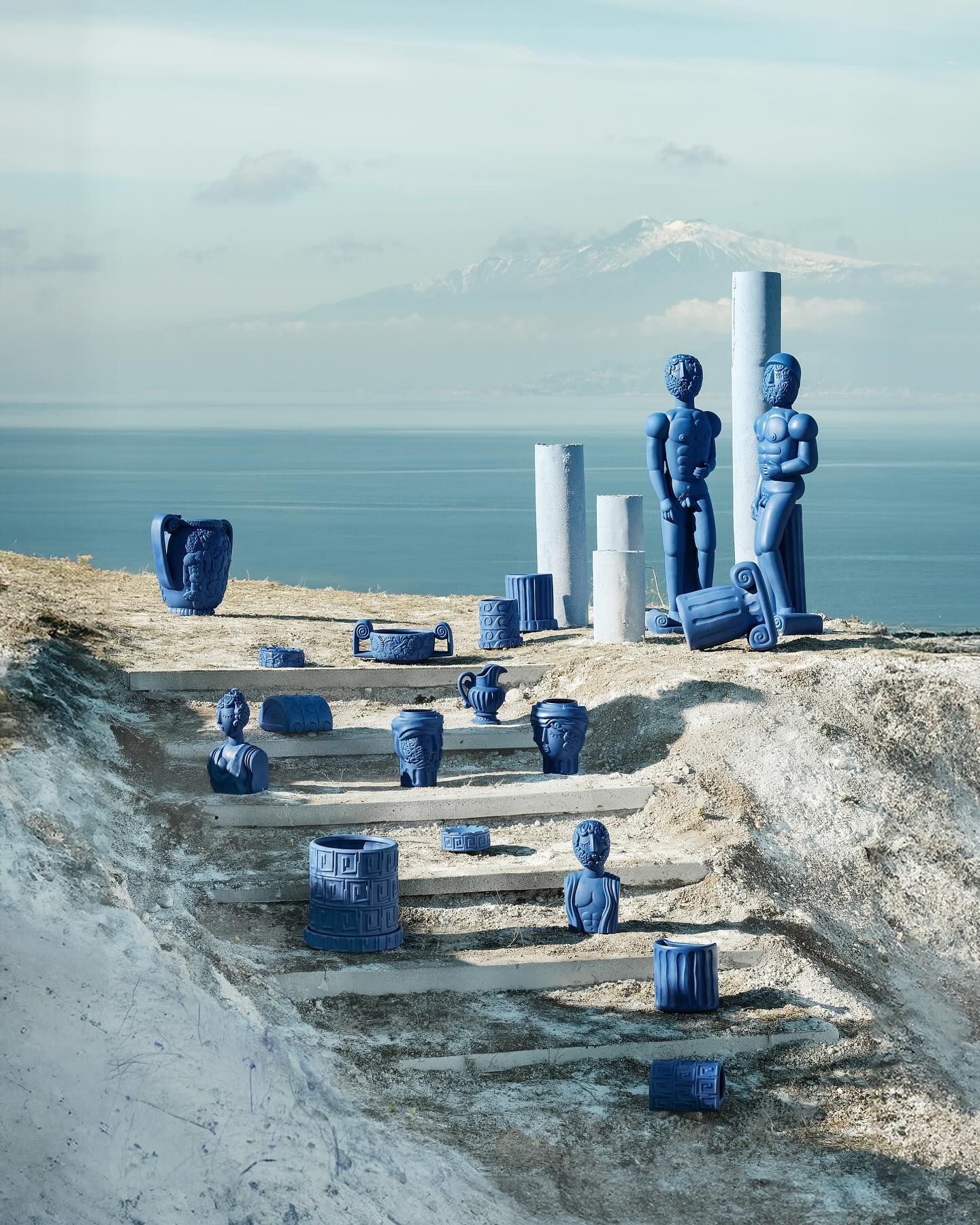
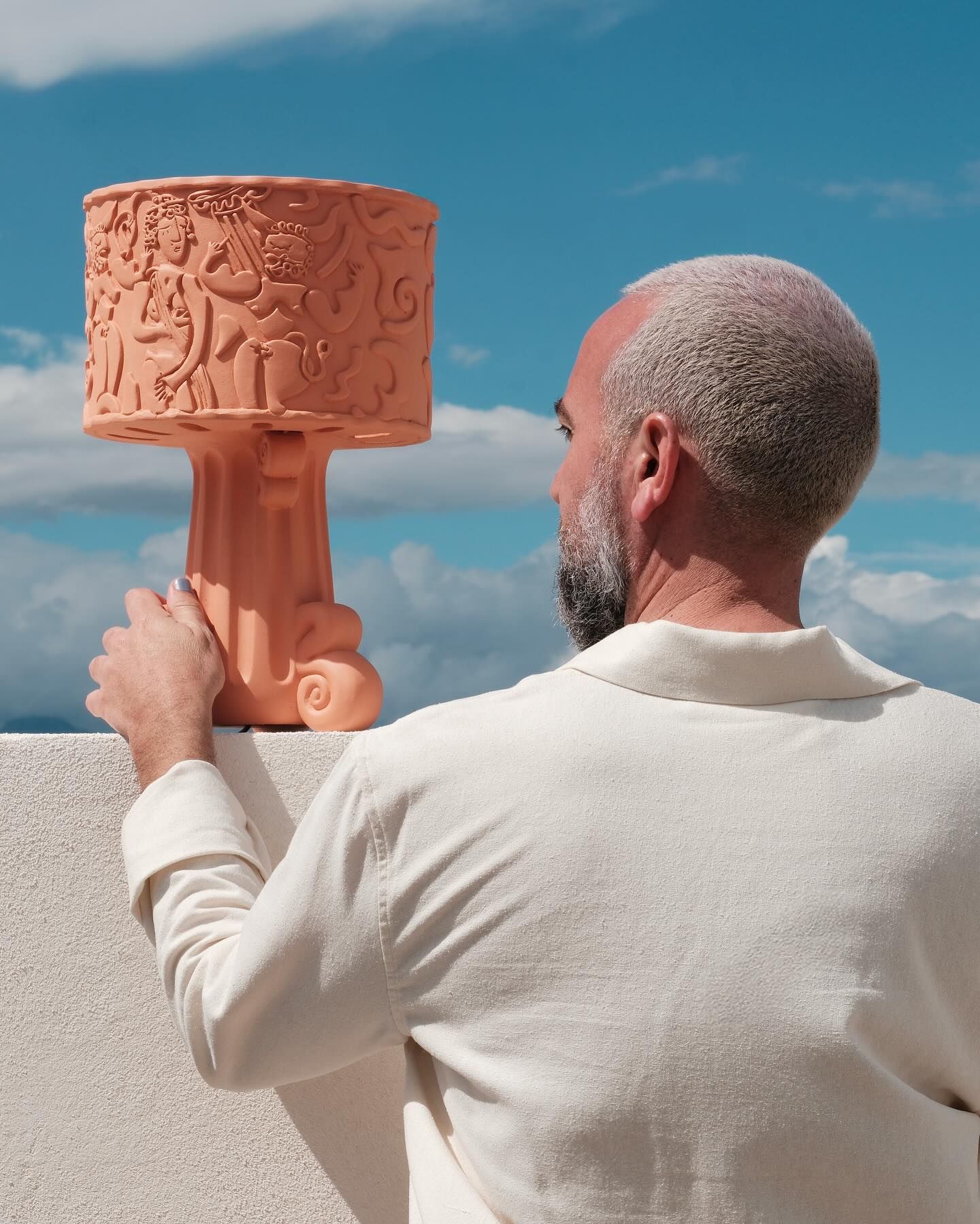
Through his practice, Aricò captures not the performative version of slow living, but its genuine essence: the patient cultivation of materials, the integration of artistic practice with daily ritual, and the understanding that authentic creativity flows from rootedness rather than restless pursuit. His art, which includes hand-carved wooden tables built for long, languid meals, and ceramic vessels steeped in coastal colour, becomes a meditation on the very qualities that the Mediterranean aesthetic commodifies: the luxury of time and the satisfaction found in making things by hand.
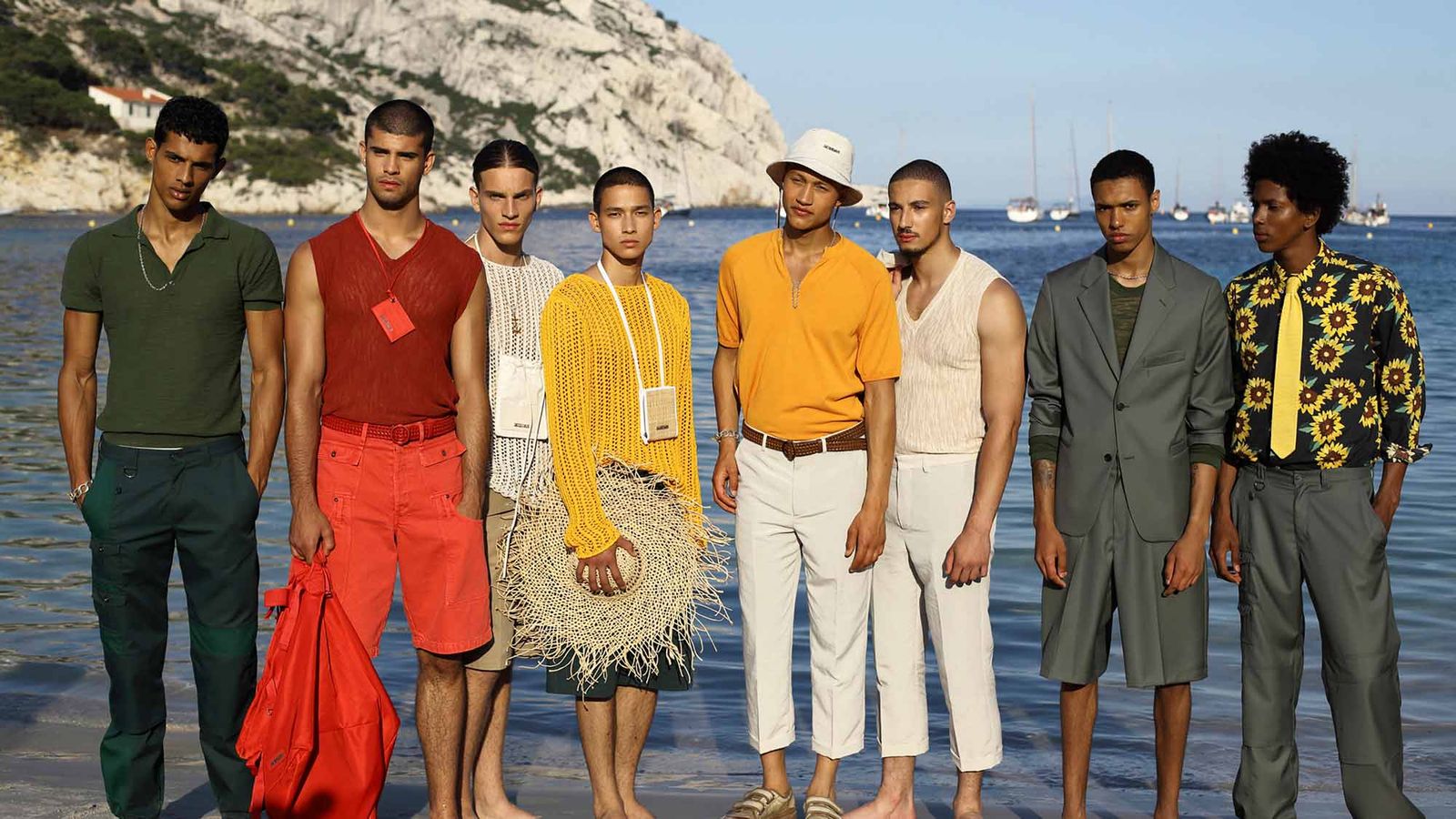
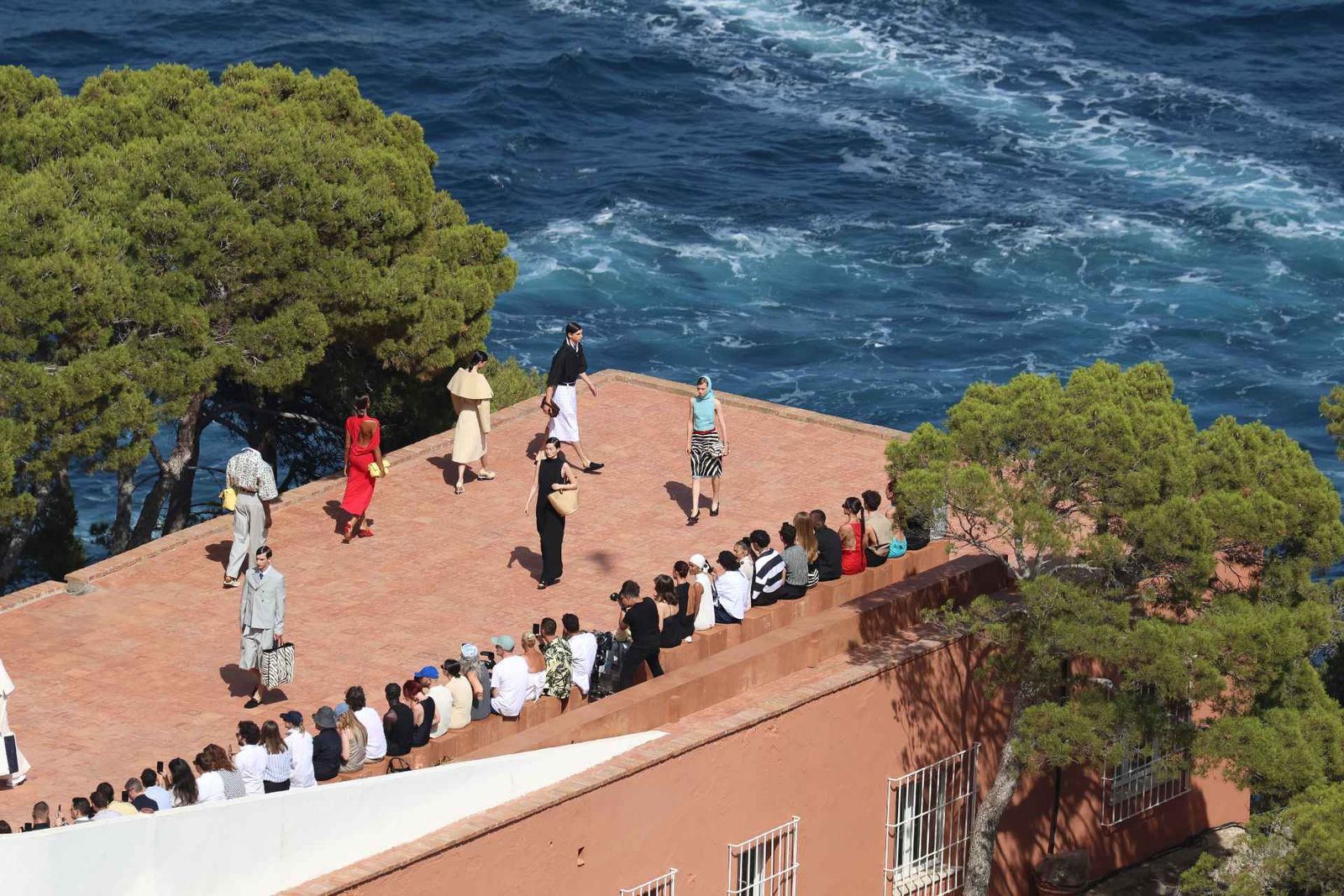
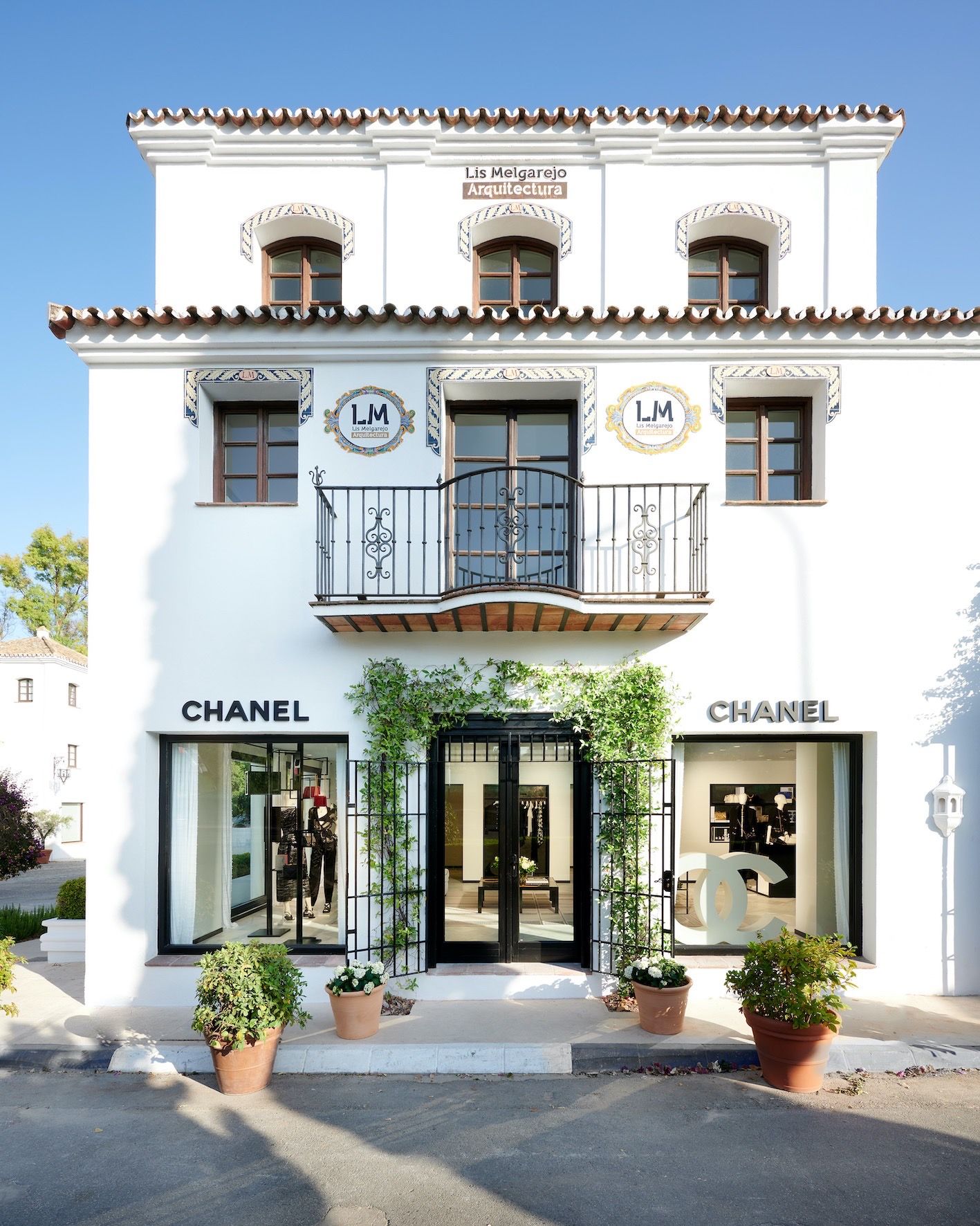
The fashion industry has made the most of this. Major luxury brands haven't just been inspired by Mediterranean aesthetics; they've made marketing plans based on them. Bottega Veneta opened seven boutiques across Portofino, Saint-Tropez, Capri, Forte dei Marmi, Mykonos, Marbella and Puerto Banus, essentially creating a luxury tourism circuit. Chanel, Dior, Fendi, and Cartier have followed suit, opening seasonal boutiques that turn Mediterranean destinations into branded experiences.
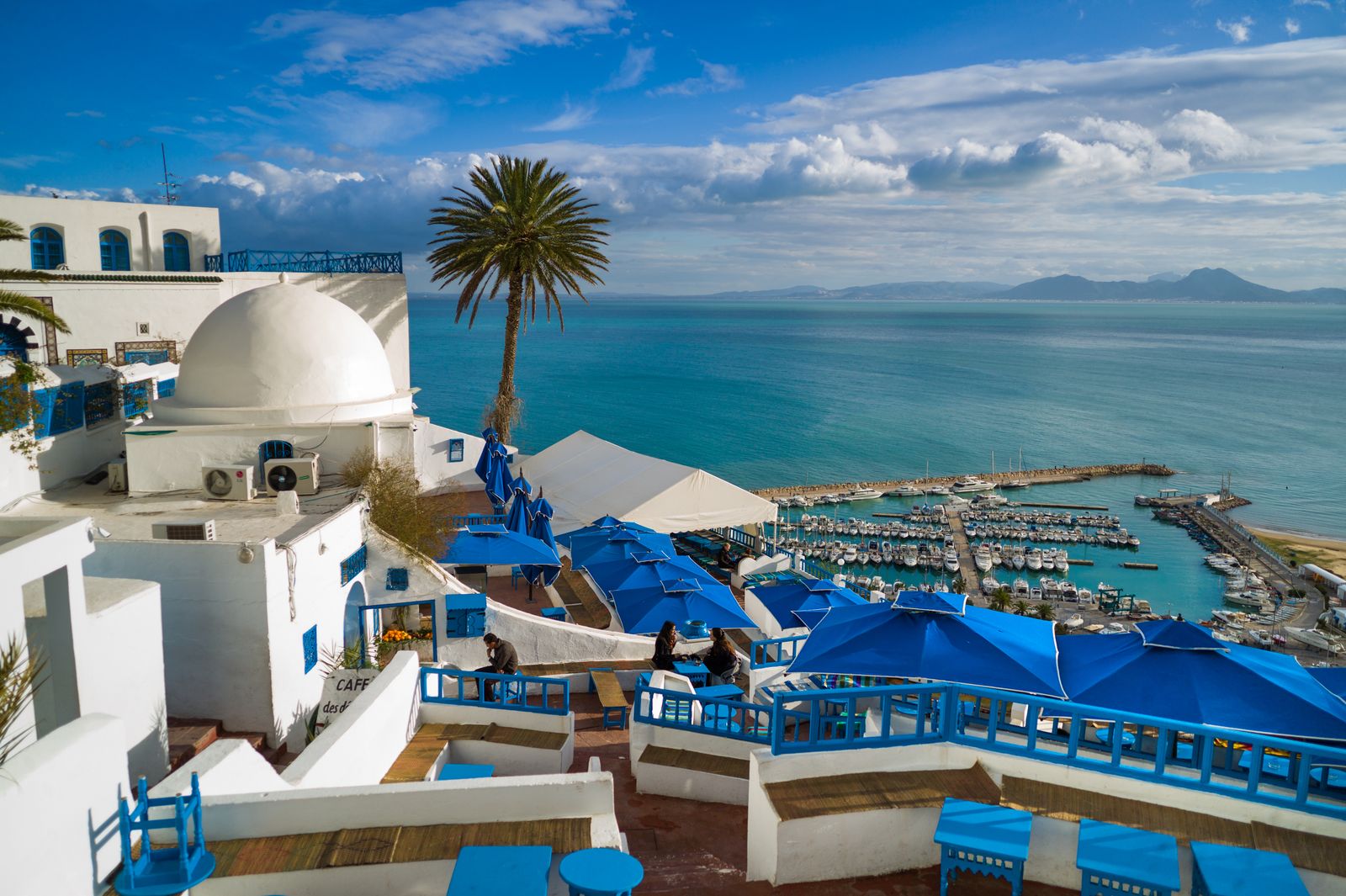
But what people might not fully appreciate is how these Mediterranean aesthetics draw from the sea's full cultural tapestry. From Andalusian courtyards in southern Spain to the blue-and-white villages of Tunisia, from Croatian stone houses to Turkish hammams, the aesthetic we now associate with 'Mediterranean style' represents centuries of cross-cultural exchange across 21 countries spanning three continents. Arabic interior design, traceable to 7th-century mosque construction, gave us the intricate tilework, arched doorways, and emphasis on warm hospitality which in part define Mediterranean style today. Moroccan interiors exemplify this cultural fusion, blending Arabic, Berber, and European design styles known for rich textures and vibrant colours. What we now recognise as “Mediterranean interiors” often seem inspired by the coastal regions of the Middle East and North Africa, incorporating whitewashed walls, terracotta, and natural materials that travelled westward through centuries of cultural exchange.
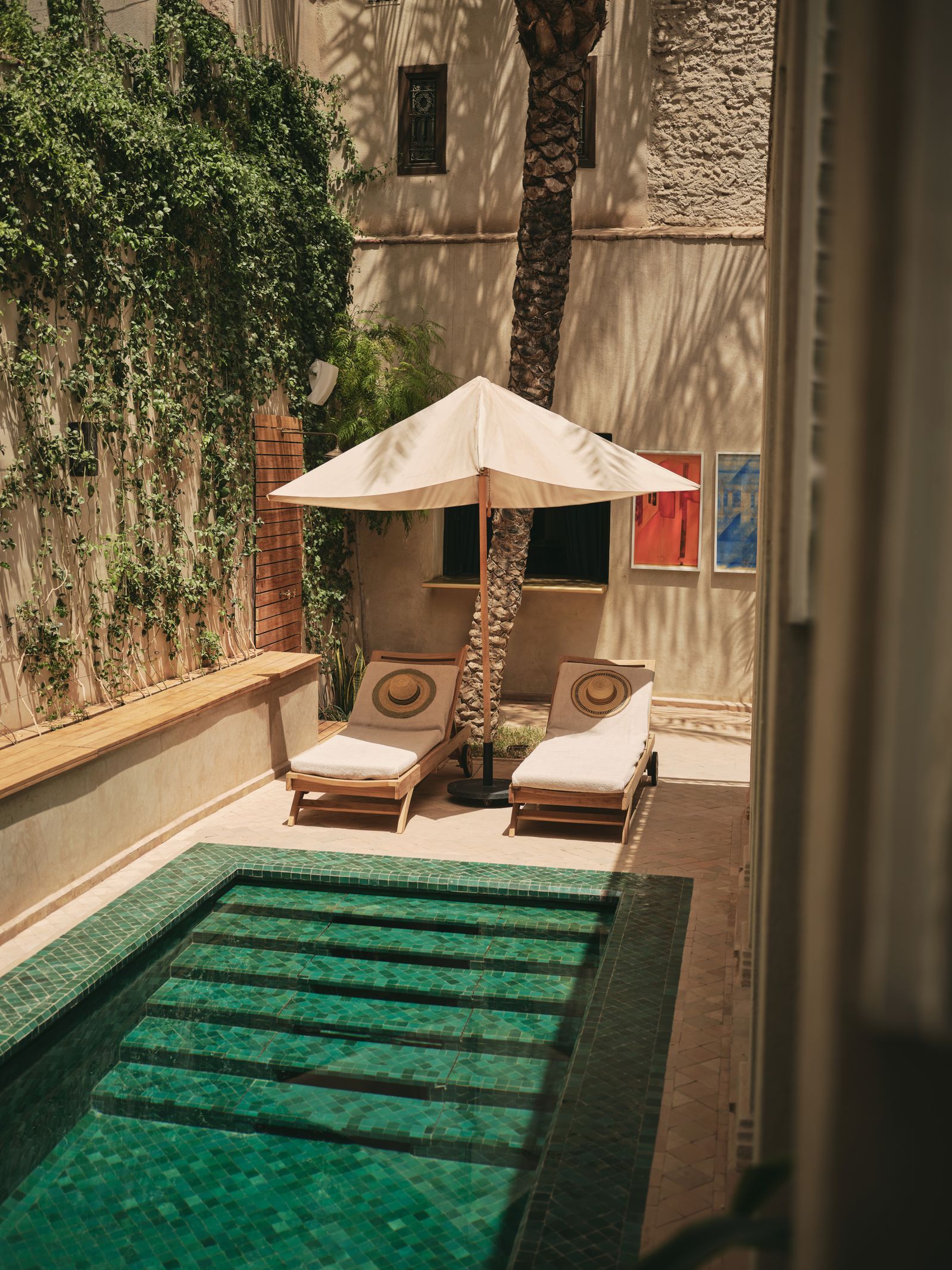
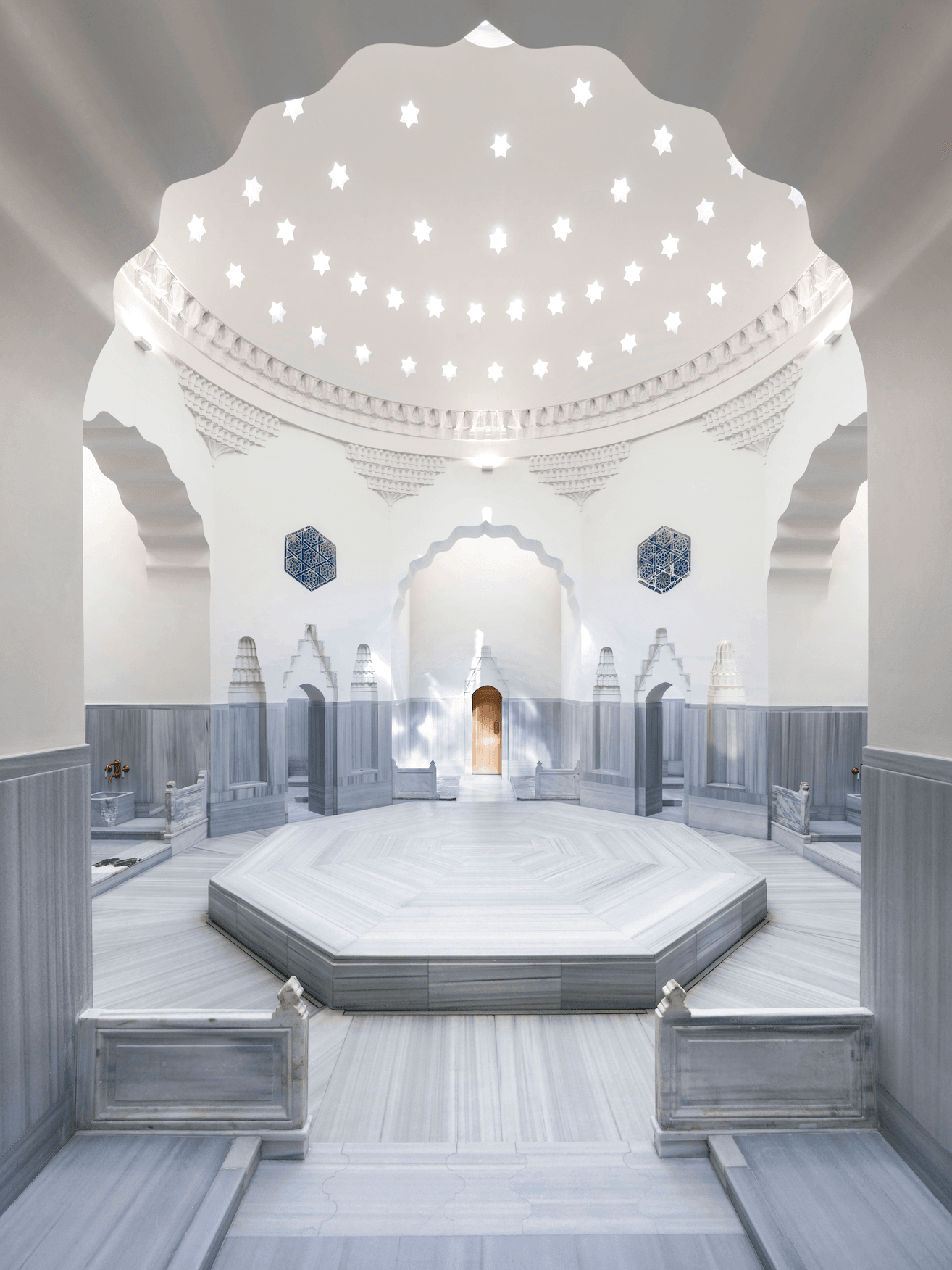
It suggests the Mediterranean aesthetic might be more universal than we think, connected to similar rhythms and flows found in other coastal cultures. Photographer Tanya Traboulsi, whose work captures the Eastern Mediterranean experience in her recent photobook A Sea Apart, offers perspective on this cultural continuity.
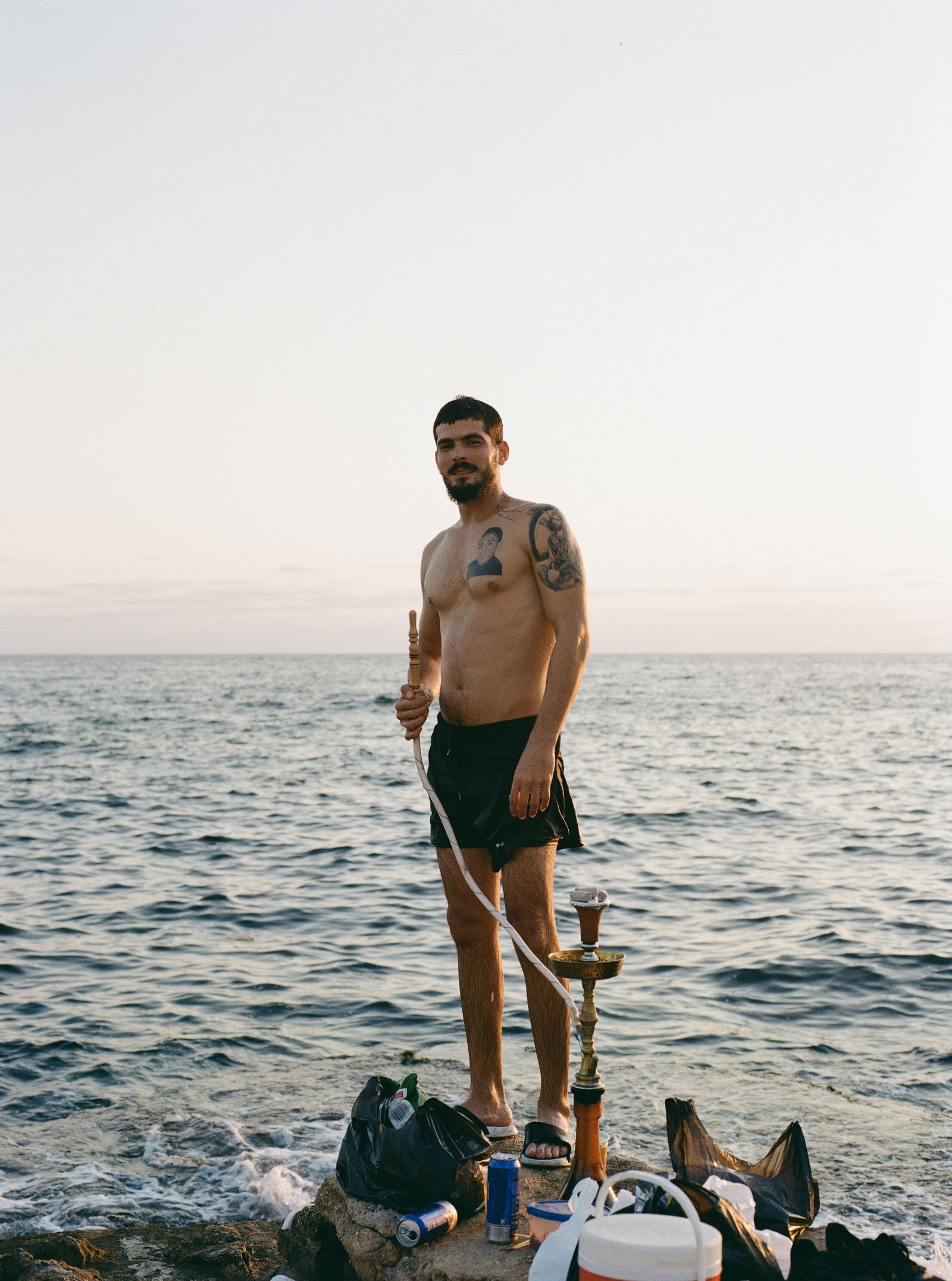
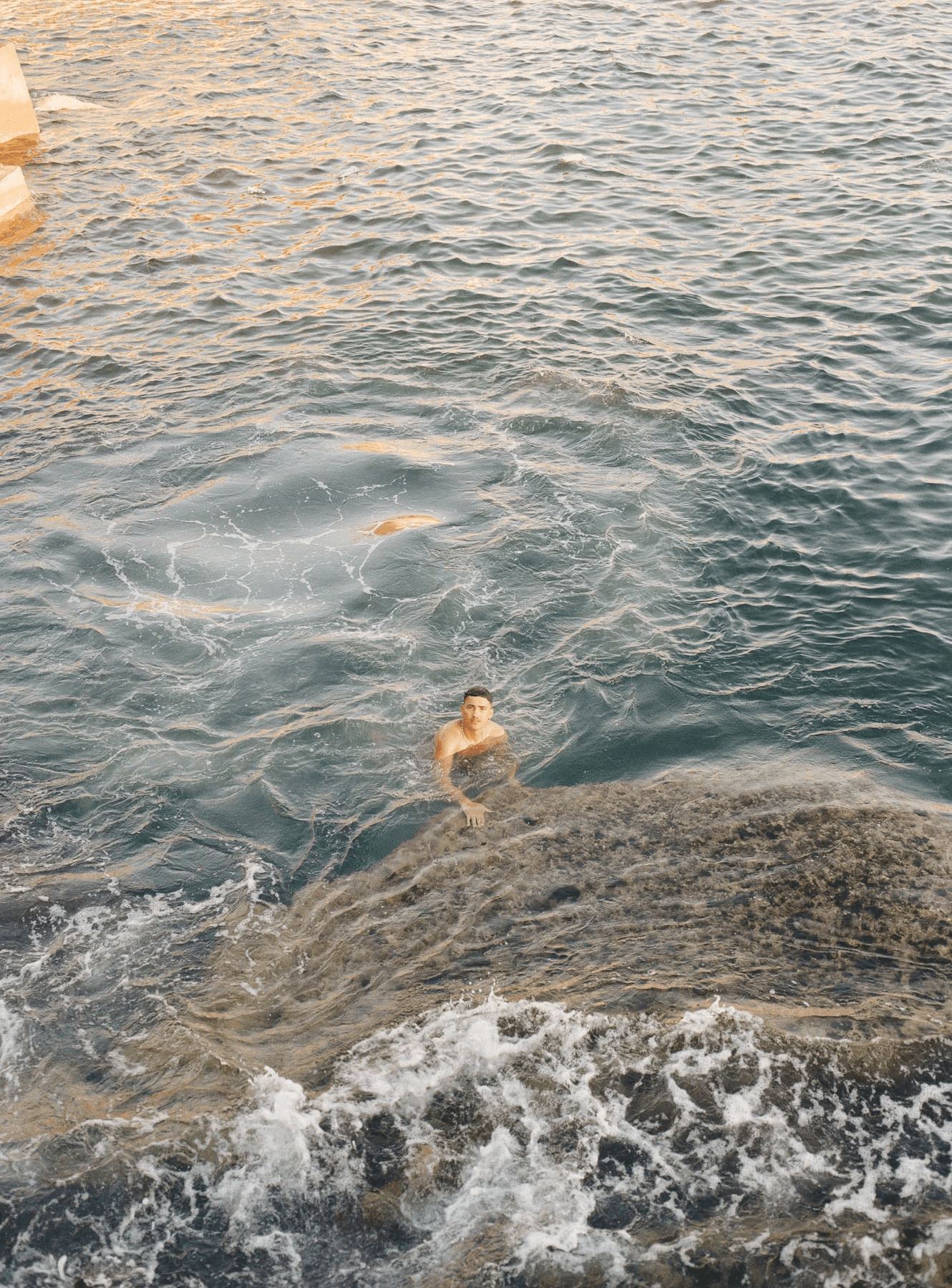
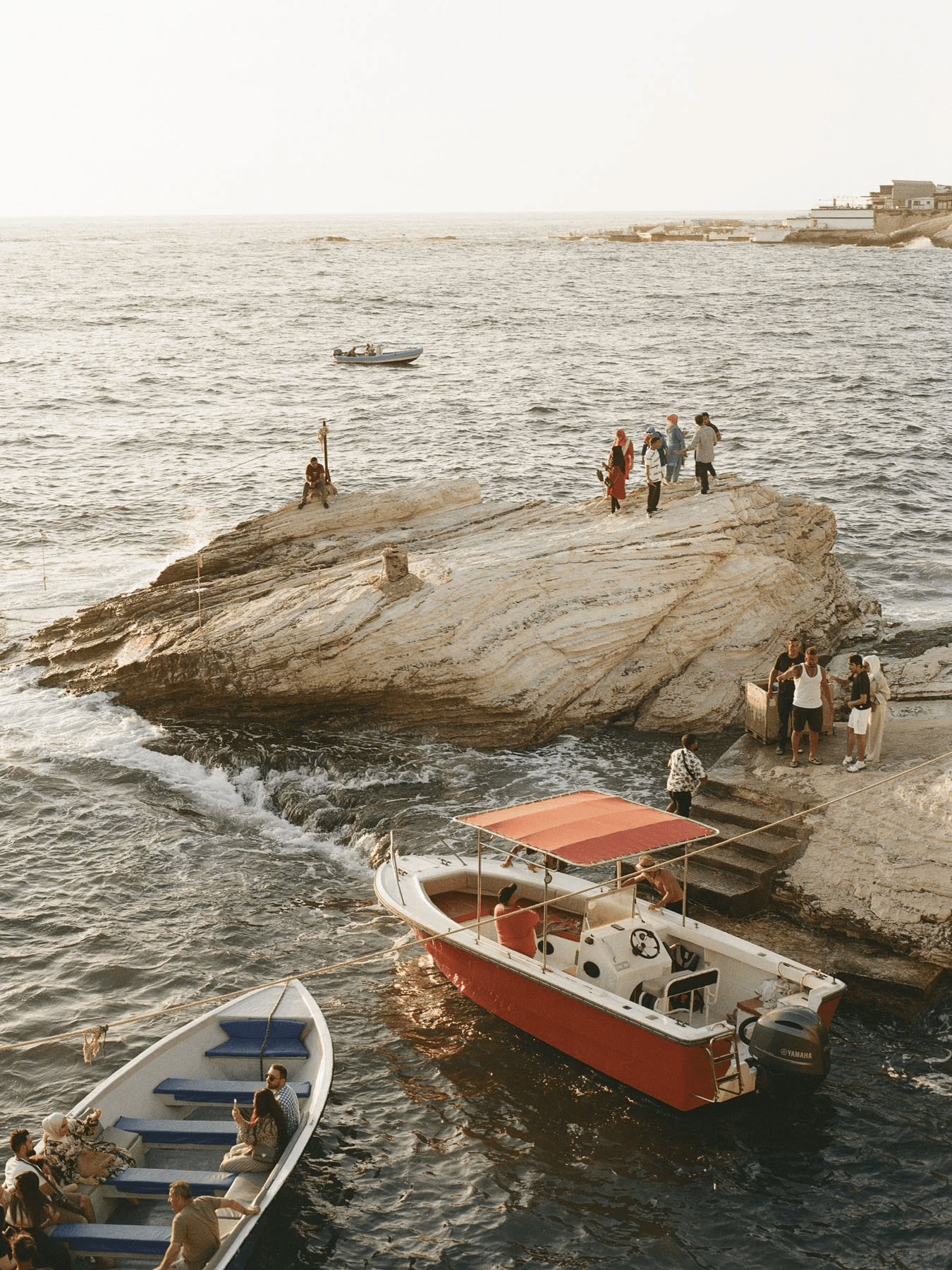
“Summer here isn't curated, it unfolds,” she explains about life on Beirut's coast. “The days stretch out gently, without urgency, marked by familiar gestures: morning coffee in the shade, fruit cut and shared, the hum of a fan, a swim at the end of the afternoon.” Her description reveals the gulf between performed and lived Mediterranean culture. While European summer content feels “curated, styled, mostly designed for the image,” Traboulsi notes that Eastern Mediterranean summers are “a little more chaotic, a little more improvised, and maybe more real because of that.”
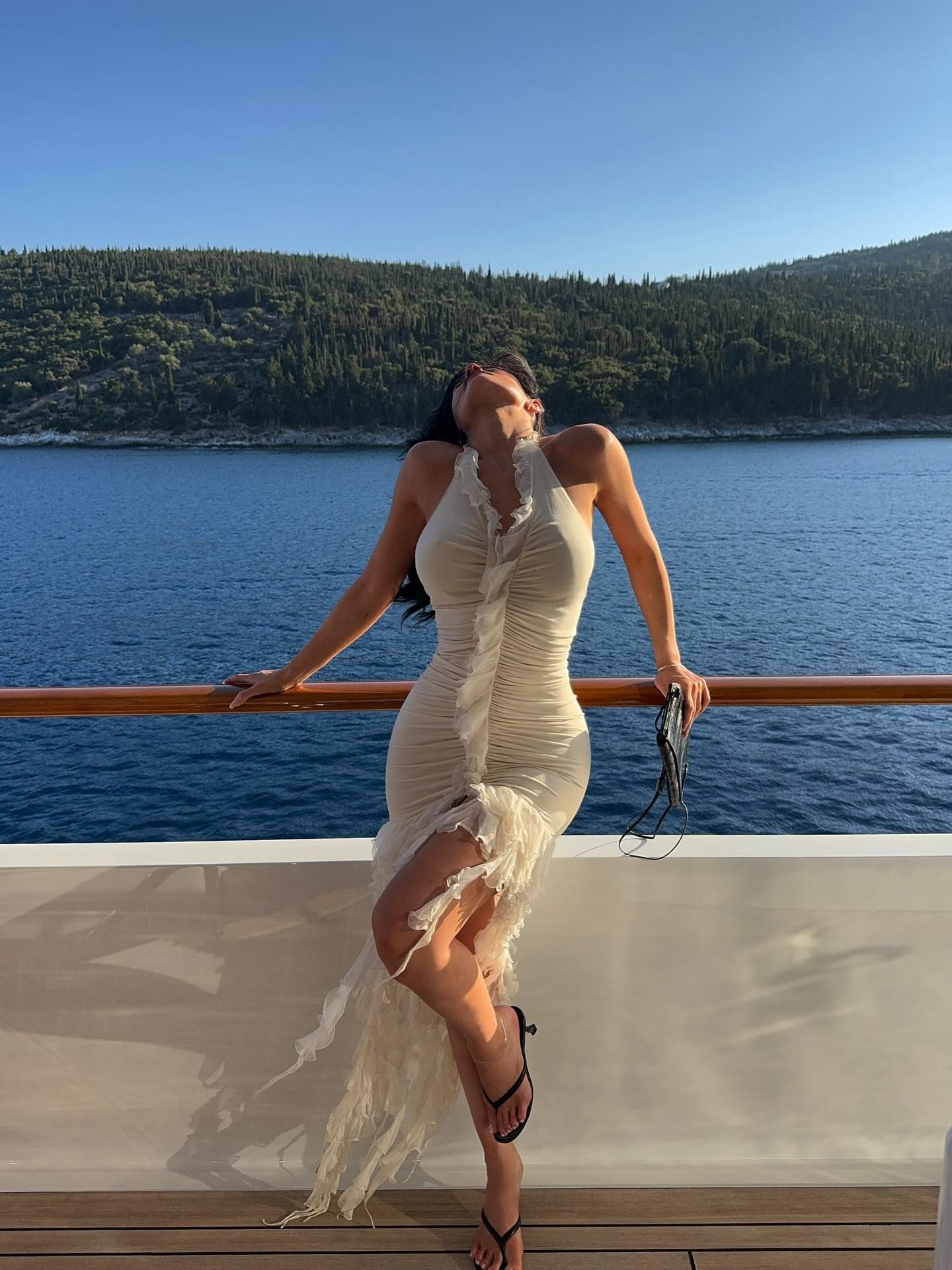
Euro Summer, or more currently Euromaxxing, as the average social media user will consume it, is a misnomer that's been packaged quite narrowly; this version tends to orbit Italy, Greece, and occasionally Spain, flattening centuries of rich regional difference into a single stereotype and ignores the cultural and linguistic diversity across the continent, not to mention the social and political complexities currently shaping life there and risks to life increasing temperatures (one of summer’s most cherished components) is having on communities.
Instagram content
“I'm not exempt, and as someone not from the Italian south, I am definitely listening to this feedback and incorporating it into my practice,” Youkilis acknowledged to Vogue, reflecting on criticism about his work's focus. “I also feel a responsibility to show the breadth of culture around the Mediterranean if I want to set a lot of my work there, but the scope, settings and subject of my broader practice go way outside of and beyond the Mediterranean.” His awareness of these limitations points toward what might be the deeper truth behind our Mediterranean obsession.
The only commonality across these cultures is the ritualised slowness and luxury of stillness. In Mediterranean cultures, relationships are everything. Families remain close-knit, friends gather for regular coffee breaks, and even strangers are met with warmth and curiosity. It’s almost an alien concept in the West, but socialising isn't squeezed into a packed schedule. This unhurried pace of life has been cherished for generations, standing in stark contrast to our hyperconnected lives.
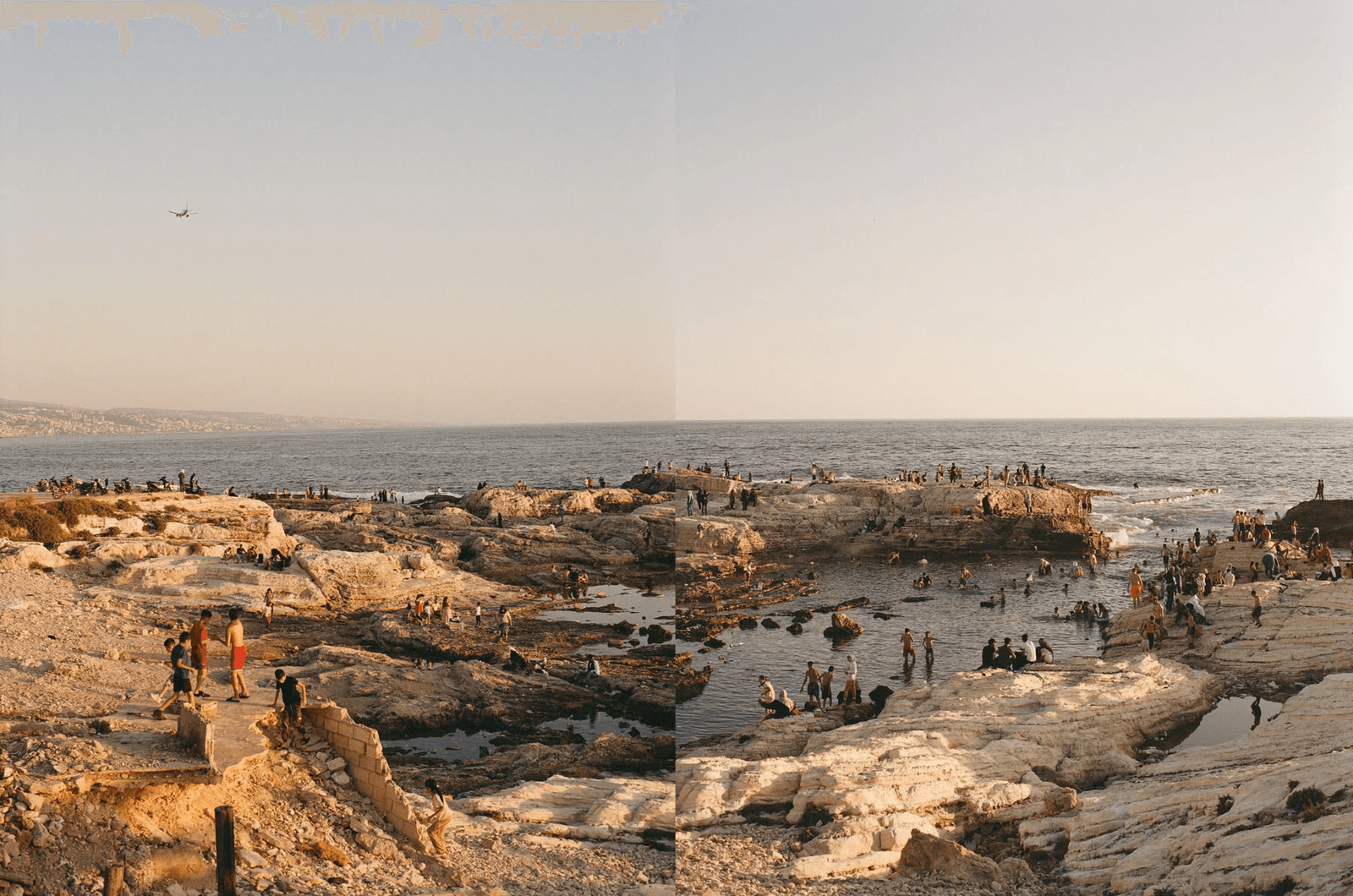
These threads run through the daily rituals of other coastal locales, too. As Traboulsi reflects on her Eastern Mediterranean experience: “It's always been a place of contradictions: beauty and decay, light and weight, past and present all existing at once.” Her photobook A Sea Apart captures this authentic rhythm – not the performance of leisure, but its genuine practice. “Despite everything, Beirut still manages to reveal moments of magic. It's these moments I seek when I walk through the city with my camera, trying to chronicle the quiet beauty that persists amid the chaos.” This is what we're really seeking when we scroll through Mediterranean content: not the aesthetic itself, but the promise of a different relationship with time, with our surroundings, and with each other.
The irony is that our digital hunger for this romanticised ideal of “slow living” keeps us perpetually online, consuming curated stillness rather than experiencing it. So, perhaps the real Mediterranean lesson isn't found in the perfect linen dress or whitewashed wall after all, but in the radical act of embracing il dolce far niente – wherever you are. Although admittedly, a gorgeous sunset and the sound of waves fading in and out wouldn’t hurt.
The greatest design stories from AD Middle East, delivered to your inbox