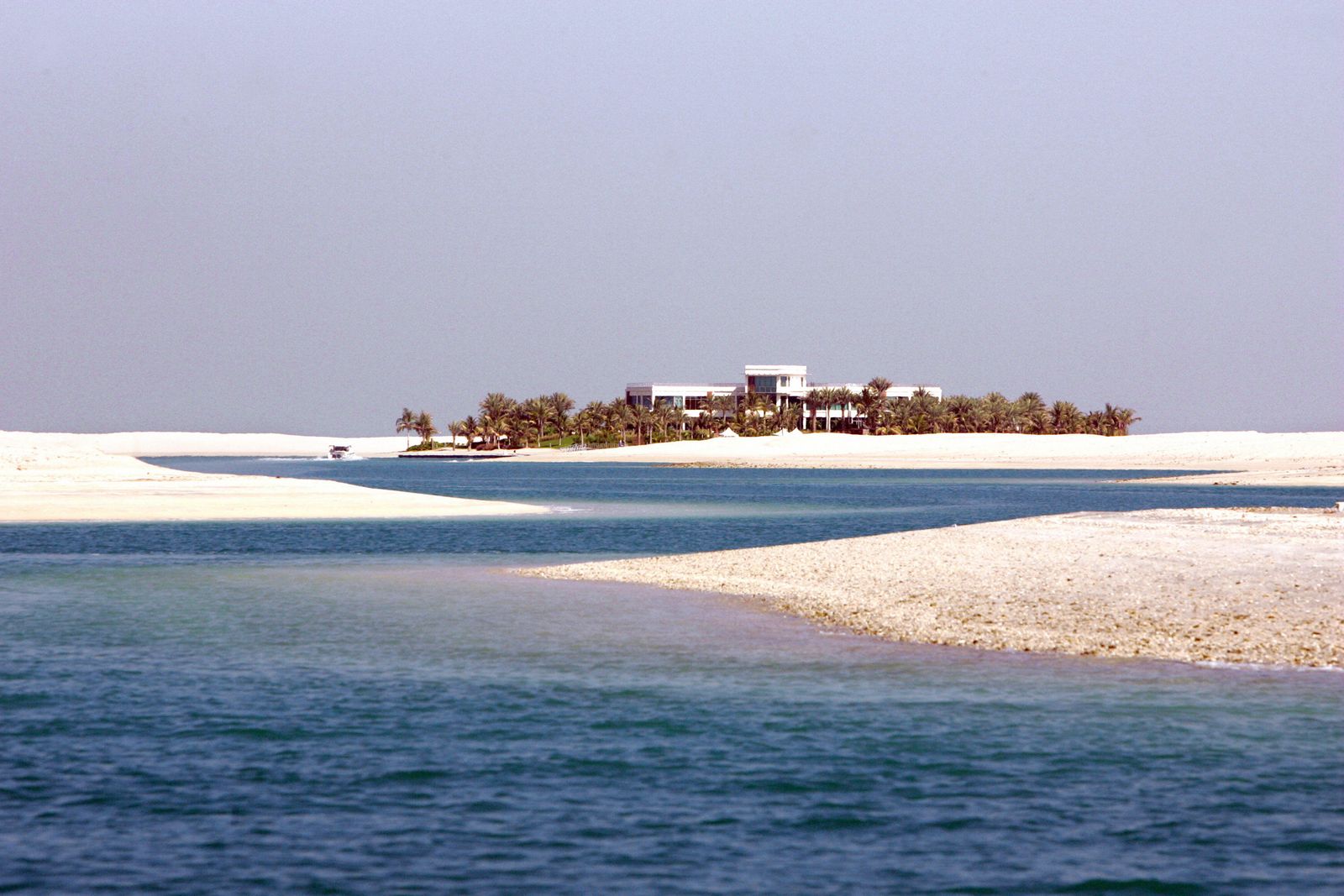

Type “man-made islands” into any search engine and the results feature: “Insane engineering,” and “largest artificial islands” along with aerials of palm-shaped coastlines. The undeniable spectacle and the sheer audacity of 21st-century real estate flattens a far longer history, one that precedes contemporary mega projects and speaks as much to survival as it does to ambition.
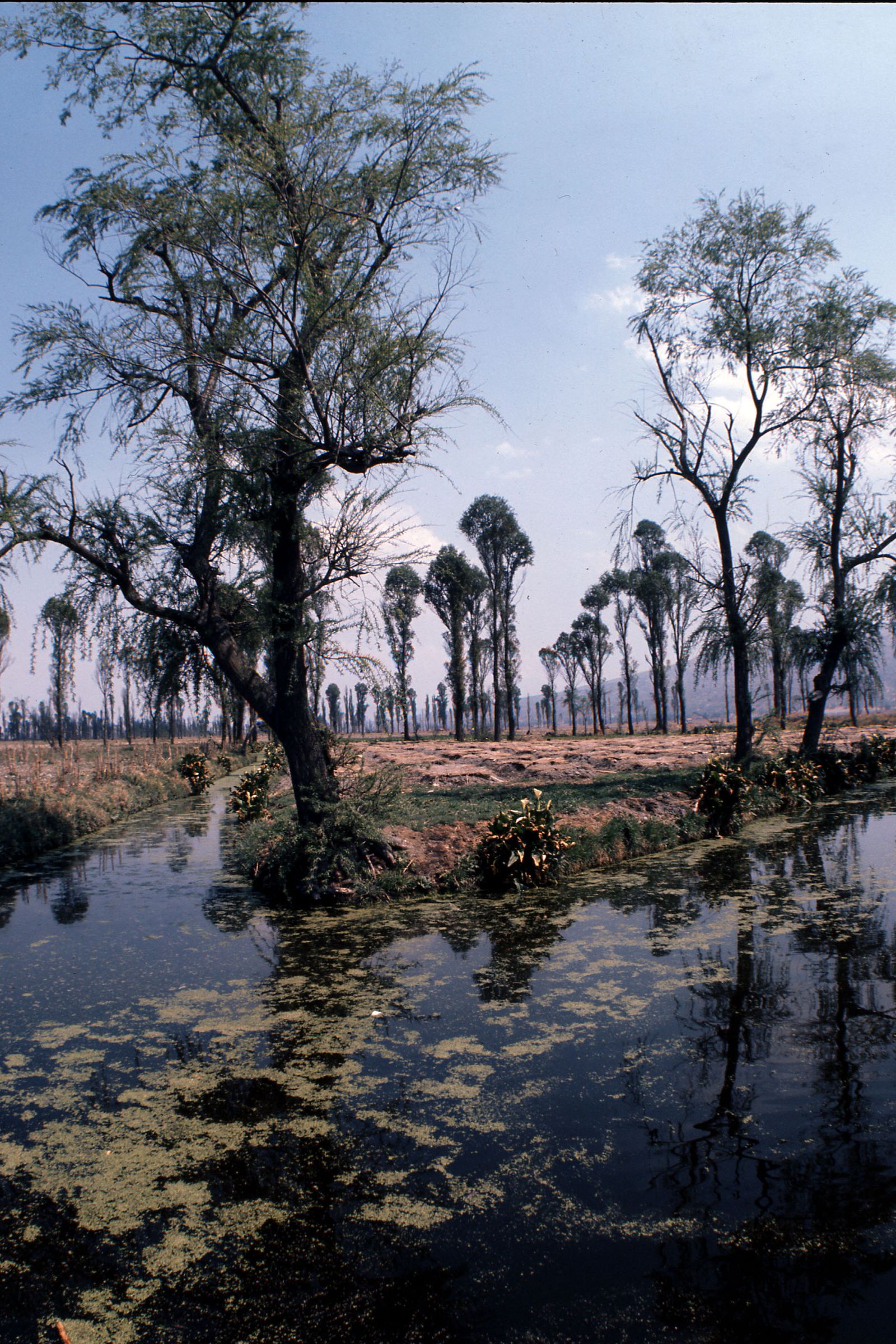
The impulse to make land where none existed is neither new nor purely extravagant. Across ancient civilisations, island-building emerged as a pragmatic response to environmental conditions. In what is now Mexico City, the Aztecs developed ‘chinampas’, the elevated agricultural plots formed by weaving wooden stakes and branches into shallow lakebeds, then layering them with fertile soil. These ‘floating gardens’ were not only productive but regenerative, sustaining dense populations through an intricate balance with water systems.
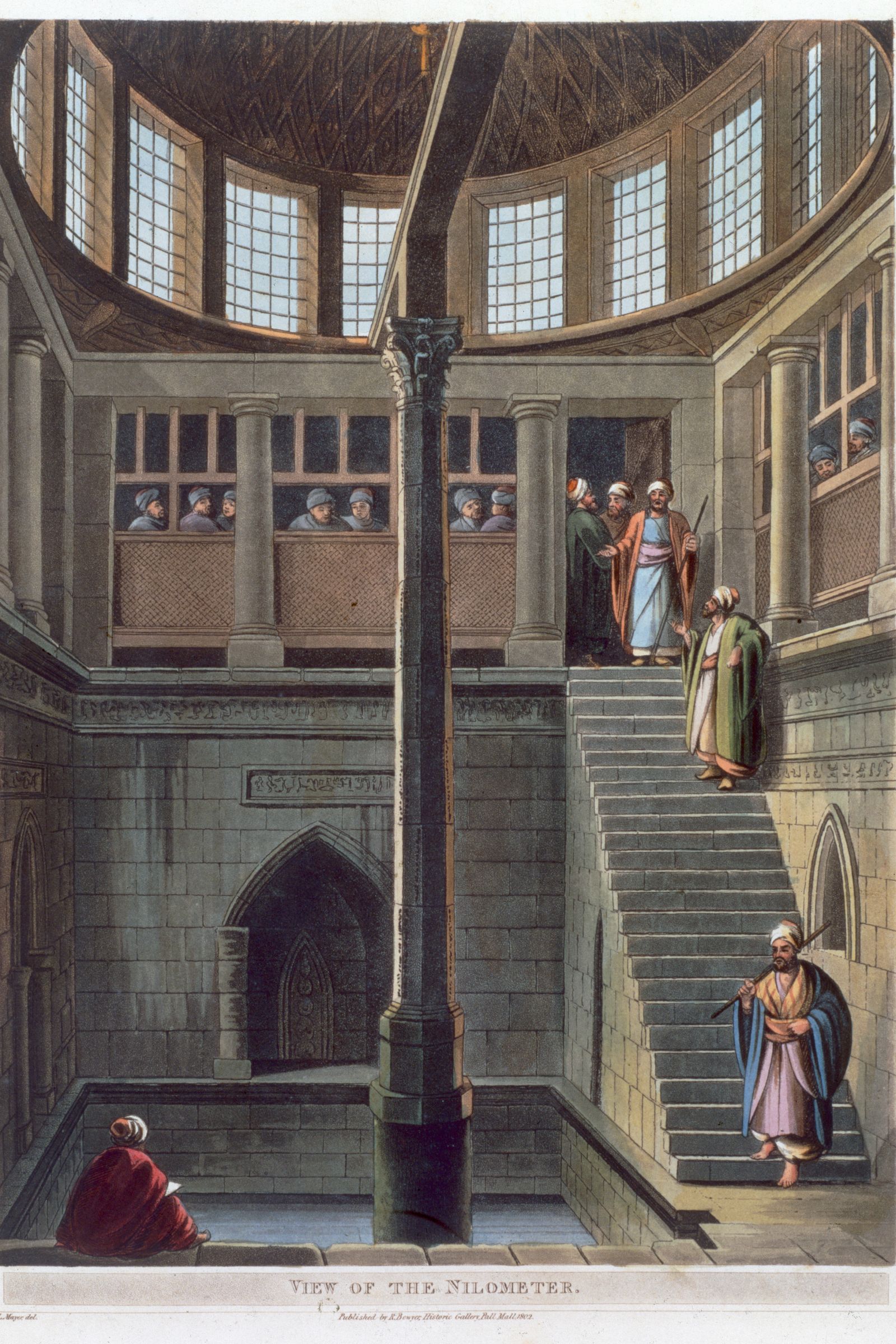
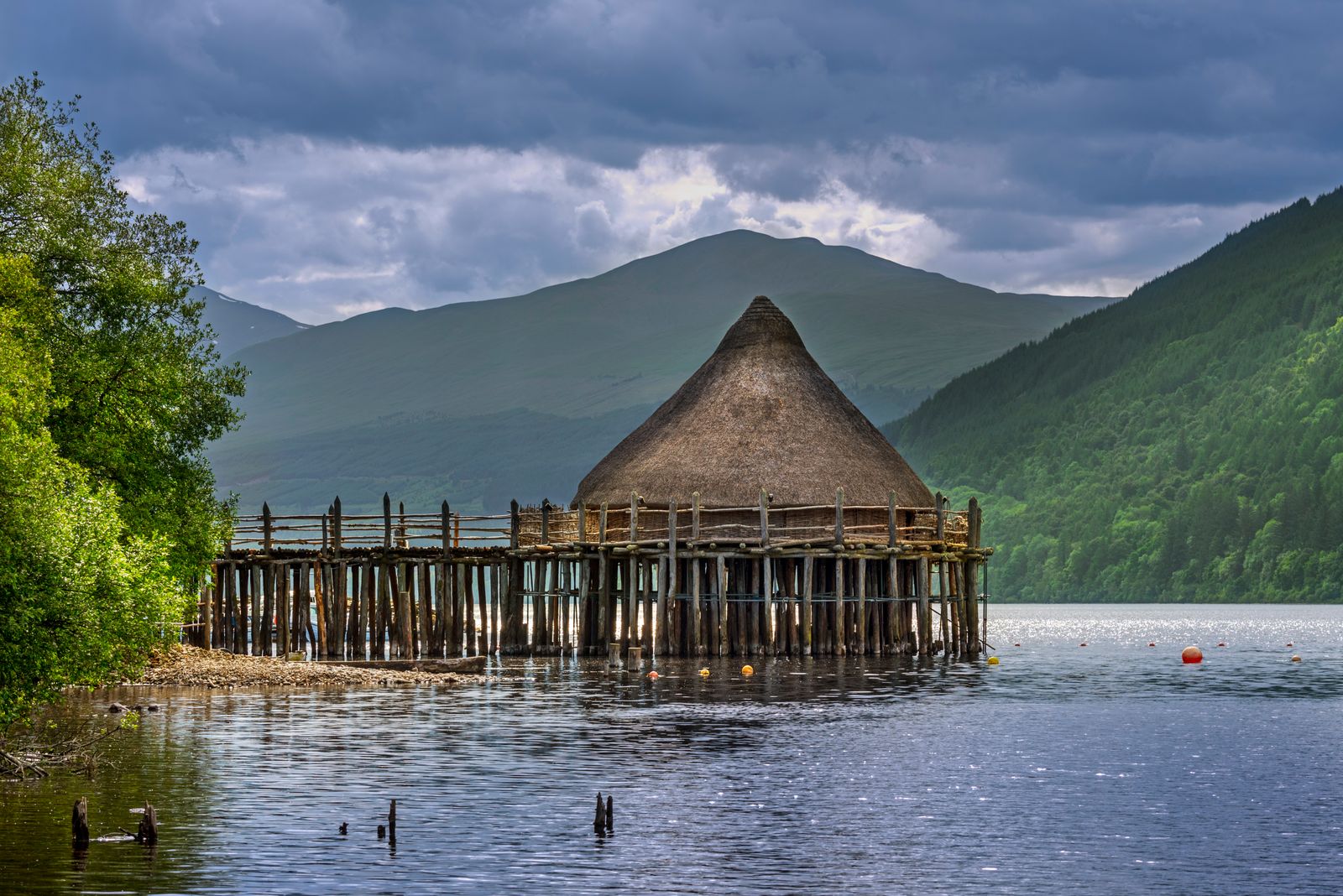
Elsewhere, there have been similarly grounded intentions. In ancient Egypt, structures along the Nile, often referred to as nilometers, were constructed to monitor water levels and ensure agricultural stability. In parts of China, fertile silt was redistributed to create arable land in flood-prone regions. Across Scotland and Ireland, crannogs, small, stilted islands, provided defensible domestic spaces within lakes. These examples resist the contemporary account of excess and position artificial islands as adaptive infrastructures shaped by necessity.
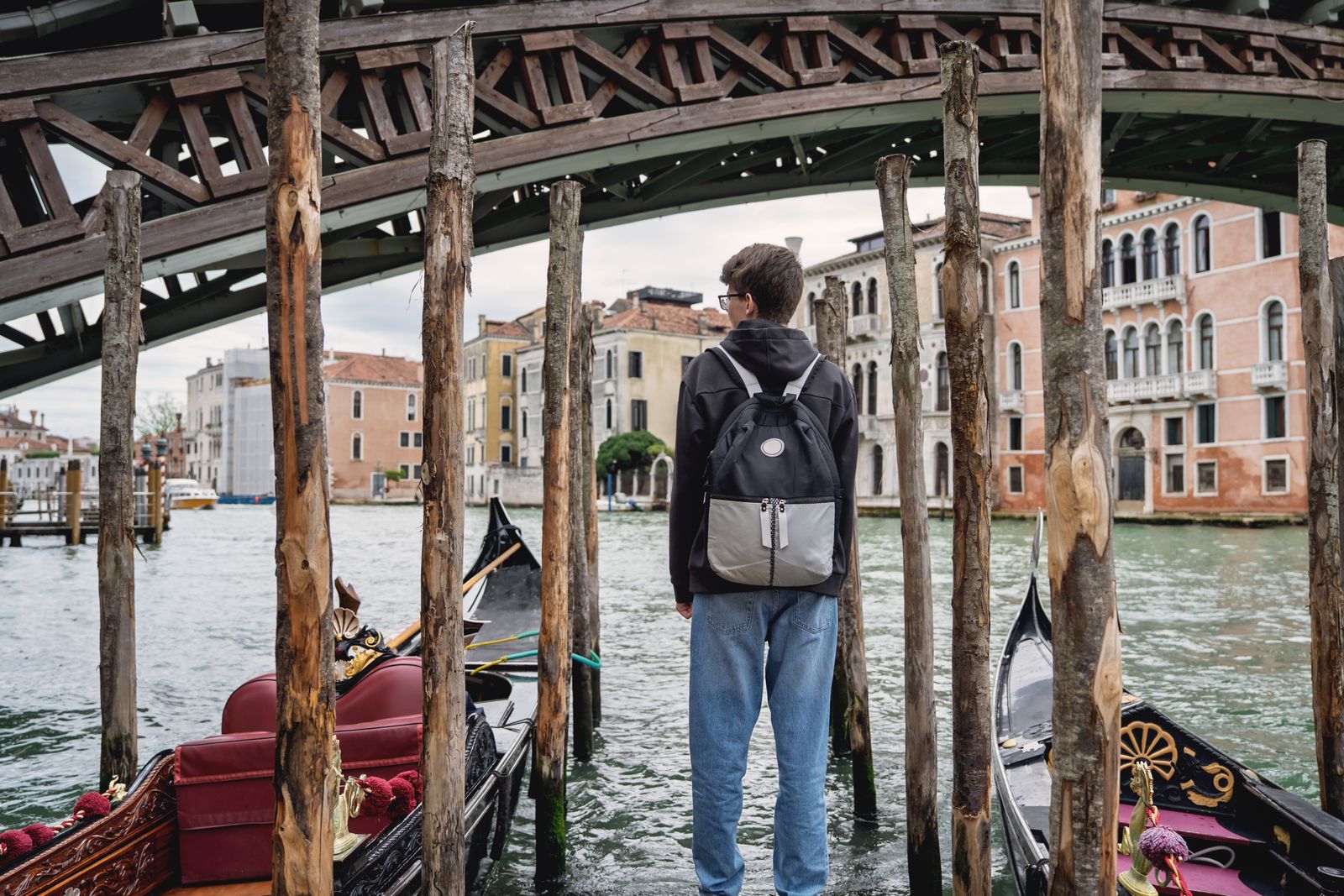
Even cities we consider ‘natural’ often rest on constructed ground. Venice, for instance, is widely romanticised as a lagoon city, yet its historic centre stands on an engineered foundation. That Venice is rarely framed as an ‘artificial island’ reveals how selectively we categorise human intervention in landscapes. The 21st century, however, marks a decisive shift in both scale and intention. Social geographer Alastair Bonnett has described our present as an “age of islands,” noting an unprecedented acceleration in their construction.
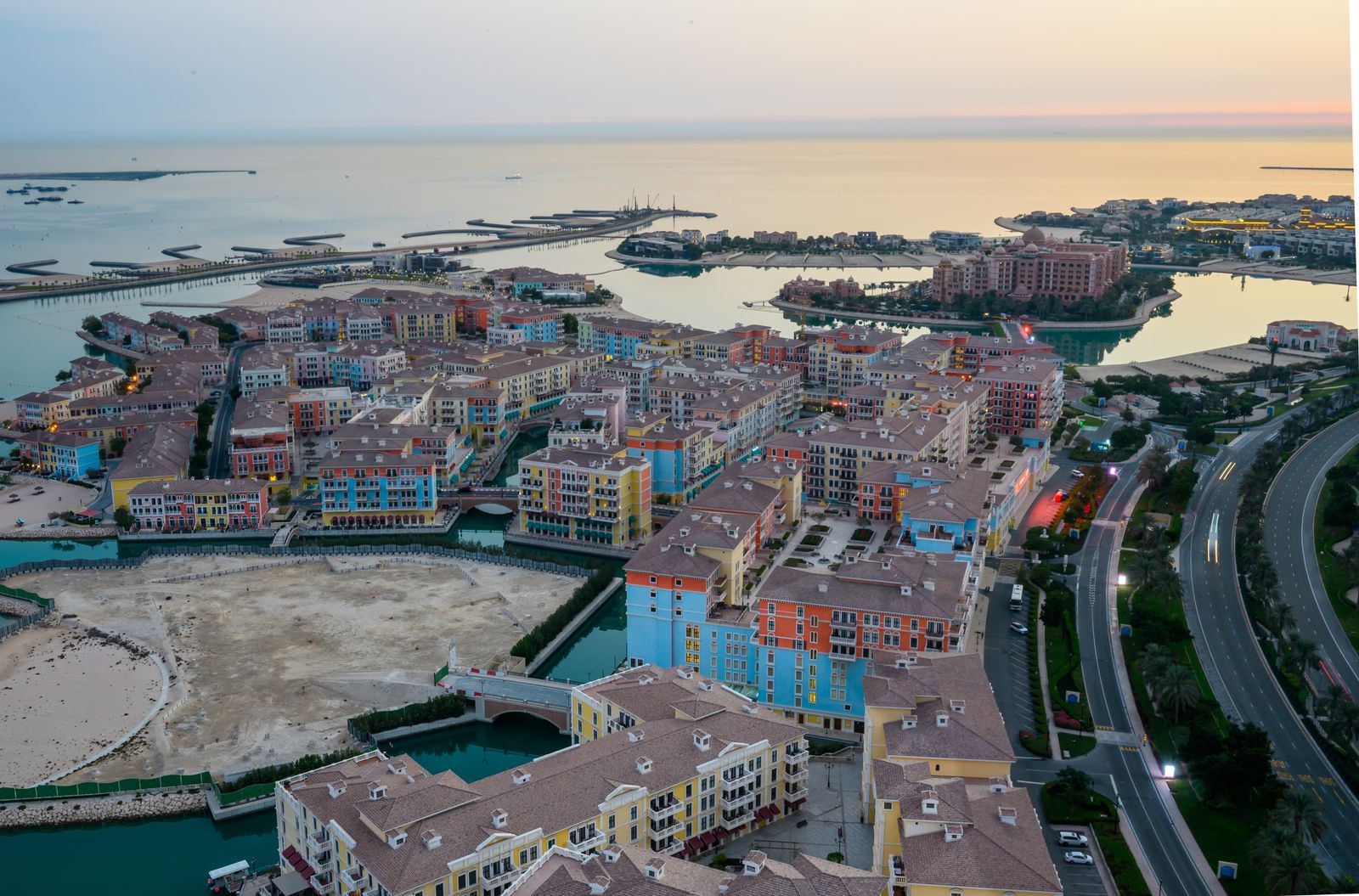
Nowhere is this more visible than in Dubai. Projects such as Palm Jumeirah, The World Islands in the UAE and The Pearl in Qatar, have become global icons of engineered luxury. The Palm alone required an estimated 120 million cubic metres of sand, transforming the Gulf coastline into a one of the most recognisable scenes in the world. The World Islands which is an archipelago of around 300 reclaimed landmasses arranged to resemble a world map, extends this ambition further.
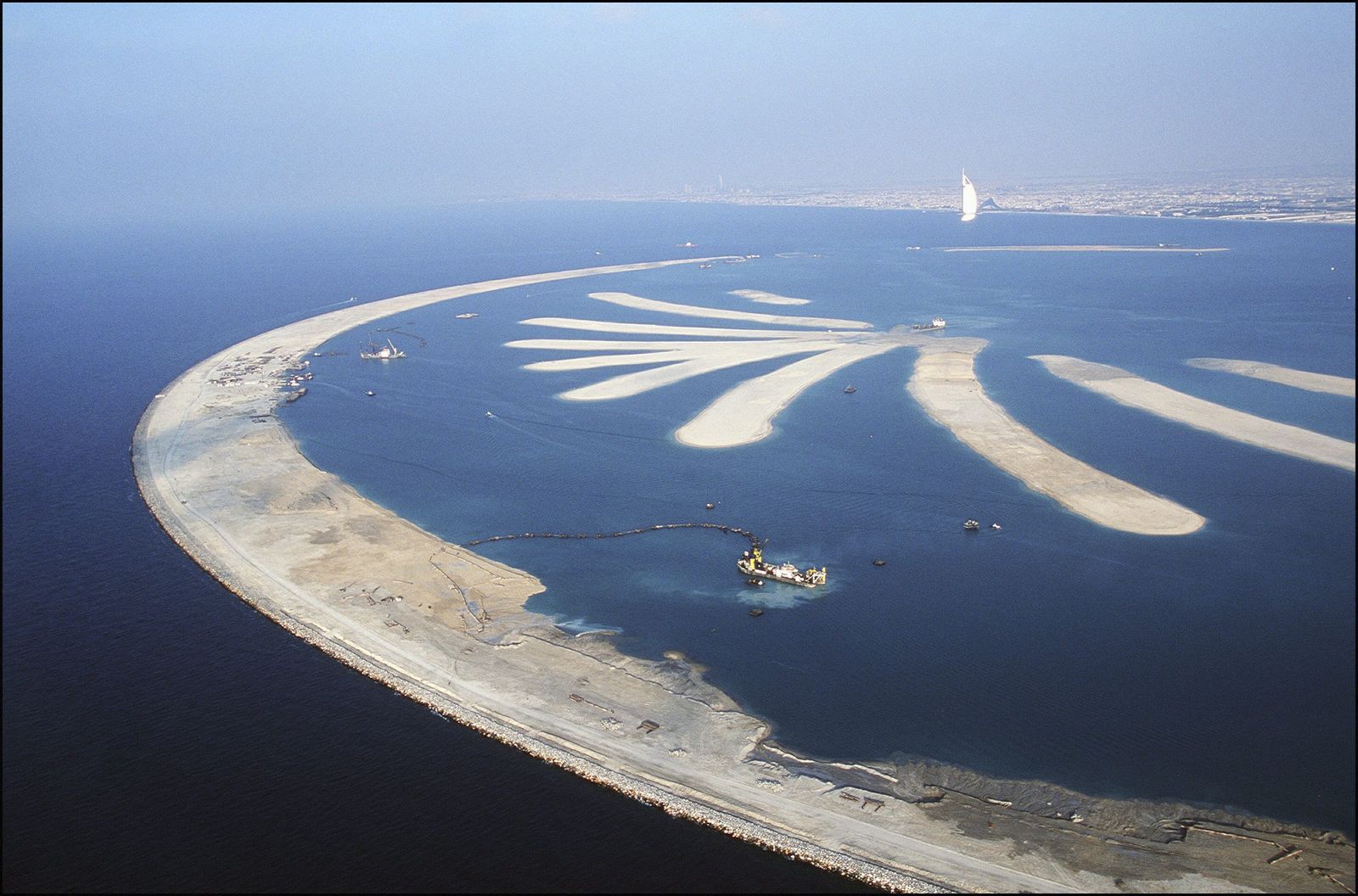
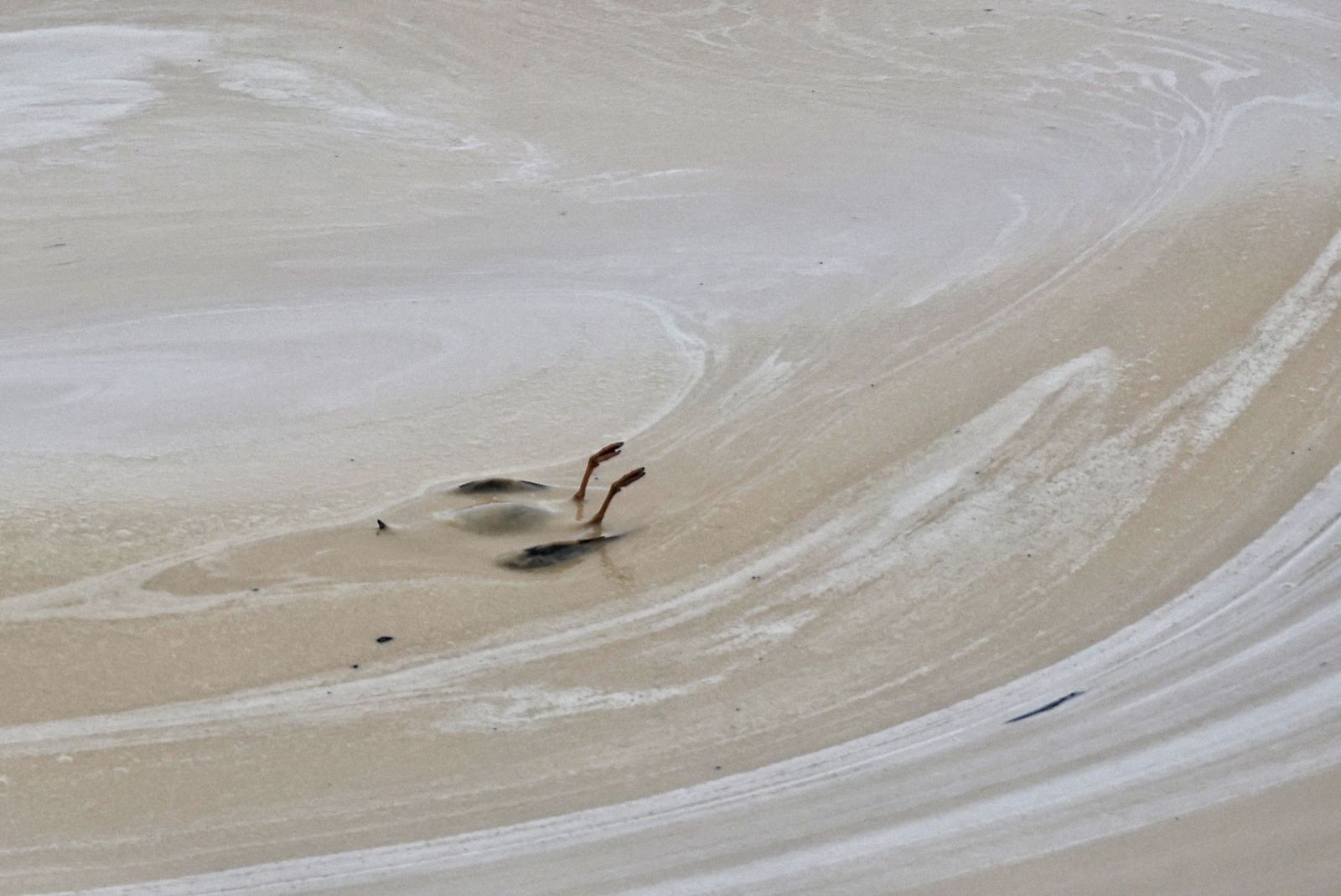
However, beneath these images are a more complex ecological detail. The construction of such islands involves extensive dredging and sediment displacement, processes that disrupt marine ecosystems. Altered wave patterns, coastal erosion and reduced water quality have been documented, with suspended sediments limiting sunlight and suffocating marine life. The seemingly abundant sand itself is now recognised as the second most exploited natural resource after water.
This tension between innovation and impact is not unique to the Gulf. Across the South China Sea, artificial island building has been deployed as a tool of territorial expansion, often at the expense of coral reef systems. What were once biodiverse underwater landscapes have, in some instances, been flattened and concretised.
At the same time, artificial islands continue to be framed as solutions to contemporary challenges such as overcrowding, land scarcity and climate adaptation. As coastal cities grapple with rising sea levels, the idea of creating new land carries both urgency and appeal.
Considering a cultural dimension, reinforced by algorithms and media imagery, these projects suggest a fascination with the ability to redraw the map in our collective imagination. It is perhaps no coincidence that Dubai’s islands often appear among the first search results, their scale and visual clarity lend themselves to easy recognition. But this visibility can obscure quieter, less spectacular histories of land-making.
‘Vertigo Sea’, a three channel video work by artist and filmmaker John Akomfrah situates the ocean as a site of terror and beauty, tracing humanity’s enduring desire to occupy and transform maritime spaces. In this context, artificial islands can be understood not only as architectural or infrastructural projects, but as extensions of a territorial imagination.
Not all such projects endure. Some remain incomplete, others partially inhabited and a few drift toward obsolescence. The lifecycle of these islands, from conception to potential abandonment, complicates their status as symbols of permanence. They are, in many ways, as contingent as the environments they seek to stabilise.
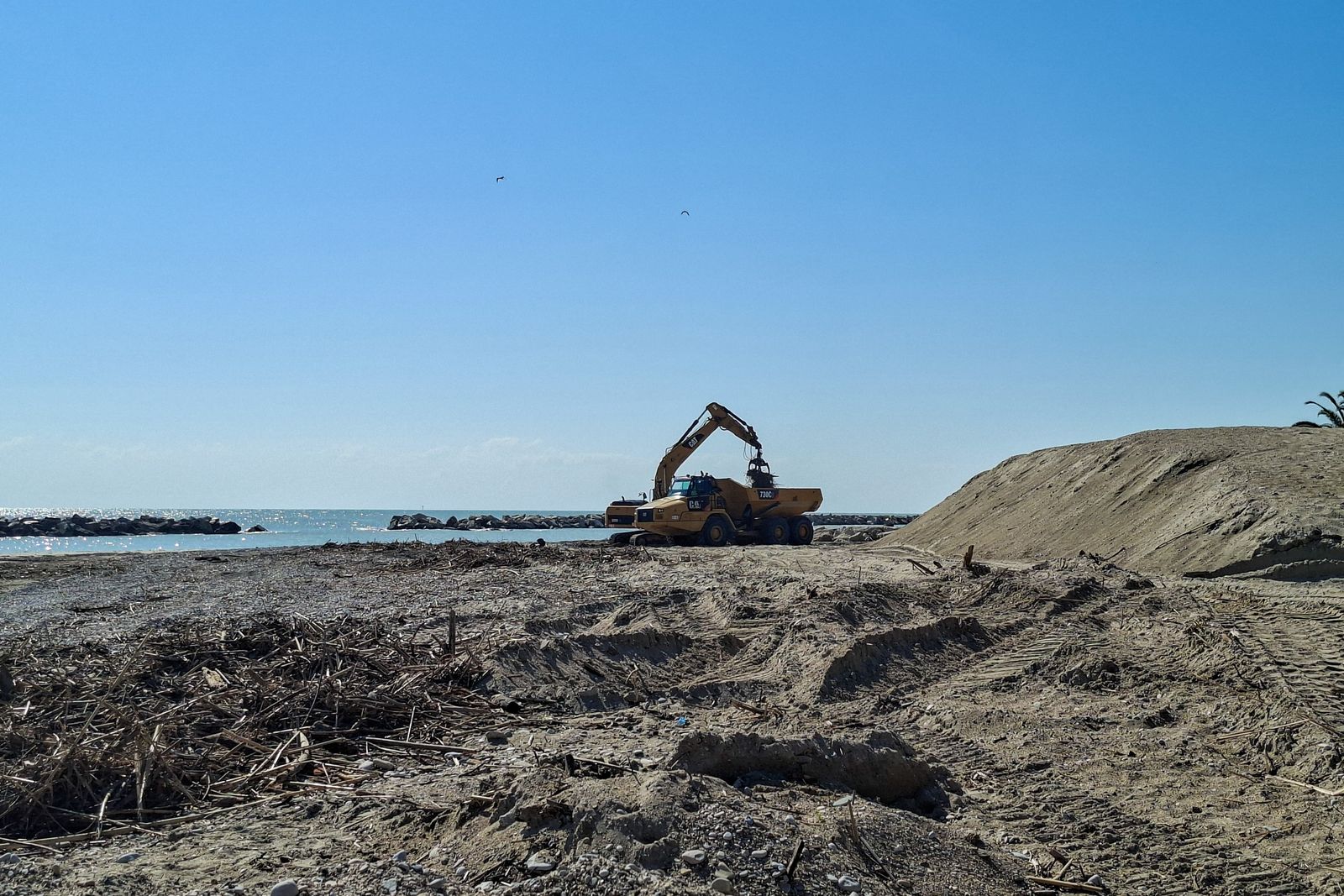
We are reaching a point where the distinction between natural and man-made is blurring, much like our integration of AI into daily life. We may eventually stop questioning whether the ground beneath our feet was placed there by a tectonic shift or a dredger. While we are at an extraordinary capacity to engineer landscapes, it also exposes the limits of that control. As climate pressures intensify and resources become increasingly constrained, the stakes of such interventions will only grow.
To build land is to assert a certain authority over nature. The question is not whether we can continue to do so, but how and at what cost.