

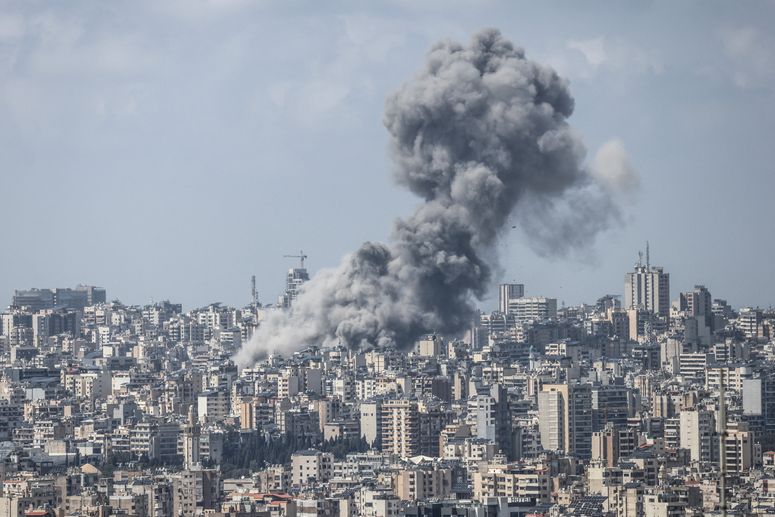
The war in Lebanon increases as Israel attacks the country once more, forcibly displacing hundreds of thousands of people, functional designs by Lebanese design and architecture students hope to tackle some of the everyday challenges the country faces.
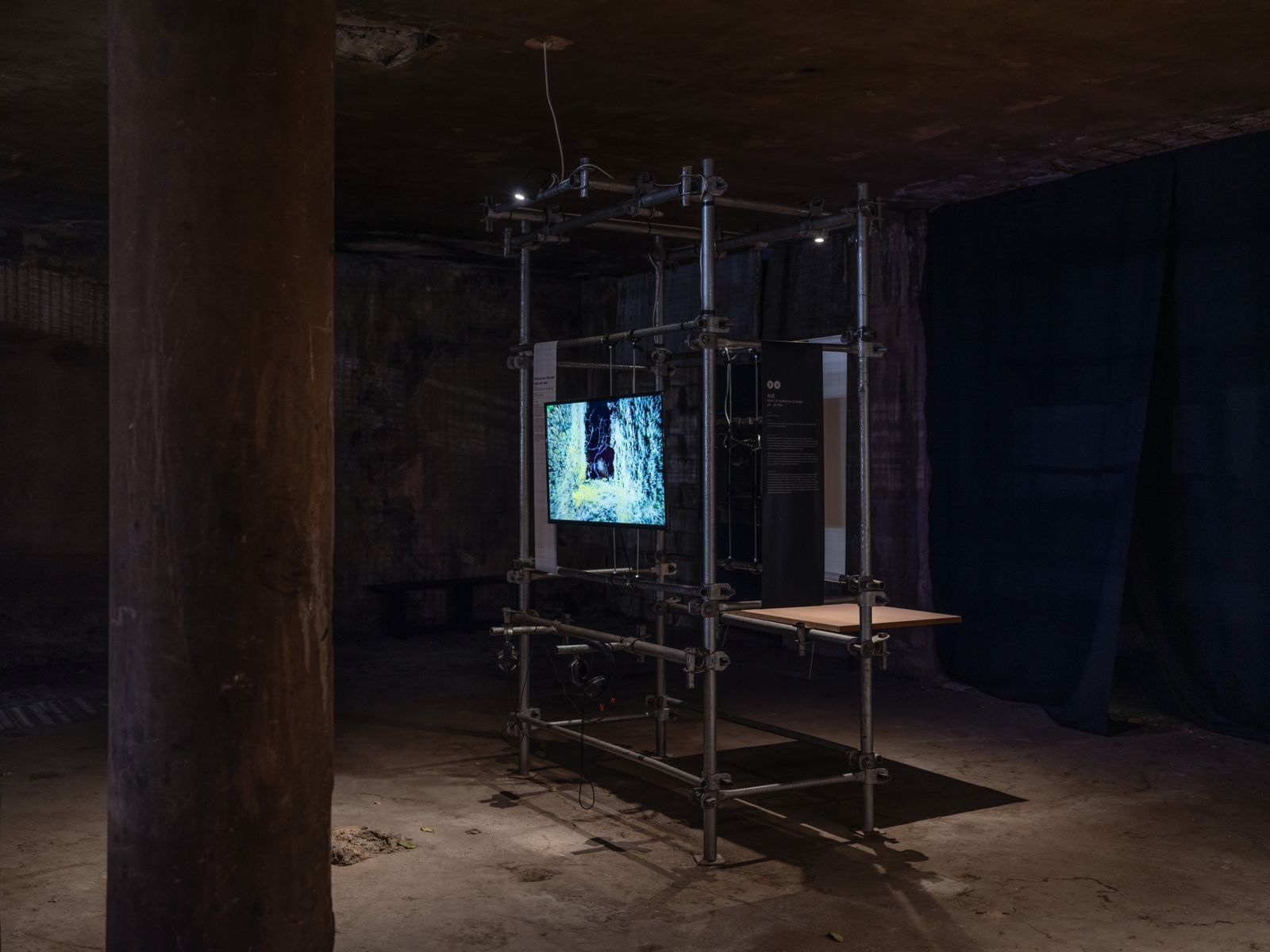
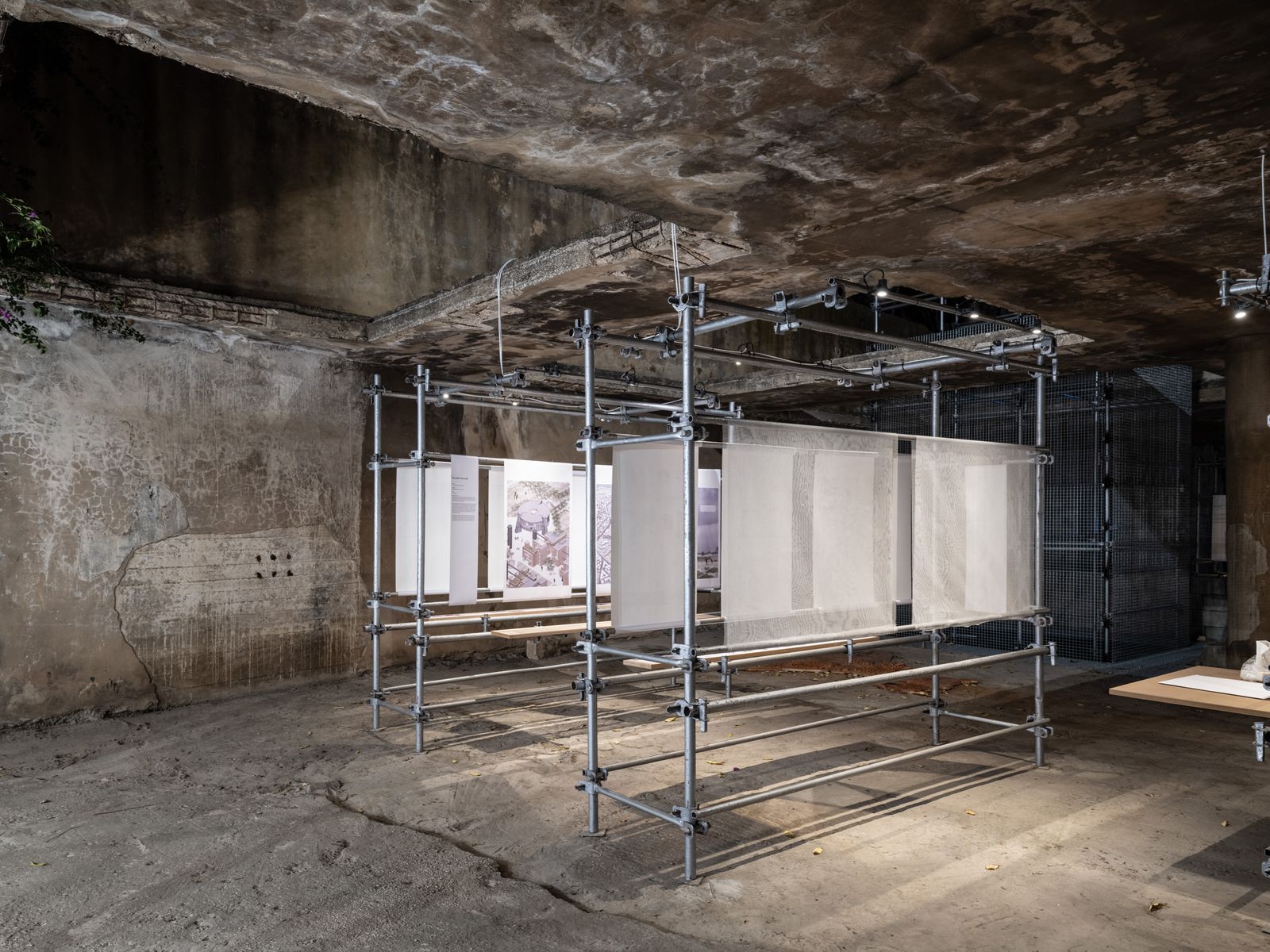
Initially showcased as part of We Design Beirut’s ‘Design in Conflict’ exhibition in October 2025 – planned on the heels of the previous 2024 war and amidst daily ceasefire violations - Archifeed co-founders Teymour Khoury and Yasmina Mahmoud, along with product designer Youssef Bassil and design engineer Tarek Mahmoud, took over Beirut’s abandoned Burj El Murr skyscraper.
“Design is not only about beauty, it is about memory, identity and the future of our land. Planning this edition during the war made it impossible to ignore the reality around us,” WDB founder Mariana Wehbe tells AD. “Together with the curators we chose to confront that reality and engage young designers and students in a critical dialogue. What emerged was not just an exhibition, but a conversation that positioned design and our region within a global discourse on conflict, resilience, and responsibility.”
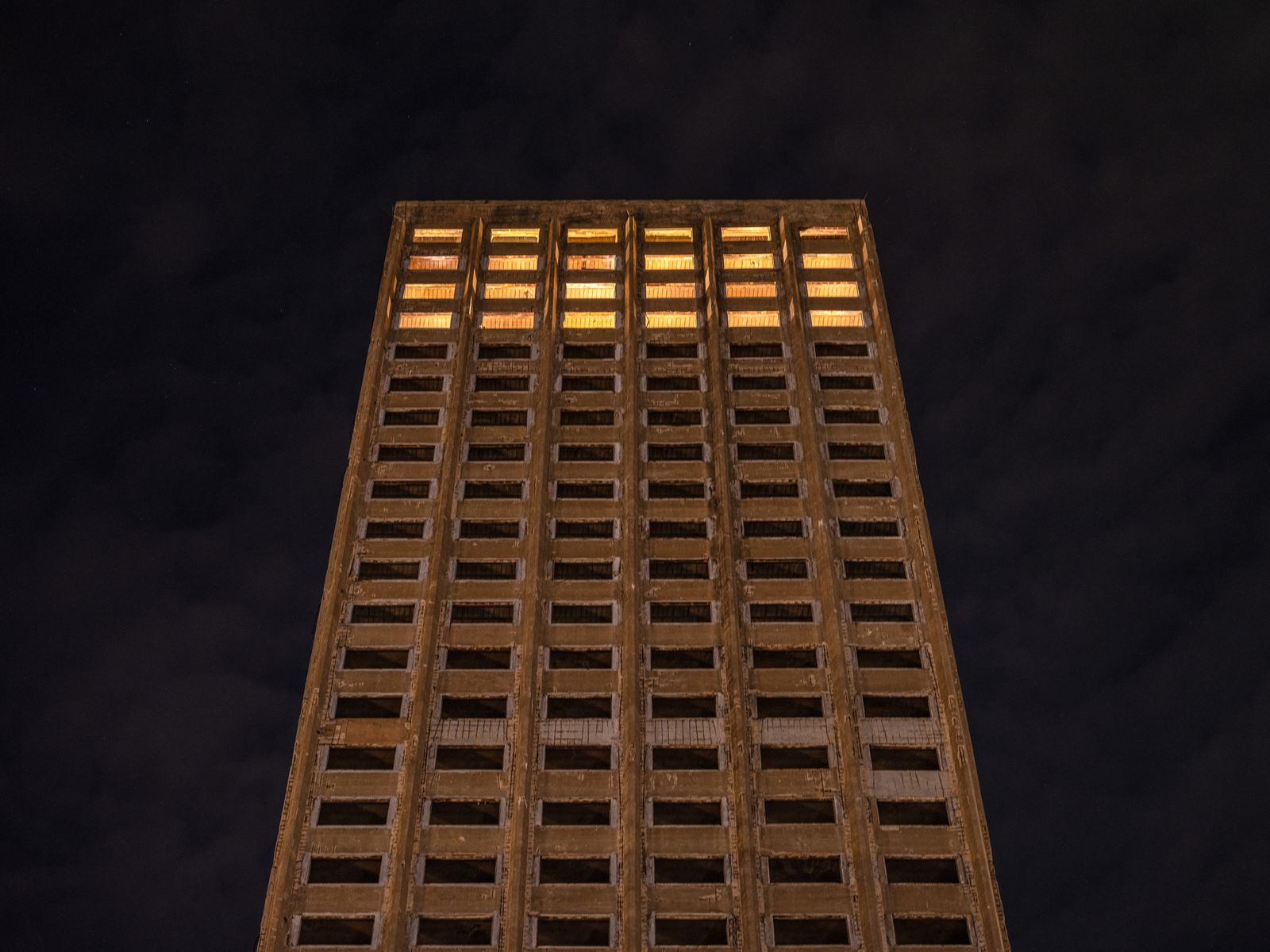
The unfinished tower-turned-snipers’ nest during Lebanon’s 1975-1990 civil war was a poignant backdrop to 58 projects from nine universities across the country. As war descends on Lebanon once more, and the region as a whole, these projects are more relevant than ever.
“During this phase, we didn't feel like anything else would be more relevant than tackling the actual situation. We decided to see how students actually perceive the different mechanisms of conflict, how the destruction, abandonment and rebuilding actually reshaped the way we perceive the entire environment,” Yasmina Mahmoud tells AD. “We wanted something that was really grounded in the intensity of the conflict without resonating directly with a specific war, because for our generation, Burj Al Murr is not a war that we witnessed.”
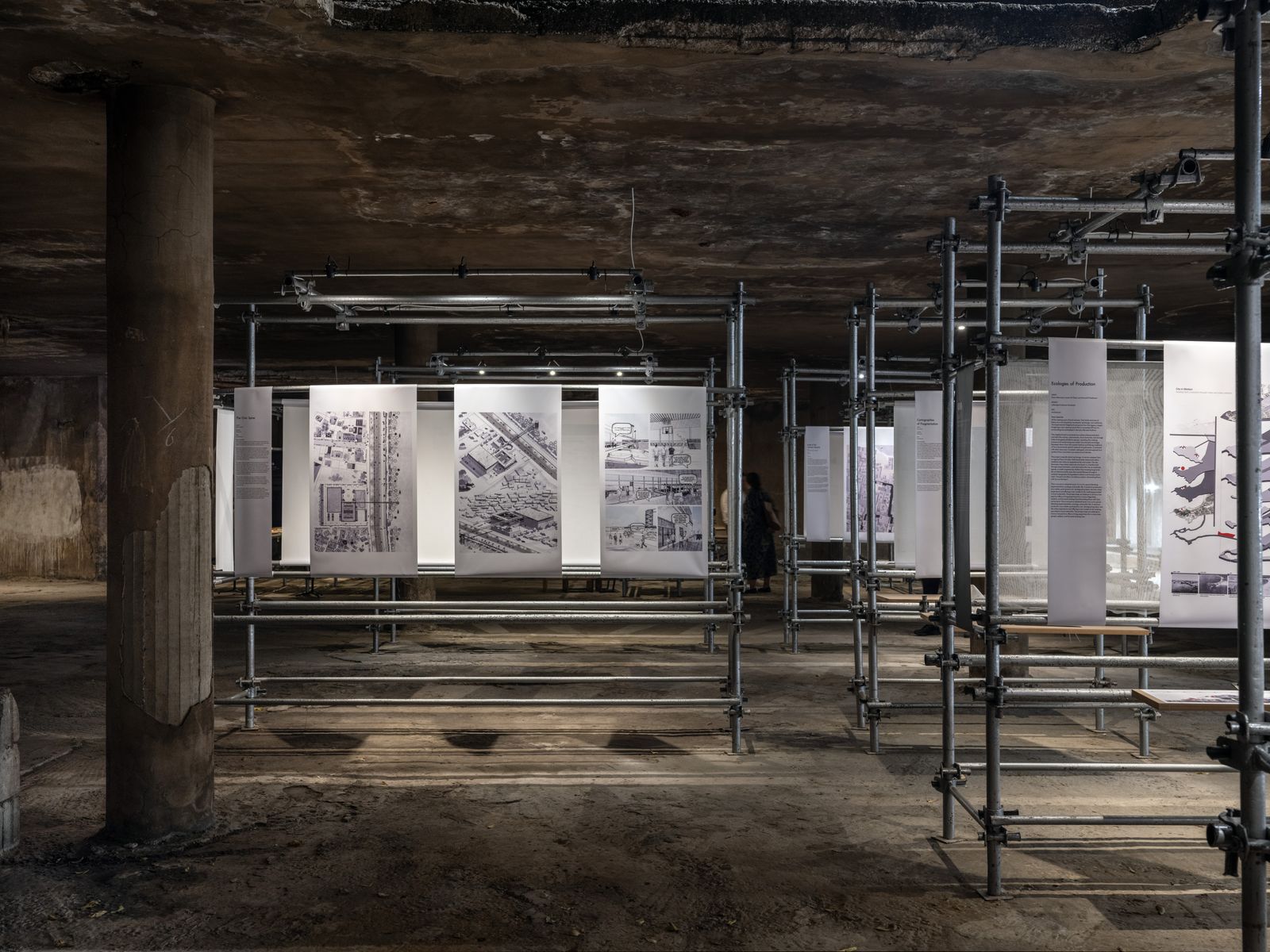
Some projects revolved around architectural interventions in territories that were directly affected by the war in Lebanon – destruction of urban fabric and infrastructure – or indirectly, through mass displacement and disruption of necessities. Others focused on functional product design which help tackle specific challenges caused by war or destruction – such as ways to turn everyday objects in survival kits or furniture than can transform into shelters when needed.
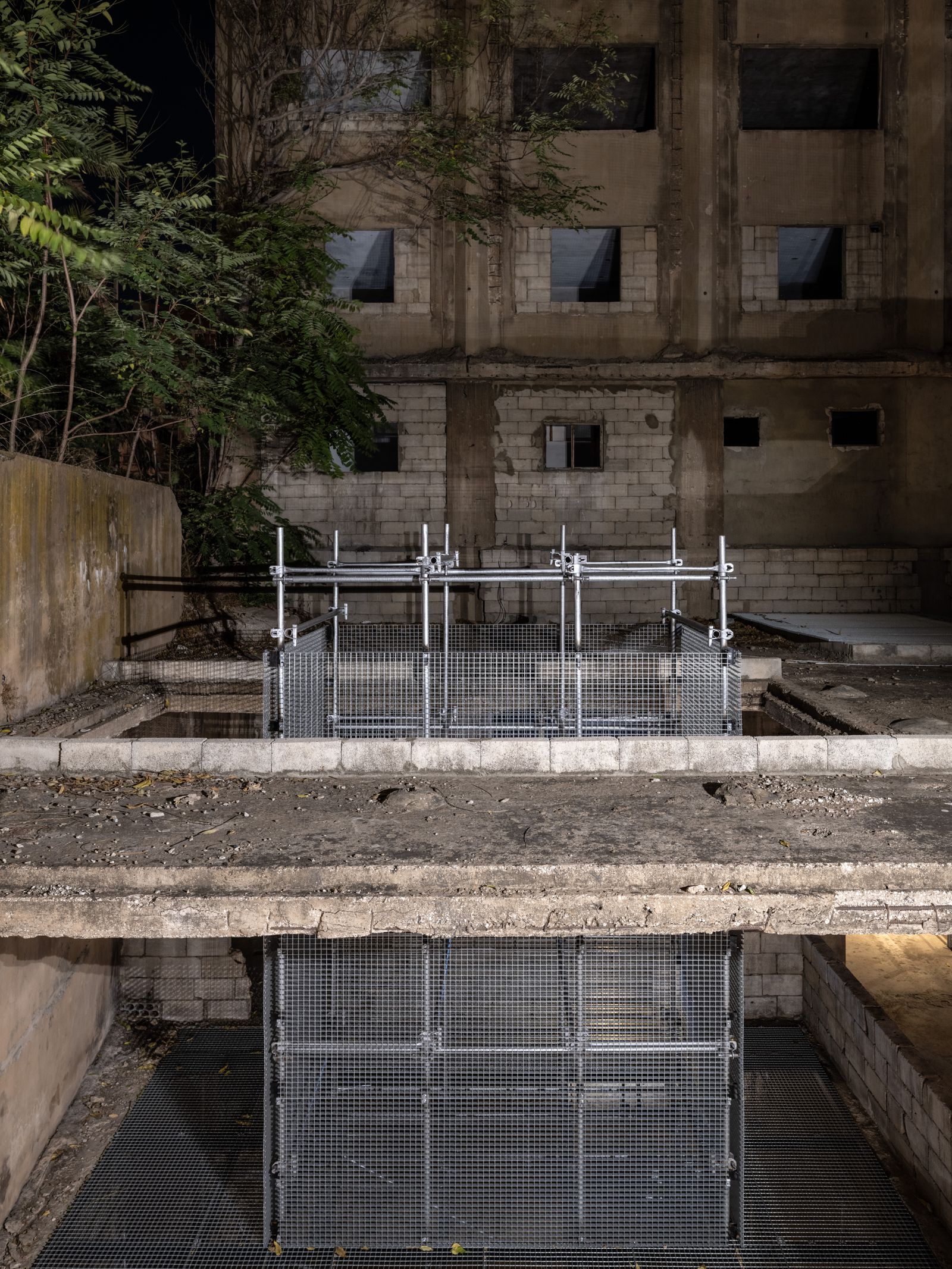
“We had students from Saint Joseph University for instance, who really focused on major institutional anchors in the city, like the Beirut Port and airport, as well as a monument for a political figure,” Khoury said. “Other schools like Phoenicia and Lebanese American University were much more focused on the urban typology, so they took the city of Sour as a case study.”
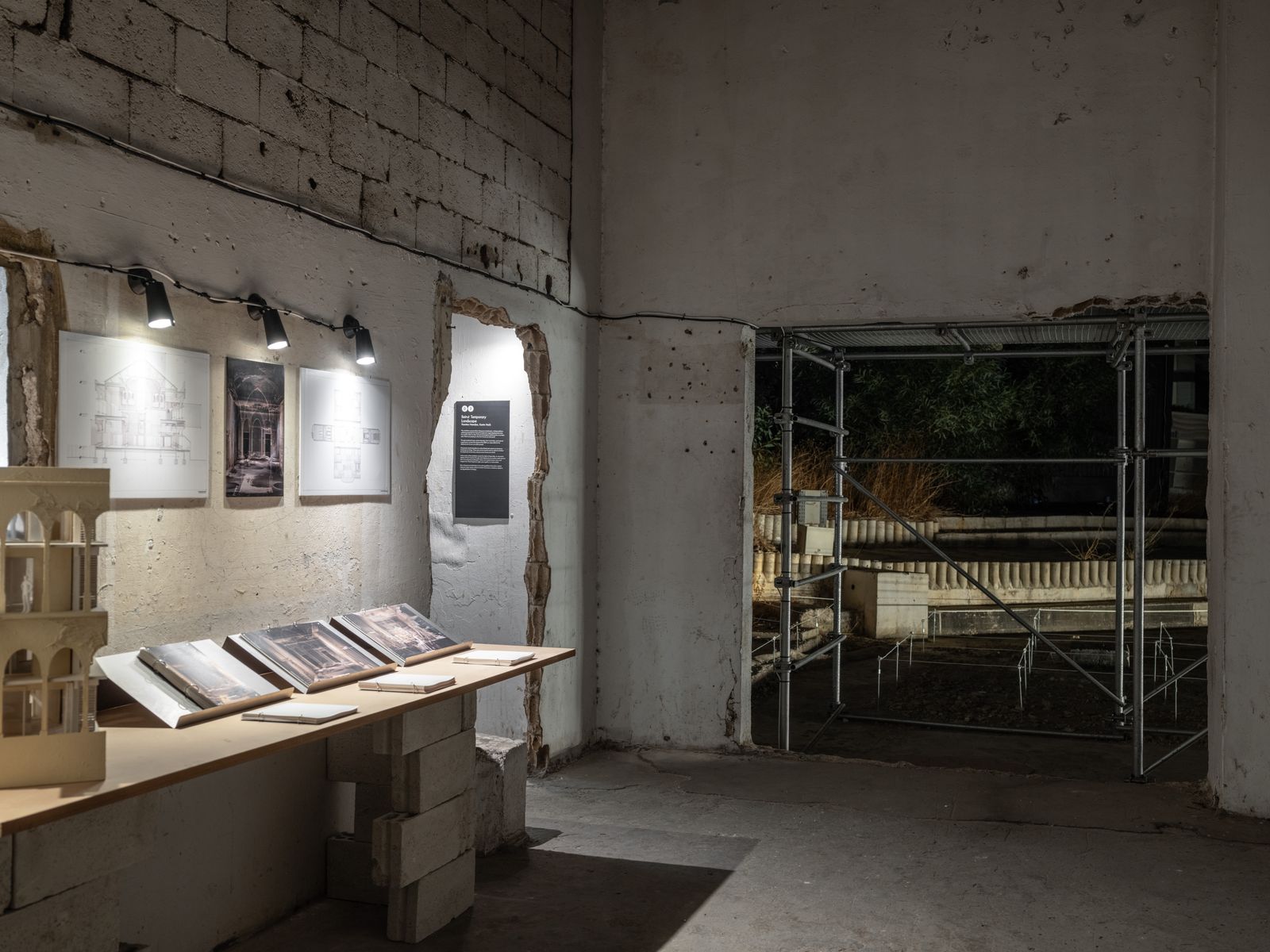
“We took a step back and tried to remind students that they weren't heroes here to save the world or anything, they had to be a realistic, and at the same time, distance themselves from these narratives of ‘just survival,’” Bassil says. “We had a list of words that they weren't allowed to use, which referenced colonialist, romanticisation about the misery of people in conflict.
“One student [Sleyman Haber] did a project where he designed a ‘LifeStrap,’ vest that allows it's user to carry other people on their chest. It’s supposed to play on the idea of human shield, a term which keeps being used without evidence,” he adds. “Rhea Bassil proposed a kit for sonic protection, a set of [earmuffs] to block out the constant sound warplanes, drones and sonic booms, which can be mass produced and packaged as humanitarian aid so people can mute their senses and feel a bit more comfortable within sounds of war.”
Zoe Sakr’s ‘Human Black Box’ is a terrifying yet necessary invention to help tackle the effects of the war in Lebanon, inspired by the black boxes used on airplane, but used to track and archive human loss and disappearance during war. The tiny necklace uses a satellite-based distress signal that instantly locates the wearer and a secure system that records and retains the user’s last words on a memory card. It aims to offer closure to family members who would otherwise never know what happened to loved ones, simply marked as ‘disappeared’ if no body is located.
Christy Asfar and Hanady Estephan’s ‘DeskRest’ proposes school desks that can be transformed into beds when needed, as in both the 2024 war and the current attacks, the Lebanese government has turned public schools into ramshackle shelters for the displaced.
“It definitely requires a different mindset, because design is mainly based on what we tend to see in international fairs - It's very individualistic, about singular objects that differentiate themselves beyond the functional dimension,” Tarek Mahmoud says. “When you enter an intense context, such as conflicts, whatever you have around has to have a function. The aesthetics don't really matter that much. You have to ask: What do humans need within these extreme environments, and how these objects could deliver on these needs.”
.png)

