
In the midst of a war being fought over oil, when the price of plastics has been driven sky high, filling the public sphere with inflatable furniture design feels like a defiant gesture. On the other hand, as the costs for shipping large objects around the world also soar, designing furniture that packs down to almost nothing could be interpreted as a smart move. These seemingly contradictory impulses may be behind the mushrooming vogue for blow-up furniture, a sister trend to the neotenic (or “chubby”) design, which is also dominating the scene right now.
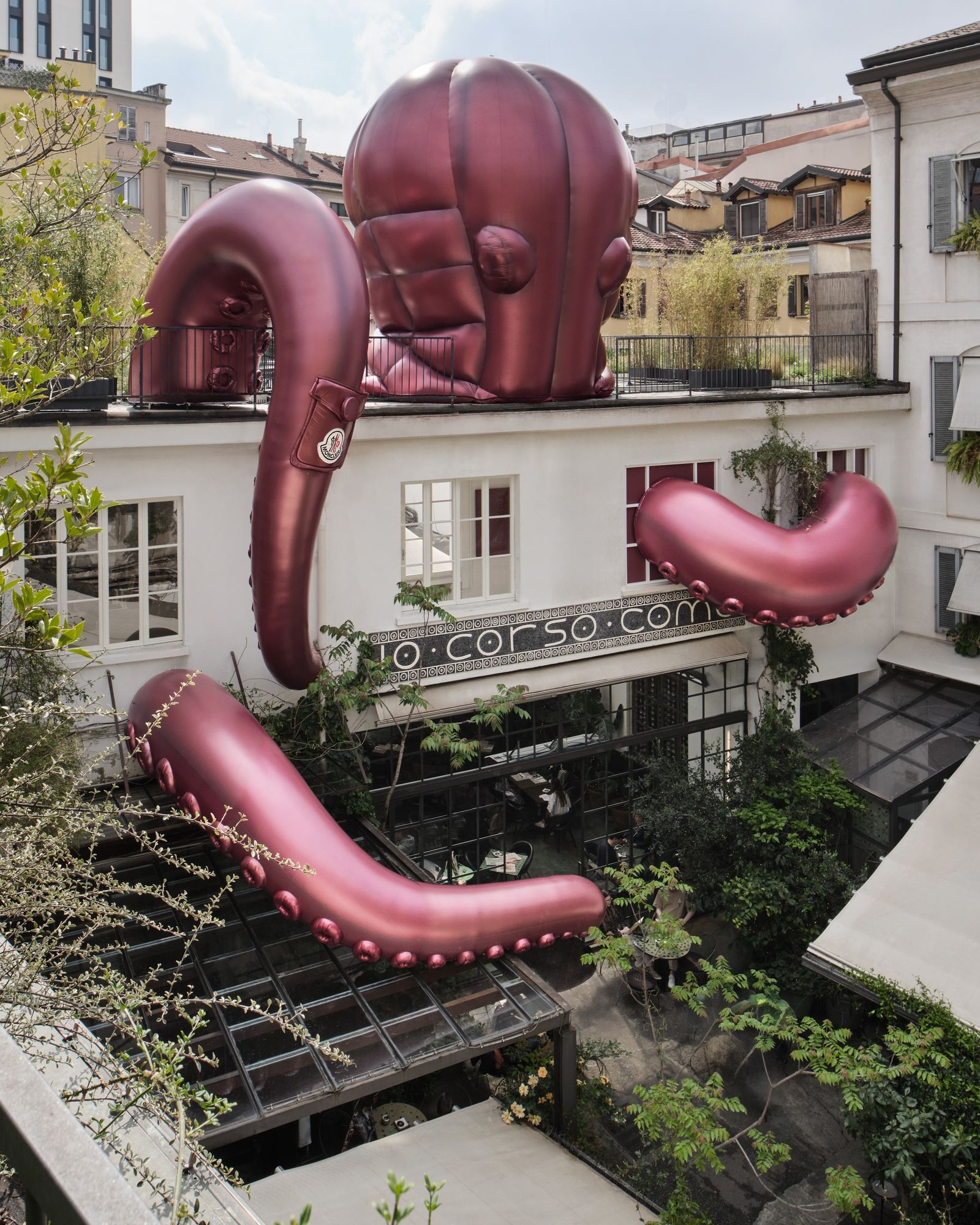
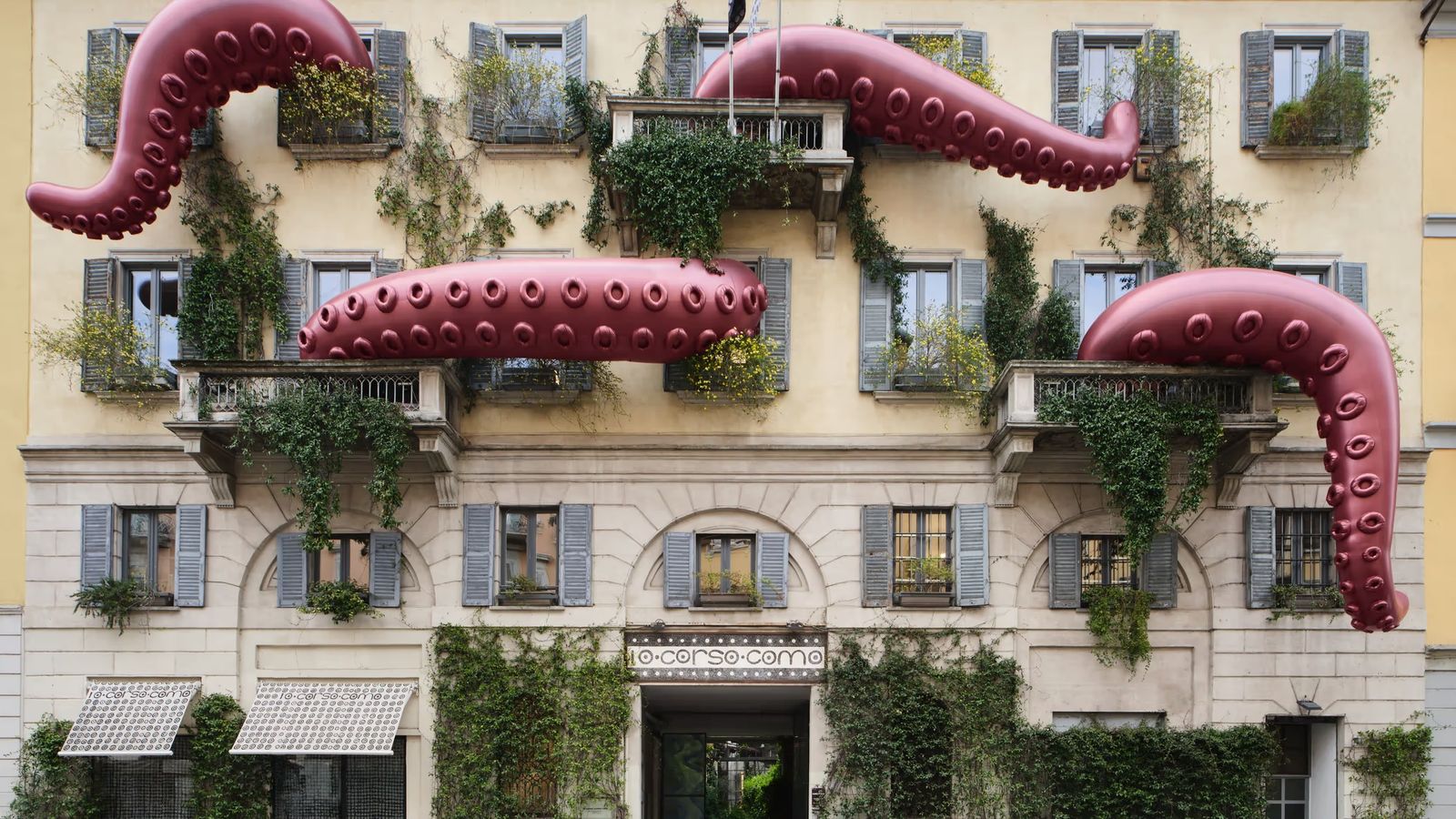
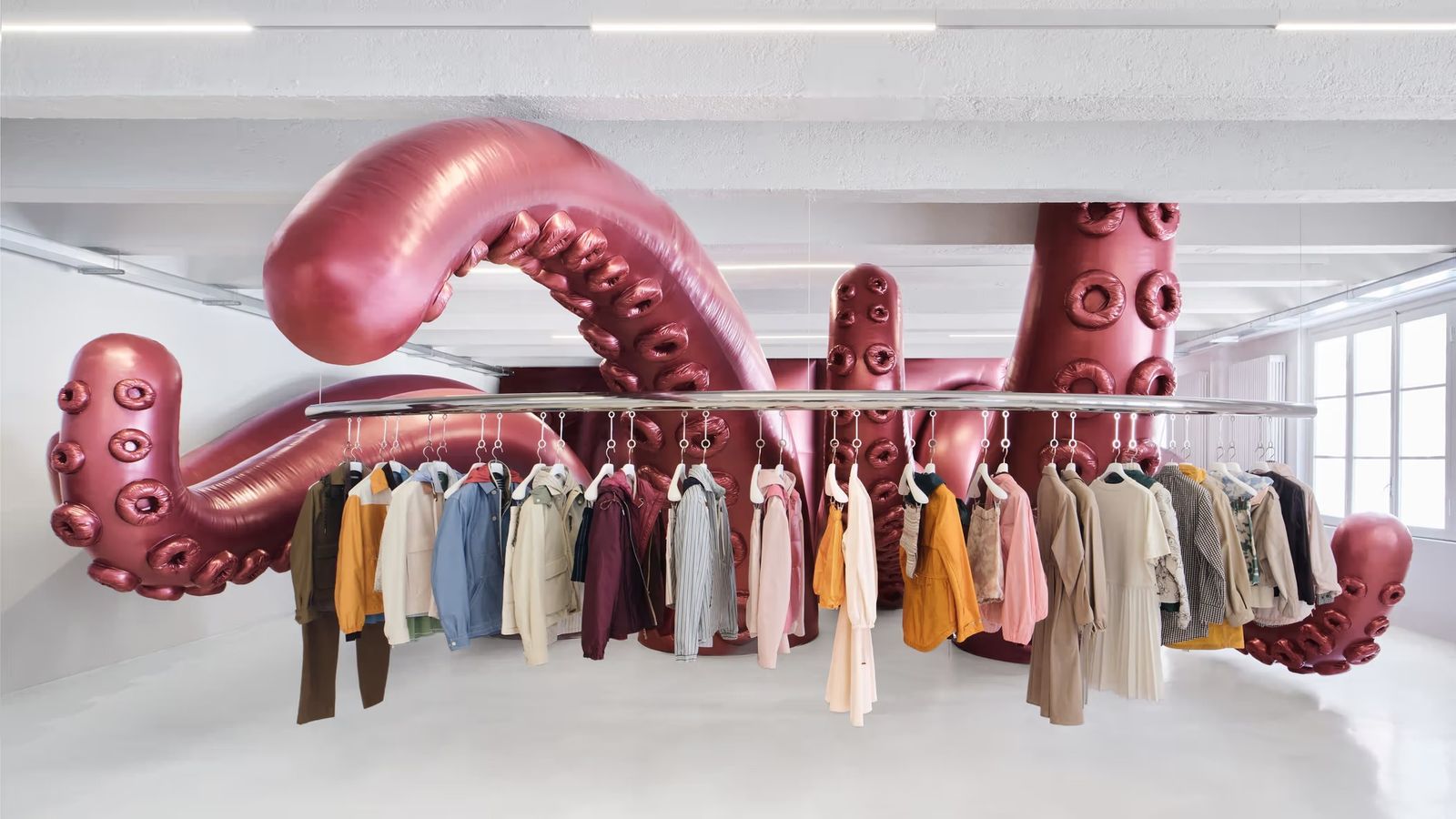
As with any kind of rounded, plump form, there’s always an association with childlike notions of comfort and playfulness. Moncler’s Have a Puffy Summer installation at the 10 Corso Como store during Milan Design Week took this to the extreme, recalling playground bouncy castles. Featuring an inflatable octopus sculpture created by set designer Andy Hillman, which wound its tentacles through the store’s indoor and outdoor spaces, it was intended to evoke a “bold, buoyant” seasonal mood.
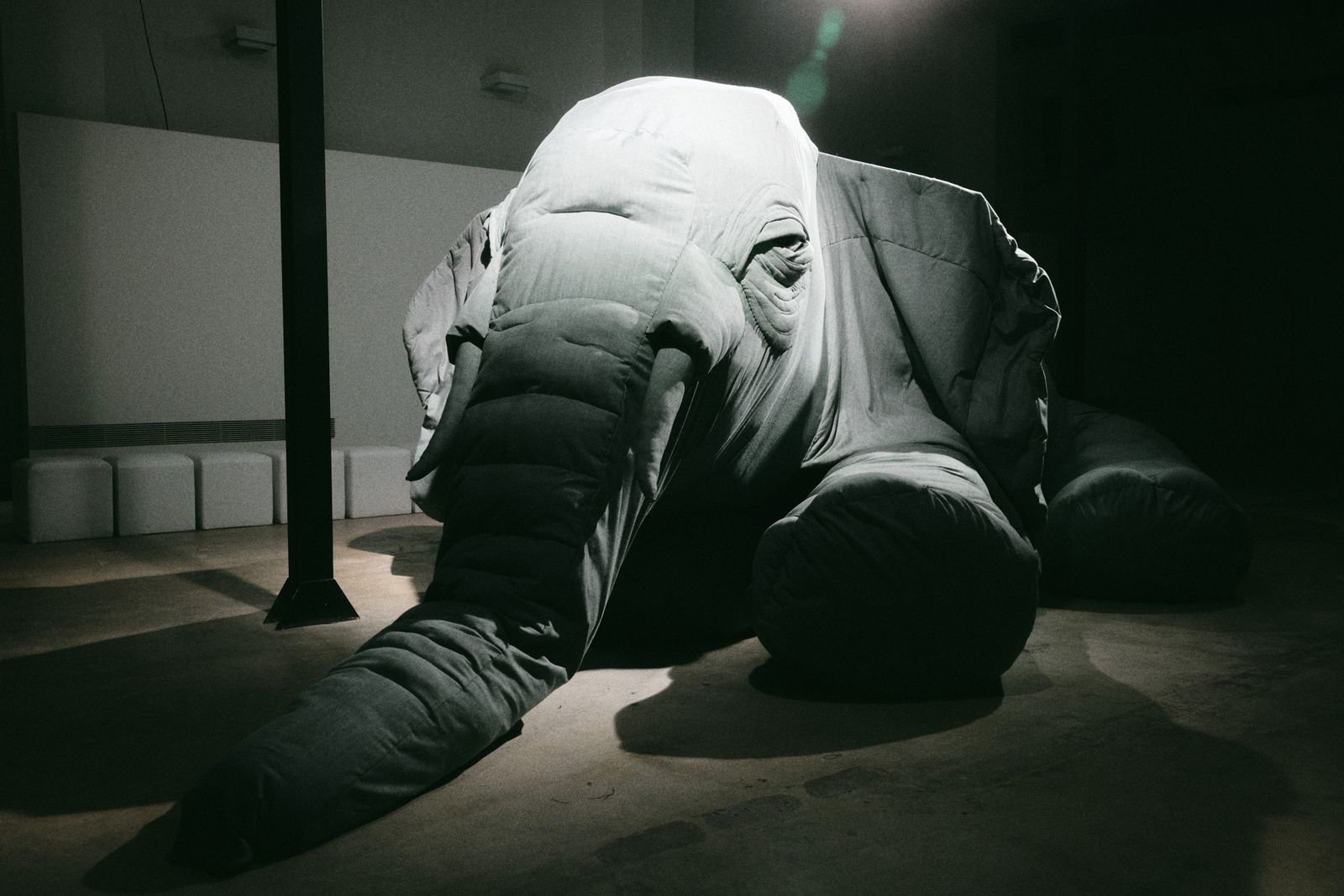
Moncler’s octopus isn’t the only blow-up animal that’s been glimpsed in Milan recently. In February, Giglio Tigrato’s debut fashion show, The Elephant in the Room, starred a giant squishy elephant that resembled a stuffed toy: created by artist Stella Stone, its slightly deflated fabric “skin” was a substitute for clothing. None of the latter was displayed – instead, the show was given over to an offline performance designed to critique the waste and overproduction rife in the fashion industry.
Oversized proportions are a recurring theme of the new inflatables. Barcelona gallery VASTO’s travelling installations with Naked Space for Nike Air Lab – shown at Milan Design Week and 3 Days of Design in Copenhagen – featured the Resting Field sofa, a huge “pneumatic field” informed by the “clustered geometry and internal air-flow logic of Nike Air Liquid Max”. Its interconnected cells formed a continuous, irregular surface, with subtle variations in height and localised depressions that registered the bodies of sitters over time.
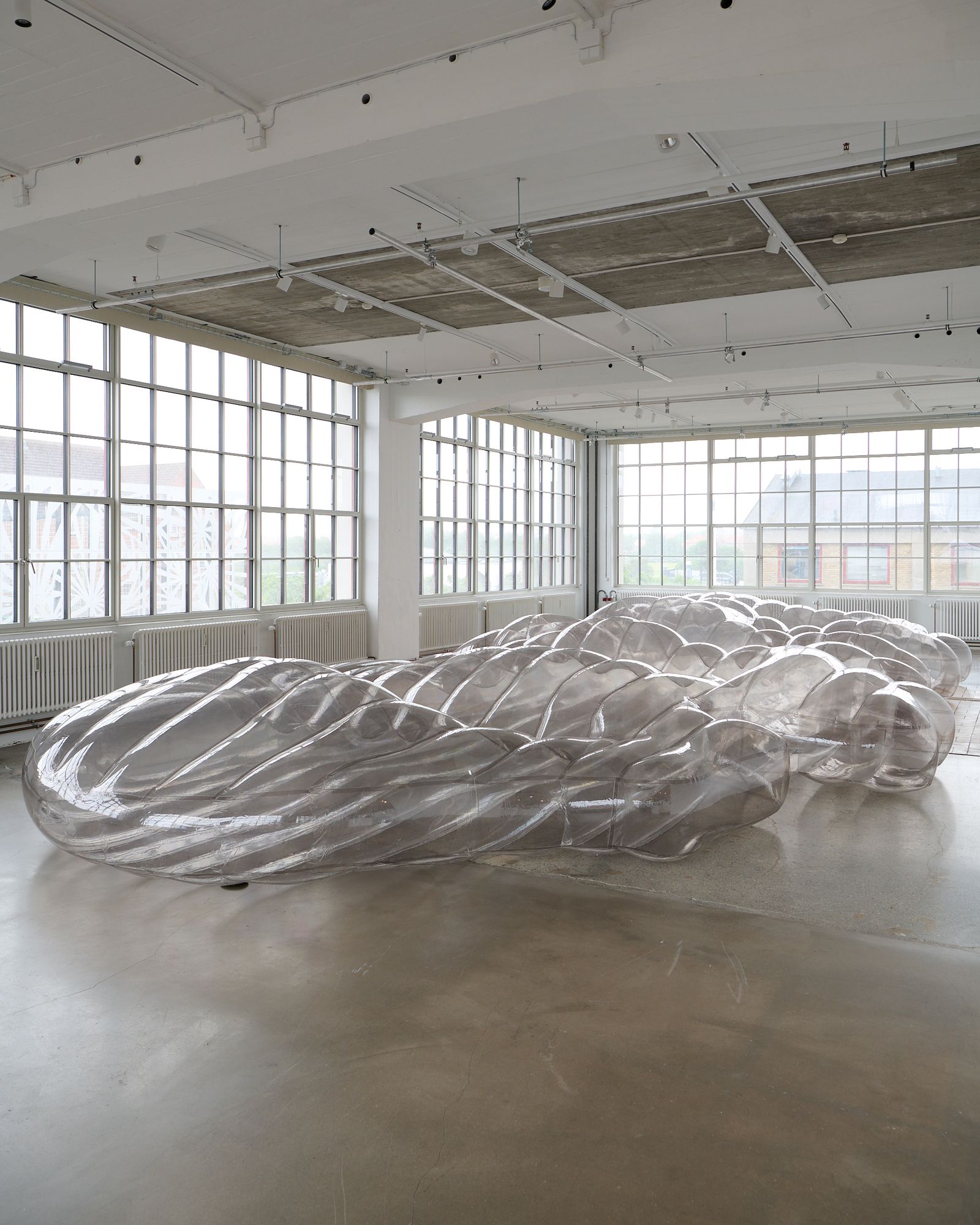
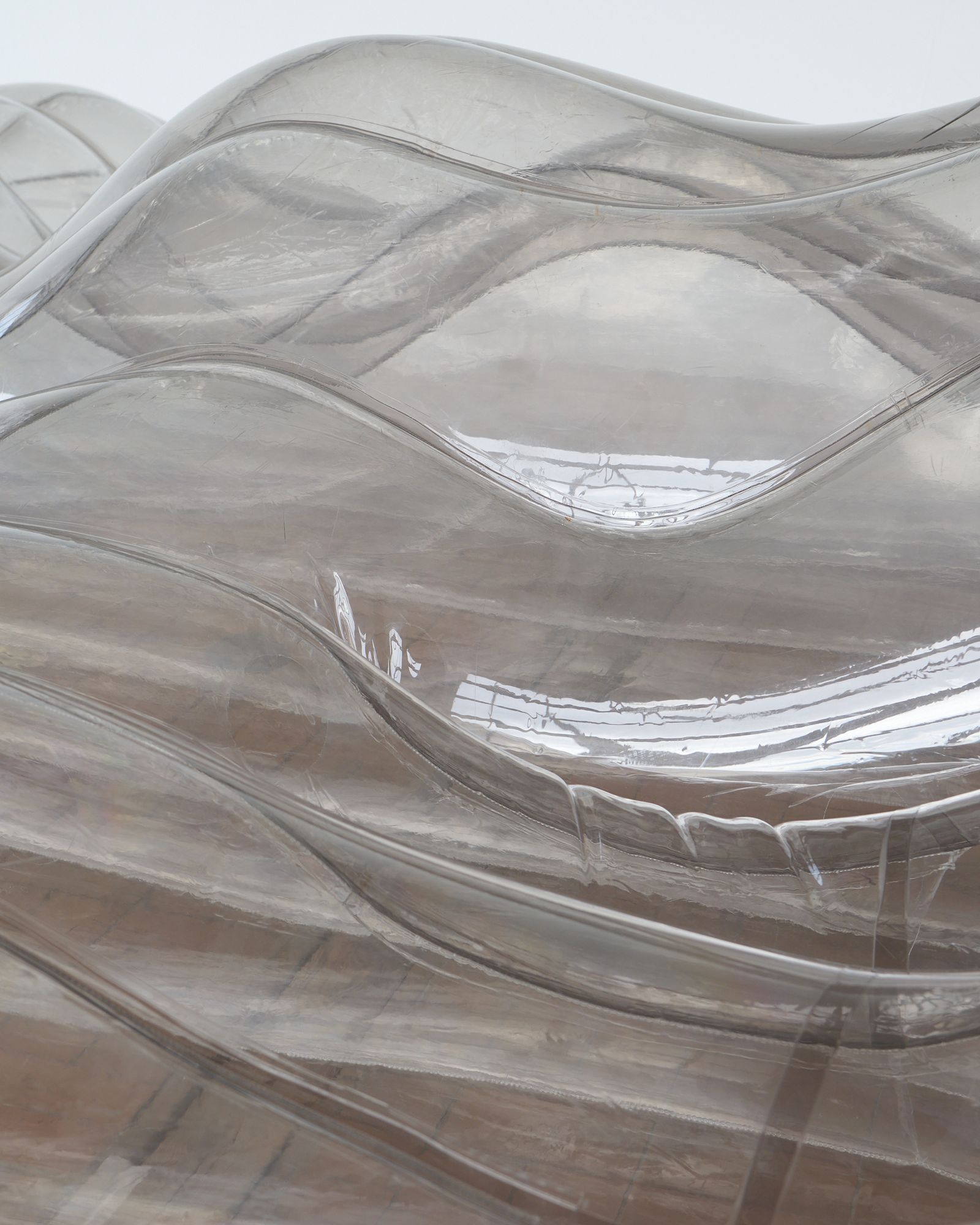
VASTO sees “inflatable architecture” as a tool for reimagining how people relate to space, explains founder Carmen Riestra. “Built from air, these structures challenge ideas of permanence and create environments that are inherently adaptable, accessible and collective,” she says. “We were interested in blurring the boundaries between design, architecture and public experience, creating a setting that evolves through use and participation. At a time when flexibility and new forms of gathering are increasingly important, inflatable structures offer an alternative model – one that embraces change, interaction, and the temporary as a source of possibility.”
.jpg)
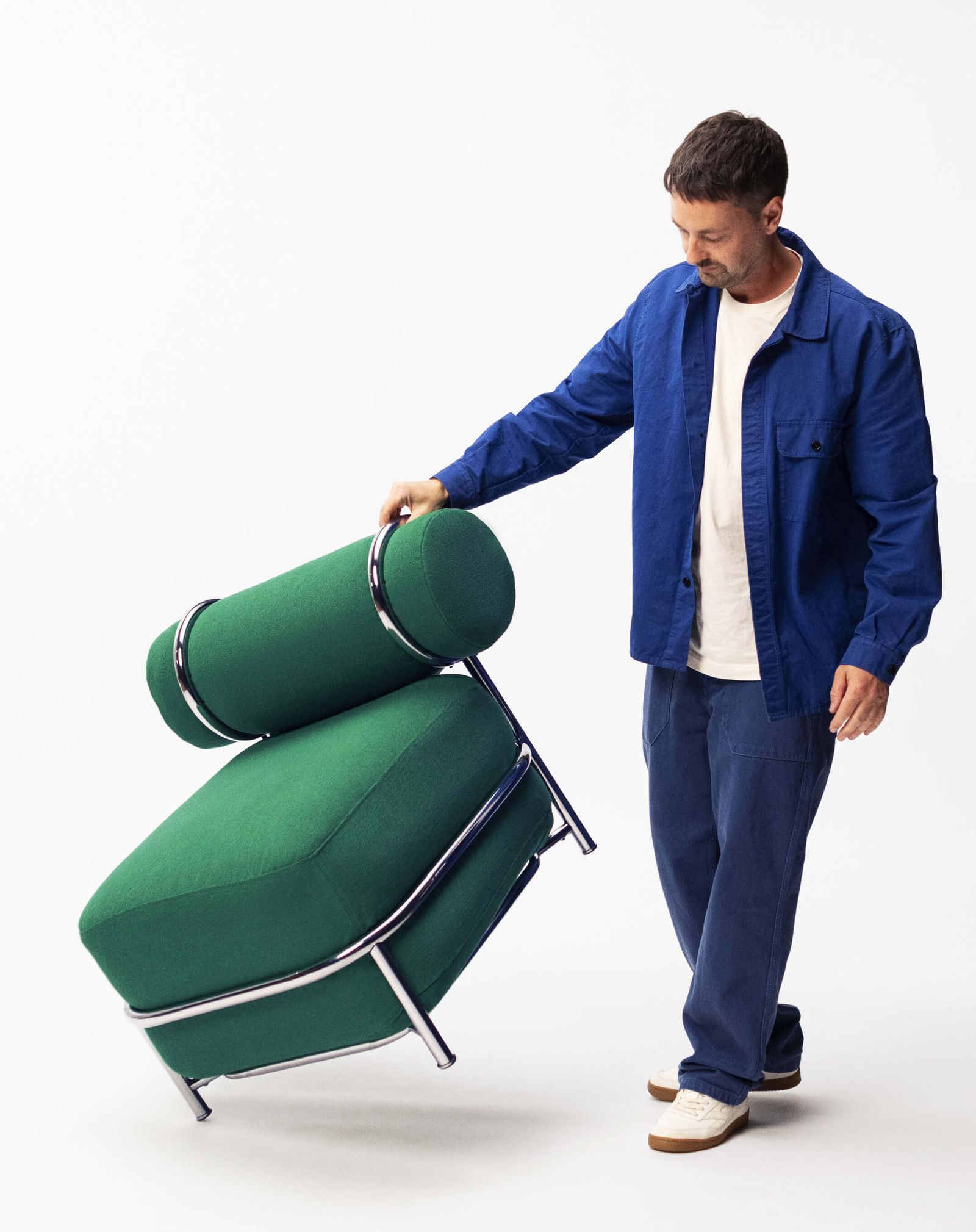
If the temporary, portable nature of inflatables is key to their appeal in the public sphere, might the same apply to domestic furniture? IKEA has already jumped on the trend with the launch of its PS Inflatable Chair, whose air-filled cushions are covered in a green fabric that eliminates the “squeak” factor associated with much inflatable furniture. For its designer, Mikael Axelsson, this typology is a symbol of accessibility. “IKEA is all about democratising design, and in that way, air is the perfect material to work with. It’s free, and everyone has access to it,” he says. He also points to the environmental upsides of blow-up design, which requires “minimal packaging and overall raw material use”.
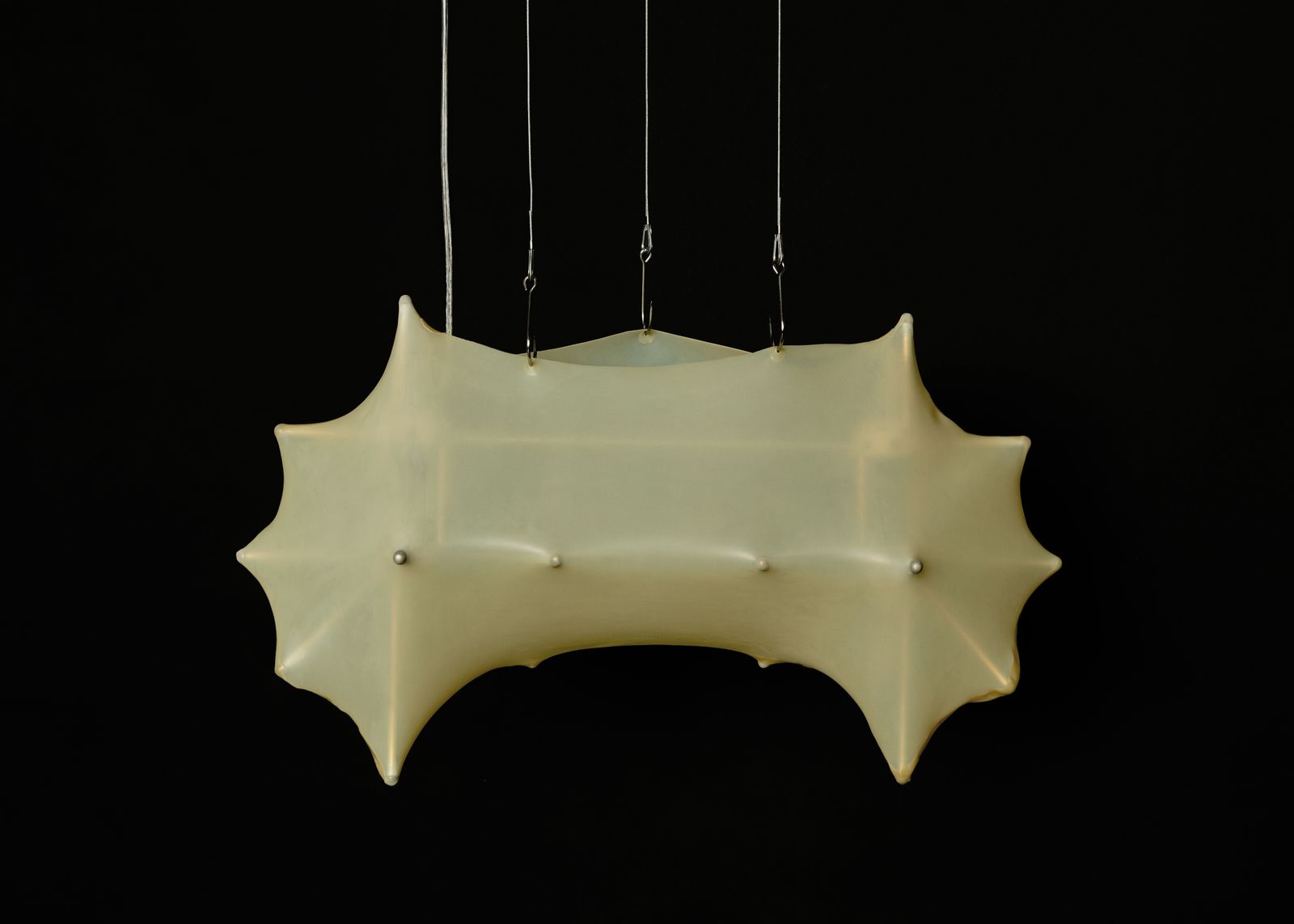
Inflatables also acquire a sustainable angle in the form of Brooklyn outfit Studio S II’s Subdermal lighting collection, which is made of latex – a naturally biodegradable alternative to plastic – stretched over aluminium and stainless-steel hooks. “The transparency of latex gives it a skin-like quality, diffusing light in a way that feels intimate and atmospheric,” says founder Erica Sellers. “Its stretch, its limits, and the way it resists and then yields… Pushing those boundaries in this material context is profoundly seductive, and I wanted to see how far it could go.”
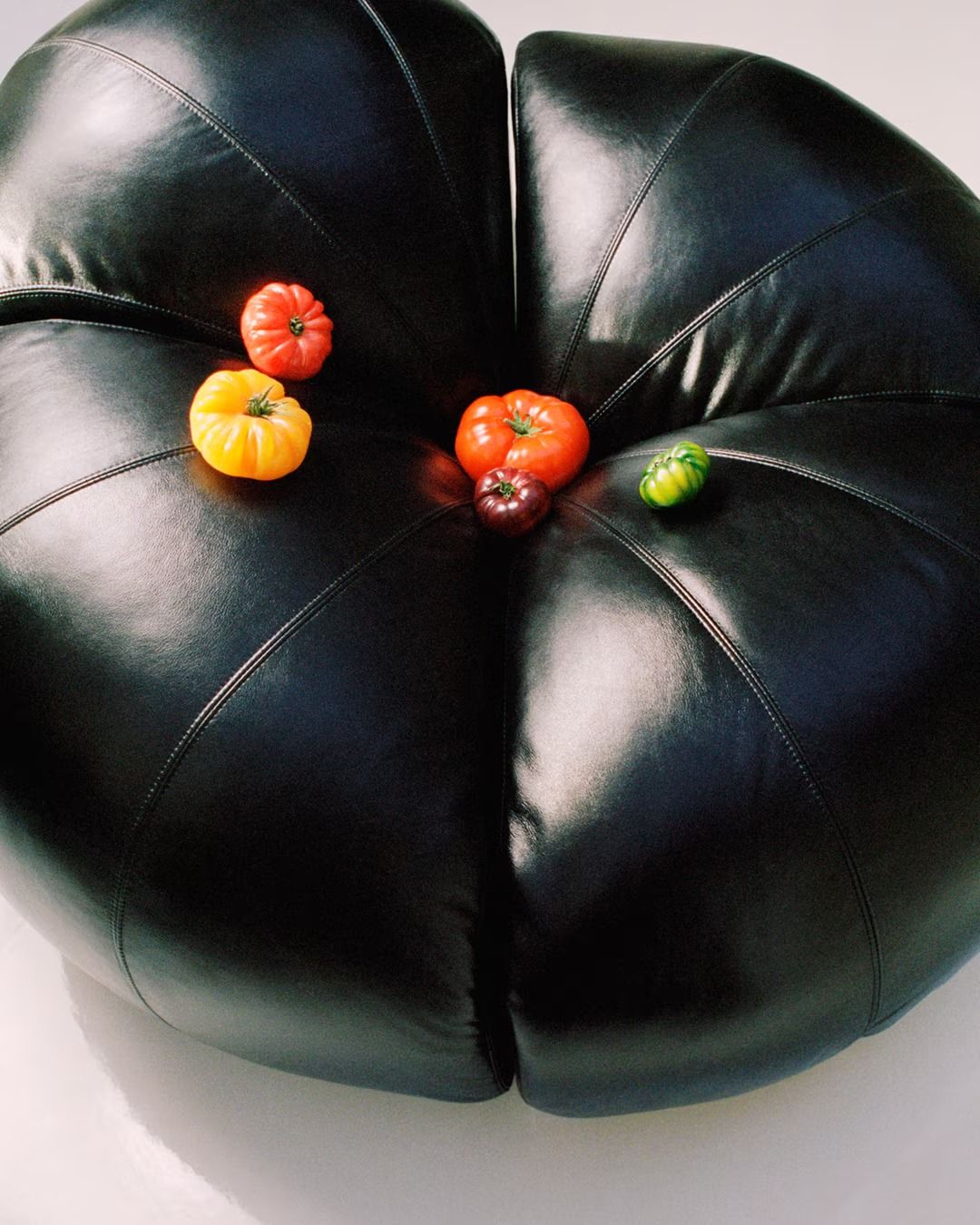
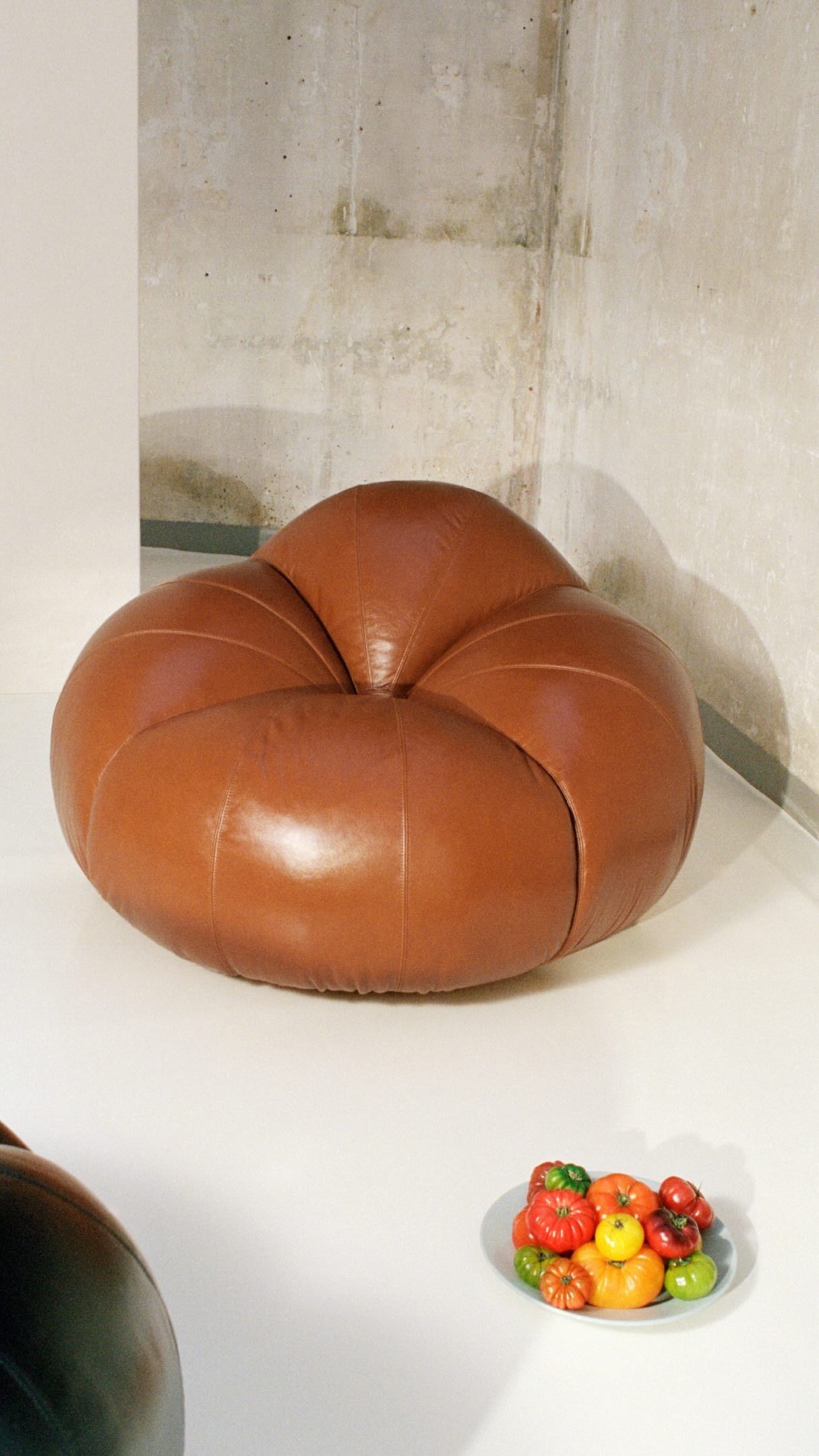
The voluptuous allure of blow-up design that Sellers intuits is key to the trend: it’s the antithesis of the Ozempic aesthetic. Take Chloé’s recent revival of the bouncy Tomato chair, an iconic piece created by French designer Christian Adam for Poltronova in 1970. It proposes “a new relationship between body and object; soft, generous and instinctive”. Covered in leather and made to order, the re-edition overseen by Chloé’s creative director Chemena Kamali has a natural affinity with the fashion house’s new sensibility, says a spokesperson, “affirming a language of softness, fluidity, and ease”.

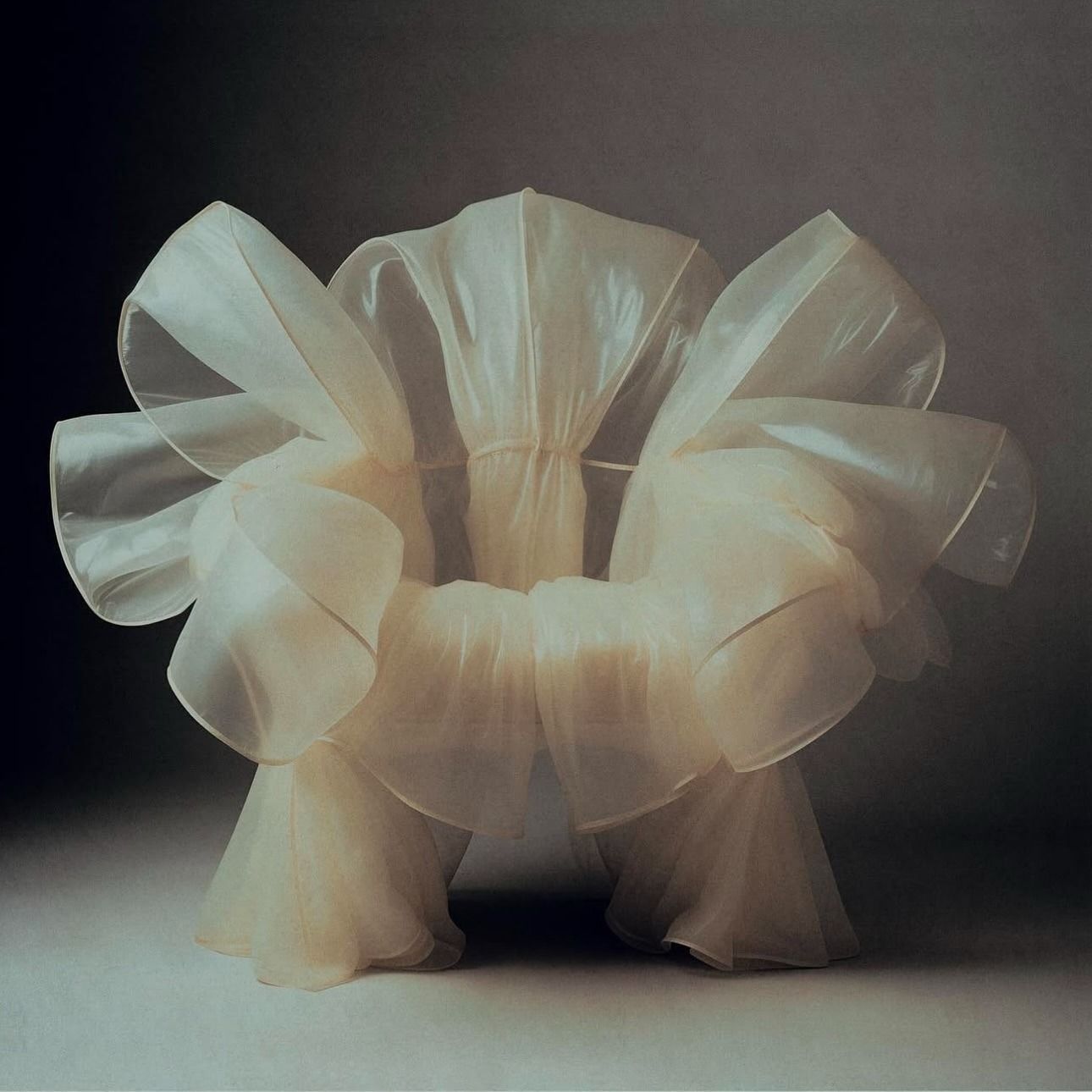
Similarly pillowy are New York designer Ziyu He’s latex Tremella chair, inspired by the snow mushroom, and Studio Roderick Vos’s prototype Wrinkle sofa, which reverses the convention of upholstery being applied on top of a structured frame. Here, the shape of the cover itself gives the design its character and expression. “The rich tactility of thick leather becomes an active part of the design, interacting with the form and revealing natural qualities such as stretching, folding and wrinkling,” say designers Roderick and Claire Vos, who lead the Dutch studio. “The result is a sofa where material and shape evolve together, creating a more honest, tactile aesthetic.”
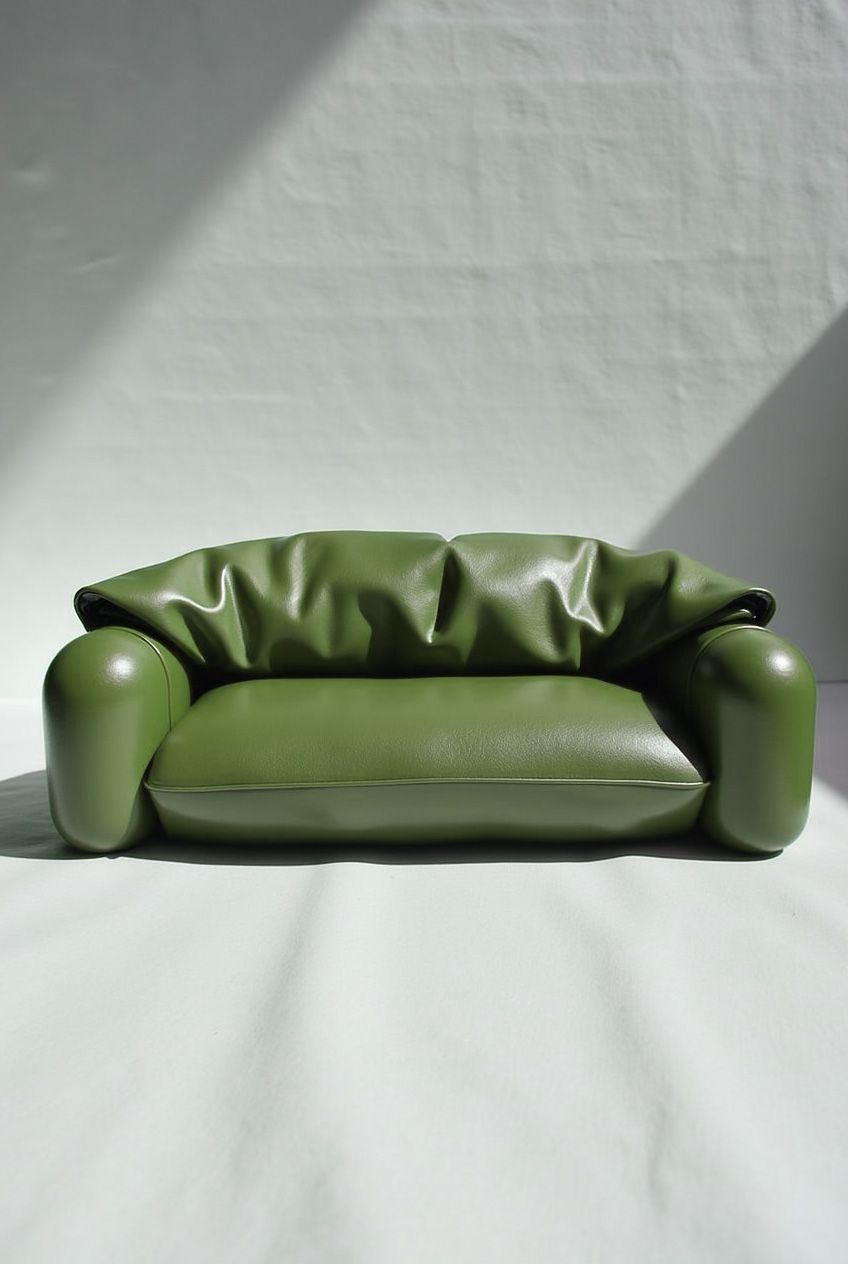
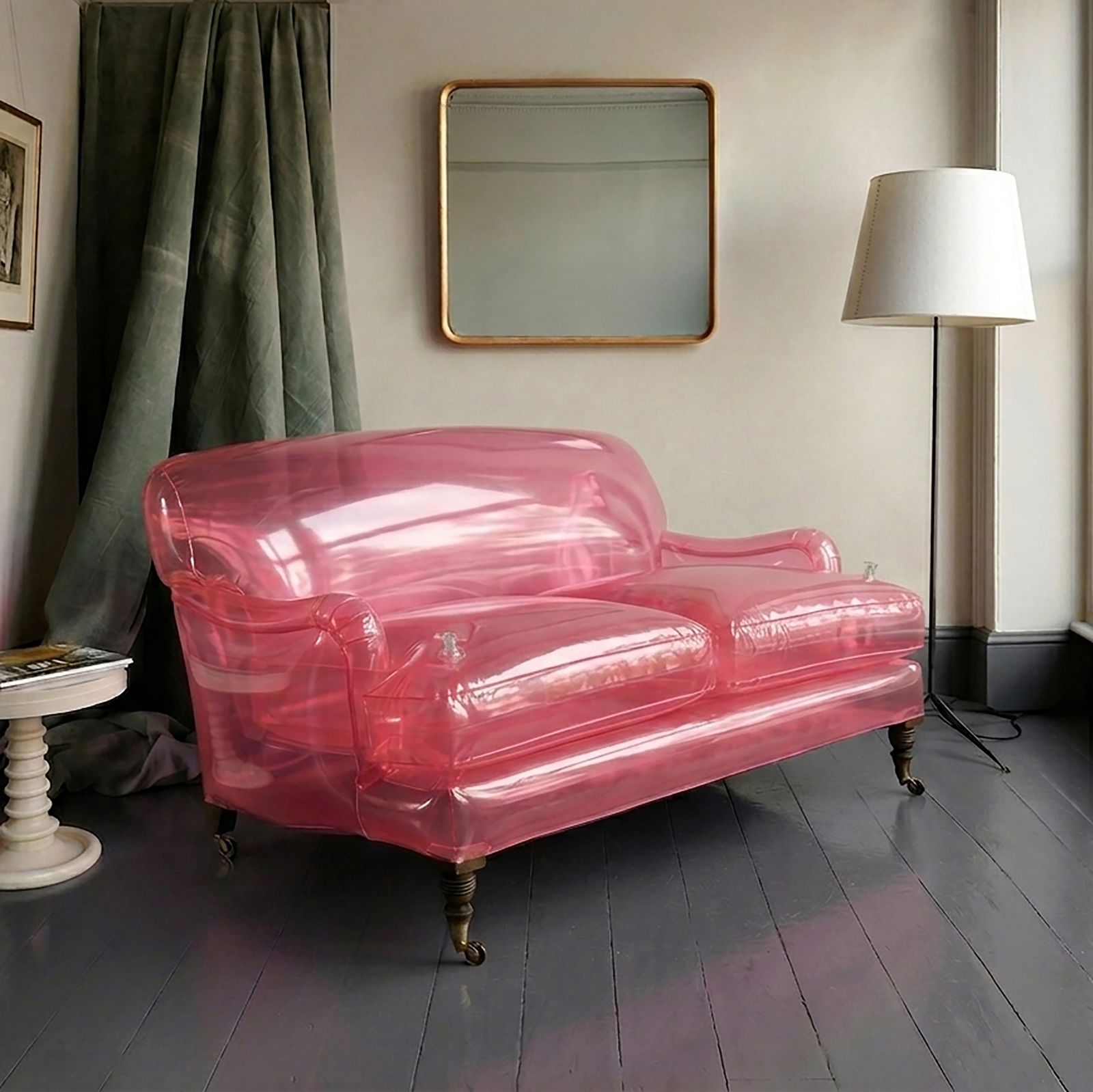
The Wrinkle sofa is one example of how inflatable design can be broadened – or subverted - to embrace fine craftsmanship. In essence, though, it’s a playful concept – and sometimes, whimsy is all we want. British furniture label Howe London makes its pieces by hand, but when it posted an AI image of its classic Labrador sofa, reimagined in pink inflatable plastic, on its Instagram page, the reaction was instant. The post was a cheeky nod to April Fool’s Day, but it struck a chord with followers. “With sustainability finally dominating industry conversations, and shipping efficiencies becoming an increasingly serious consideration, April 1 felt like the perfect moment to take one of our larger-than-life characters and make light of it,” says co-creative director Holly Howe. “Judging by the reaction, I think this year in particular, we all needed to see a shocking-pink inflatable sofa. I didn’t expect quite so many people to actually want to order one!” A sign of the times indeed.